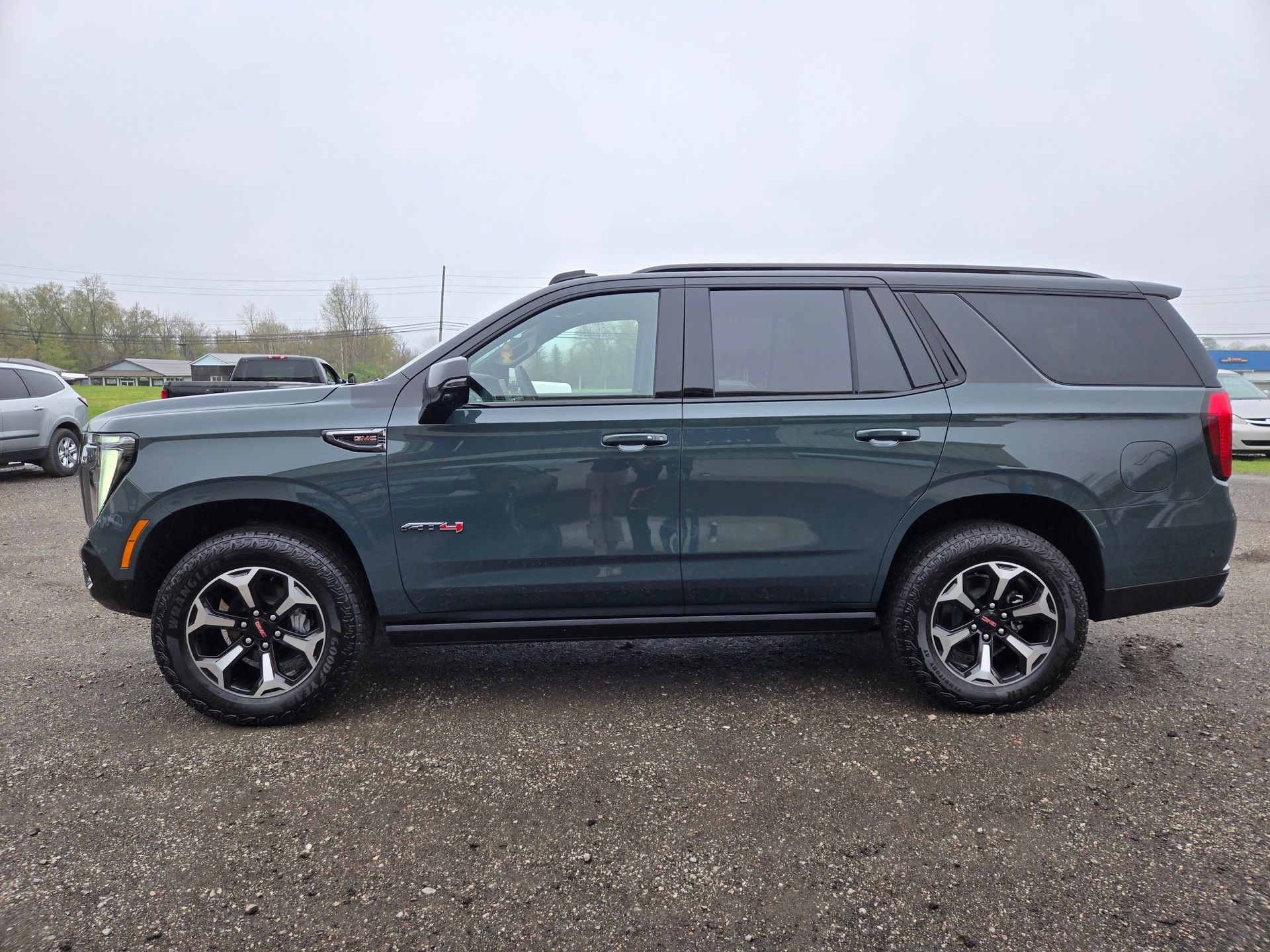
Ceramic Coating: Year-Round Weather Shield for Ultimate Car Protection
Ceramic coatings absolutely provide year-round protection for your vehicle. Acting as a semi-permanent shield, they guard against harmful environmental elements such as UV rays, acid rain, and bird droppings. By doing this, they retain the fresh, pristine look of your car's paint even after long drives and parking under the blistering sun or freezing snow. Imagine your car looking new and shining, regardless of the changing seasons.
Ceramic coating provides exceptional year-round protection against environmental elements, including UV rays, rain, snow, and road salts. Its durable and hydrophobic properties make it an ideal solution for preserving the exterior of vehicles in all weather conditions.
Ceramic Coating Benefits
So, why should you consider applying a ceramic coating to your vehicle? Well, buckle up, because there are quite a few fantastic benefits that might just convince you.
- Long-Lasting Protection: Ceramic coatings don't just provide a temporary shield for your car; they create a durable, semi-permanent layer of protection that shields the paint from various environmental stressors. This protection encompasses the damaging effects of UV rays that fade and dull paint over time, as well as acidic contaminants like acid rain or bird droppings, which can etch and corrode the surface. By forming this robust barrier, ceramic coatings help maintain the pristine condition of your car's paint for an extended period of time.
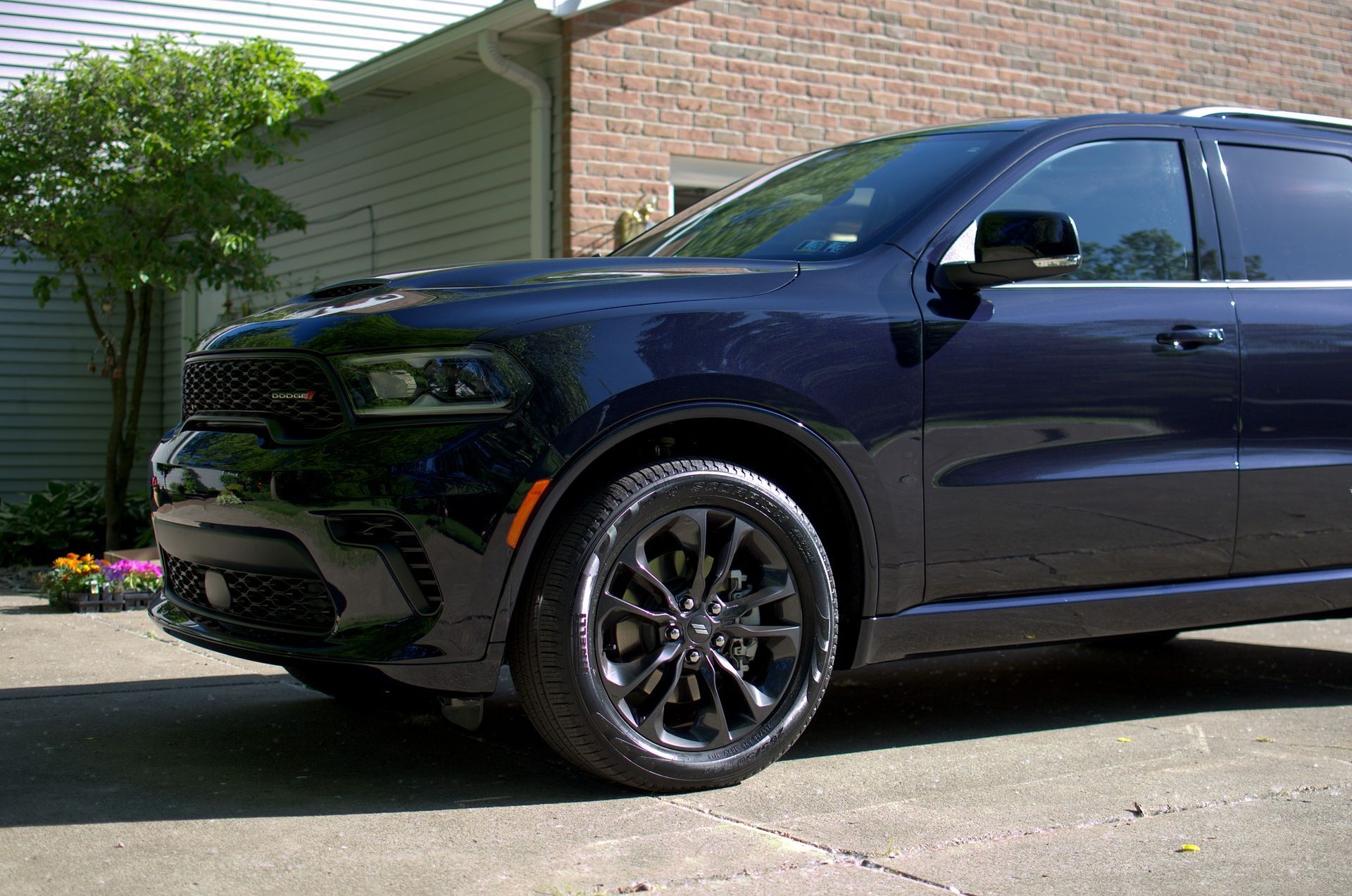
- Enhanced Gloss and Shine: Imagine your car catching everyone's eye with its brilliant shine and vibrant colors. That's precisely what a ceramic coating offers. By creating a glossy, reflective surface, the ceramic coating enhances the visual appeal of your vehicle as it glistens under the sun's rays. It's like giving your car a radiant, rejuvenating makeover that lasts.
- Hydrophobic Properties: Here's where things get really interesting. Ceramic coatings make your car's surface hydrophobic, meaning it actively repels water. This is particularly handy during rainy seasons or when you encounter moisture regularly. It not only makes cleaning easier by allowing water to slide off effortlessly but also reduces the chances of water spots forming on your car's exterior. It's like having an invisible forcefield guarding your precious paint job from pesky water damage.
The best part? These benefits work together harmoniously to elevate your overall driving experience by keeping your car looking fantastic regardless of the weather or environmental elements it encounters on the road.

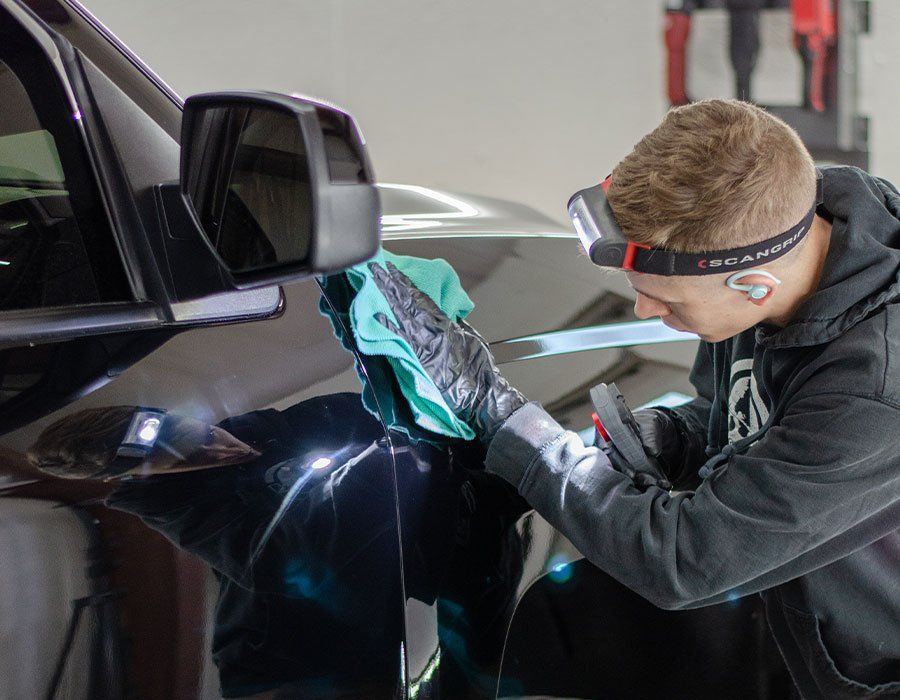
Year-Round Weather Performance
When you step outdoors on a bright, sunny day, your car is also being soaked in sunlight. Just as we apply sunscreen to protect our skin, your car benefits from a defense shield in the form of a ceramic coating. This protective layer guards against UV rays, reducing the risk of paint fading and oxidation due to prolonged exposure to the sun. In essence, it preserves the vibrant color and glossy finish of your car for a longer period of time.
- UV Resistance: This level of protection is particularly valuable considering the financial investment in your vehicle’s paint job. Without this shield, the sun’s ultraviolet rays can cause damage by breaking down the chemical bonds in the paint, leading to unsightly faded patches. The ceramic coating forms a barrier against this relentless assault, maintaining the appearance of your vehicle and preserving its value over time.
- Thermal Resistance: During scorching hot days, the sunshine can be intense for both us and our vehicles. High temperatures can lead to an increase in the surface temperature of the car, impacting both the exterior and interior. Here, ceramic coatings play a pivotal role by helping the car maintain a cooler temperature during hot weather, reducing the risk of heat-related damage to the paint and exterior surfaces. Imagine parking your car outside for hours in intense heat without a ceramic coating. The paint would absorb and retain heat, making it more susceptible to premature deterioration. However, with the ceramic coating’s thermal resistance properties, you're safeguarding your vehicle against these adverse effects, contributing not only to aesthetic appeal but also to overall longevity and value retention.
- Winter Resilience: Now shifting focus to colder climates, when winter sets in, road salts, snow, and ice pose significant challenges to your vehicle's exterior. These elements not only create an unattractive appearance but also pose a real threat of corrosion and paint damage if left unchecked. It's almost like bracing your vehicle for battle against harsh winter conditions. Just as armor protects a soldier from harm, ceramic coatings act as a barrier against these damaging elements. By minimizing exposure to road salts and other corrosive compounds present during the winter, the coating significantly reduces the risk of paint damage and corrosion.
In summary, ceramic coatings provide comprehensive protection for your vehicle throughout the year, shielding it from harmful UV radiation, maintaining cooler temperatures during hot weather, and creating a barrier against detrimental winter conditions. The all-weather toughness of ceramic coatings lays a solid foundation for their application and durability on vehicles.
Application and Durability
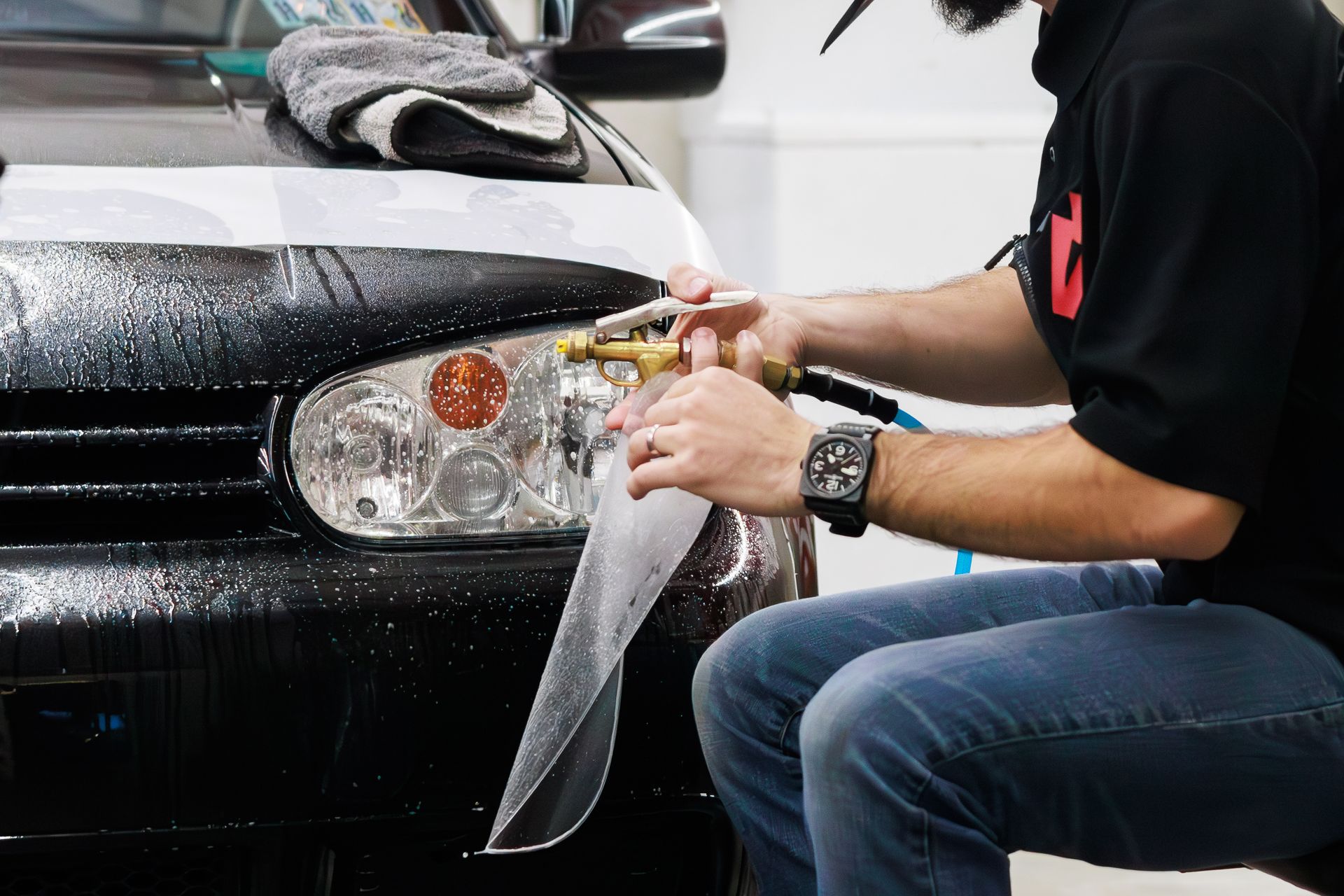
When it comes to applying ceramic coatings, professional-grade products necessitate a meticulous process to ensure optimal results. Certified detailers and ceramic coating experts are trained to carry out multi-step procedures, including a crucial step called paint correction. Paint correction involves leveling out any imperfections on the vehicle's surface, such as swirl marks, scratches, and hazing. This is achieved using abrasive compounds and polishing techniques. By removing these imperfections, professional detailers create a smooth and flawless surface for the ceramic coating to bond with. The precise application process is critical to ensuring the durability and effectiveness of the coating. Without proper paint correction and surface preparation, the ceramic coating won't be as effective in providing long-term protection for your vehicle.
Comparing Ceramic Coating to Alternatives
When it comes to safeguarding your car's exterior, the market presents a variety of options, from traditional car waxes to paint sealants. Understanding the key differences between these products is crucial to making an informed decision about your vehicle.
Better Durability: Ceramic coatings offer a level of durability that far surpasses what traditional wax or sealant applications can provide. Traditional car waxes often contain natural waxes like carnauba or synthetic polymers in their formulas. While they offer a decent level of protection and gloss, they can wear off relatively quickly due to exposure to environmental factors like UV rays and harsh weather conditions. On the other hand, ceramic coatings, which are mostly made of silicon, silicon dioxide, or other forms of silicates (Sio2), keep water away from the surface of the vehicle. This makes them highly resistant to environmental contaminants, ensuring a longer-lasting protective shield for your car.
Longevity: While wax and sealants typically last for a few months at best, ceramic coatings offer an extended lifespan, providing remarkable protection over a significantly longer period of time. Ceramic coatings outshine traditional waxes and sealants in terms of durability, with many top-quality ceramic coatings boasting an unsurpassed durability of 5–10 years. The advanced chemical composition of ceramic coatings contributes to their exceptional longevity and high flexibility, making them resilient against daily wear and tear, UV exposure, and environmental contaminants. This means fewer applications and touch-ups, ultimately saving time and effort while delivering long-term protection for your vehicle's paintwork.
In essence, ceramic coatings certainly take the lead when it comes to lasting protection and defense against environmental elements compared to traditional waxes and sealants. But there are additional aspects where ceramic coatings stand out that deserve exploration.
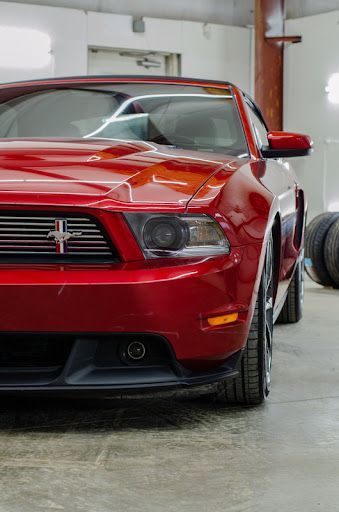
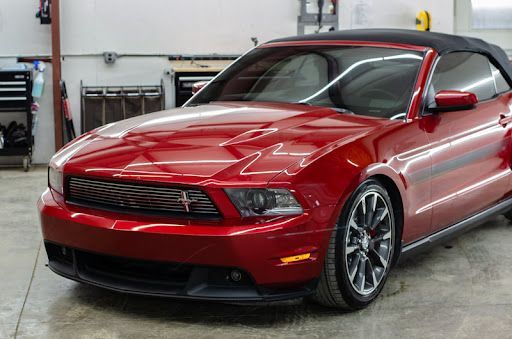
Maintenance Tips for Ceramic Coating
Now, let's ensure it stays in top condition with regular upkeep to preserve its effectiveness. Here are some key maintenance tips that will help you keep your ceramic-coated car looking pristine.
Regular Washing
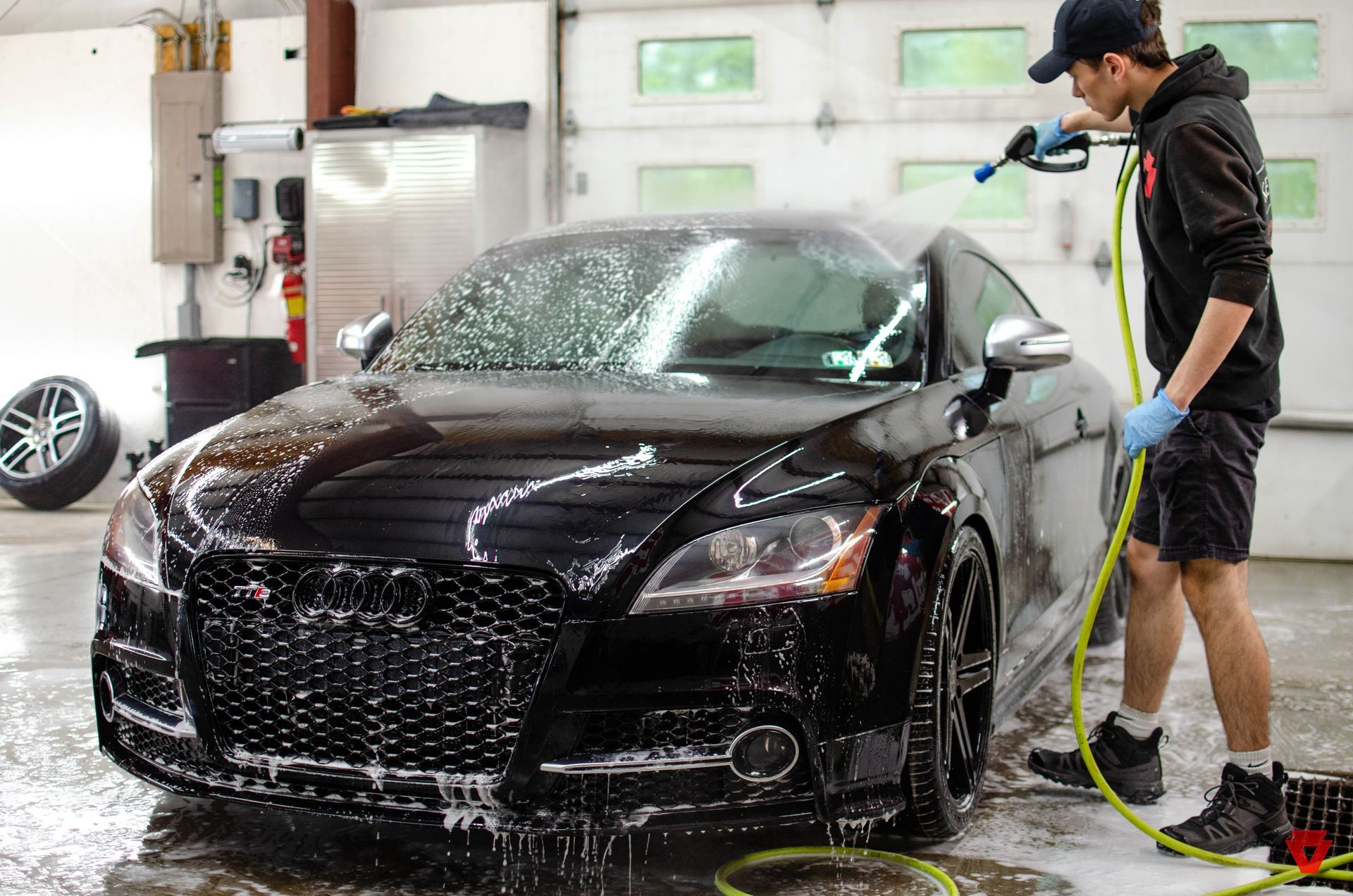
One of the benefits of a ceramic coating is its ability to reduce the frequency of washing. However, periodic maintenance washes are still essential to remove light bonding debris and maintain the hydrophobic properties of the coating. The hydrophobic nature allows water to bead up and roll off the surface, preventing dirt and grime from adhering as strongly. By regularly washing your car, you can extend the lifespan of the coating and ensure your car maintains its glossy appearance.
To preserve the integrity of the ceramic coating, using pH-neutral soaps during the washing process is crucial. These soaps are gentle on the coating and prevent any damage that harsher detergents might cause. The use of microfiber wash mitts also plays a significant role in maintaining the coating, as they are soft and non-abrasive, minimizing potential scratching or swirling on the coated surface. It's important to adopt the two-bucket wash method—using one bucket for clean, soapy water and another for rinsing—to further protect the coating from unnecessary damage during cleaning.
Correct Cleaning Methods
When cleaning your car with a ceramic coating, you must avoid abrasive materials or harsh chemicals that could degrade the protective layer over time. Instead, opt for cleaning products specifically designed for use on ceramic-coated surfaces. These products are formulated to be gentle yet effective, ensuring that they clean without compromising the integrity of the coating. By using these specialized products, you can maintain the shine and protection that the ceramic coating provides. Imagine treating your car's ceramic coating like delicate skin—you wouldn't want to use anything harsh that could cause damage or irritation. Instead, you'd choose products that are gentle and nourishing. The same principle applies when maintaining a ceramic-coated car; choose cleaning products that are specifically tailored to nurture and prolong the life of the protective layer.
By following these maintenance tips and being mindful of how you care for your coated car, you'll be able to preserve its aesthetic appeal while reaping the long-term benefits of enhanced durability and protection from environmental elements. It's all about striking that balance between thorough care and gentle treatment—a small effort now will make a big difference in the long run.
Cost Analysis: Ceramic Coating vs. Other Protection Options
When it comes to safeguarding your car, various options exist, including traditional waxing and sealants. Yet, ceramic coatings stand out due to their long-term durability and top-notch protection. But is the initial investment worth it? Let's closely examine the cost factors involved in choosing ceramic coating over other alternatives.
Firstly, let's address the upfront cost. Ceramic coatings generally involve a higher initial price compared to traditional waxing or sealant applications. The installation process and product quality contribute to this higher cost. However, it’s crucial to consider the long-term benefits before solely focusing on the initial expense. Some may argue that the higher initial cost of ceramic coatings makes them less affordable than traditional options. However, when you factor in their longevity and durable nature, the larger upfront investment can actually lead to considerable savings in the long run. This is particularly evident when considering the reduced need for frequent reapplication.
Let’s delve further. With traditional waxing or sealants, regular reapplication is necessary to maintain protection levels, leading to additional expenses on products and labor for repeated application. In contrast, ceramic coatings provide long-lasting protection, eliminating the need for frequent reapplications and saving you money in the long term. For instance, imagine having to wax your car every few months over a period of years. The combined cost of purchasing wax products and spending on labor adds up significantly. On the other hand, opting for a ceramic coating means a one-time investment with long-term protective benefits, reducing overall maintenance expenses.
Considering these factors, it becomes clear that, while ceramic coatings may have a higher initial cost, their long-lasting protection and reduced need for frequent reapplication make them a cost-effective choice for maintaining a vehicle's exterior. This means that, in terms of long-term value and overall protection levels, ceramic coatings prove to be an economically advantageous option for vehicle maintenance and care. The decision between ceramic coatings and traditional protection options ultimately hinges on considering both short-term costs and long-term benefits. By doing so, you ensure that you receive optimum value for your vehicle protection needs.
Quality Ceramic Coating Solutions in Erie, PA
Looking to enhance and protect your vehicle's exterior? Look no further than Keystone Detail, your go-to destination for top-notch ceramic coating solutions right here in
Erie, PA. Our team is dedicated to delivering nothing short of excellence, providing unparalleled protection against the elements while elevating the aesthetic appeal of your car. With our meticulous attention to detail and expertise in ceramic coating technology, we ensure your vehicle maintains its showroom shine for years to come. Don't settle for anything less than exemplary when it comes to protecting your investment. Take the first step towards long-lasting brilliance by scheduling your ceramic coating appointment with Keystone Detail today! Call us at
(814) 230-6991!