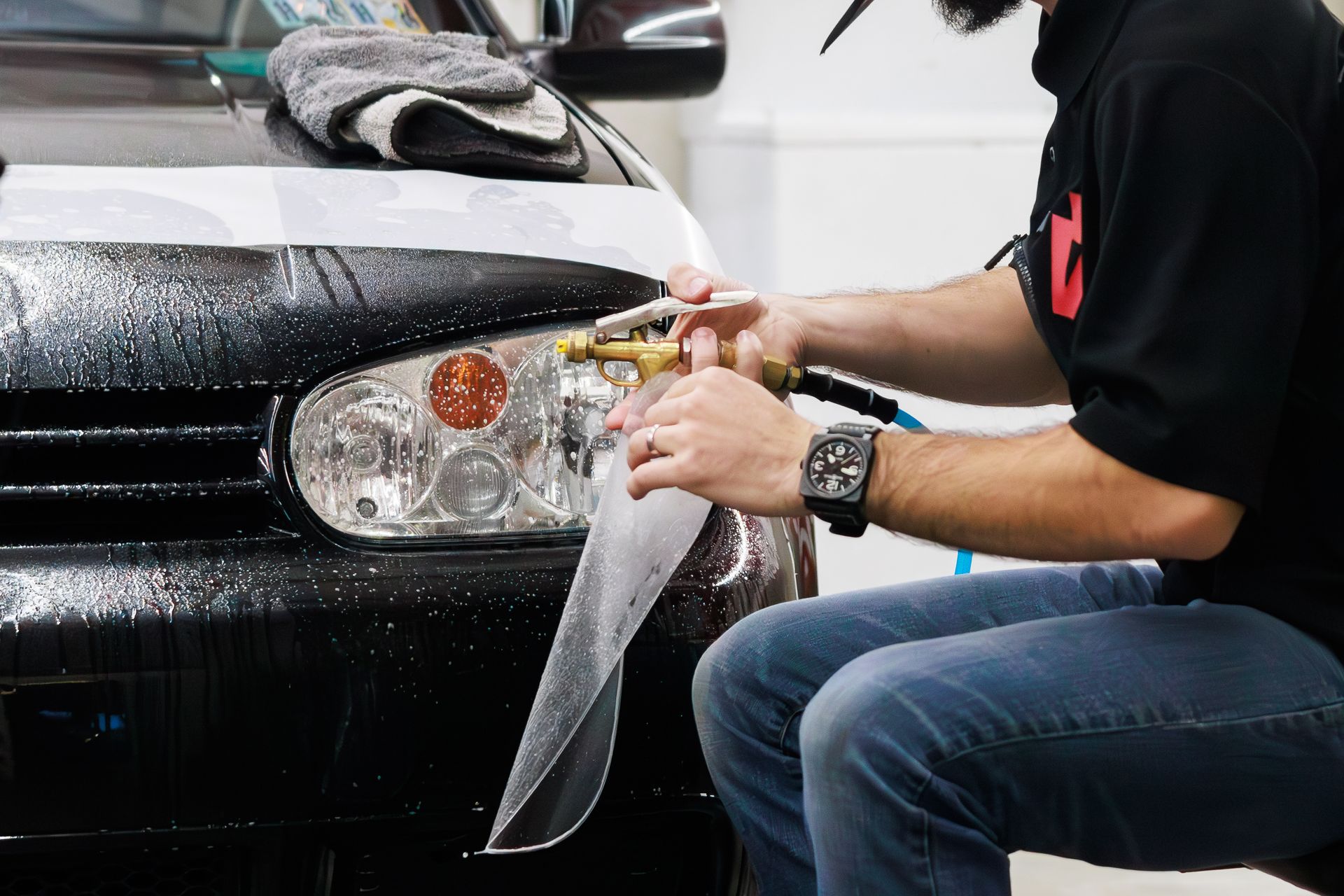
The Ultimate Guide to Caring for and Cleaning Paint Protection Film: Top Techniques and Tricks
The way you clean your car's paint protection film matters. Picking a gentle, pH-neutral soap specially made for paint protection film maintains its self-healing property. This soap removes dirt without hurting the film, just like the soft touch of microfiber mitts and towels is less likely to cause scratches. A twist that might surprise you is that not all cleaning products or cloths are the same. Having the right one in hand can make a big difference. We begin with choosing the right products.
To maintain your paint protection film, use a gentle pH-neutral car wash soap with a soft microfiber mitt to clean the film. Avoid abrasive cleaners, brushes, or sponges that can scratch the film. Additionally, consider applying a ceramic coating or paint sealant to provide further protection. Regular cleaning will help prevent dirt and contaminants from penetrating the film, thereby extending its longevity.
Choosing the Right Products for Car Paint Protection Film
Protecting your car's paint is crucial, especially if you've invested in a high-quality paint protection film. The right cleaning products can make all the difference in preserving the appearance and functionality of your PPF. When it comes to selecting gentle, pH-neutral car wash soaps designed explicitly for paint protection films, it's important to consider a few key factors.
First and foremost, prioritize pH-neutral car wash soaps tailored specifically for paint protection films. These soaps are formulated to effectively remove dirt and contaminants without compromising the self-healing properties of the film. By maintaining the pH balance, these gentle soaps prevent any potential damage to the protective layer, ensuring that it continues to perform optimally over time. Look for cleaning products that are specifically designed to be safe and effective on PPF. Many traditional car wash soaps contain harsh chemicals that can degrade the protective properties of your clear bra. By opting for products explicitly formulated for paint protection films, you can rest assured that you're providing your vehicle with the care it needs while safeguarding the longevity of the protective film.
Imagine using a soap that's too abrasive on your delicate paint protection film—it could compromise the film's self-healing capabilities and leave it vulnerable to damage from everyday environmental hazards such as road debris and UV rays. This could ultimately diminish the effectiveness of your investment in paint protection. In addition to selecting the right car wash soaps, choosing the appropriate tools for cleaning is equally essential to preserving your PPF.
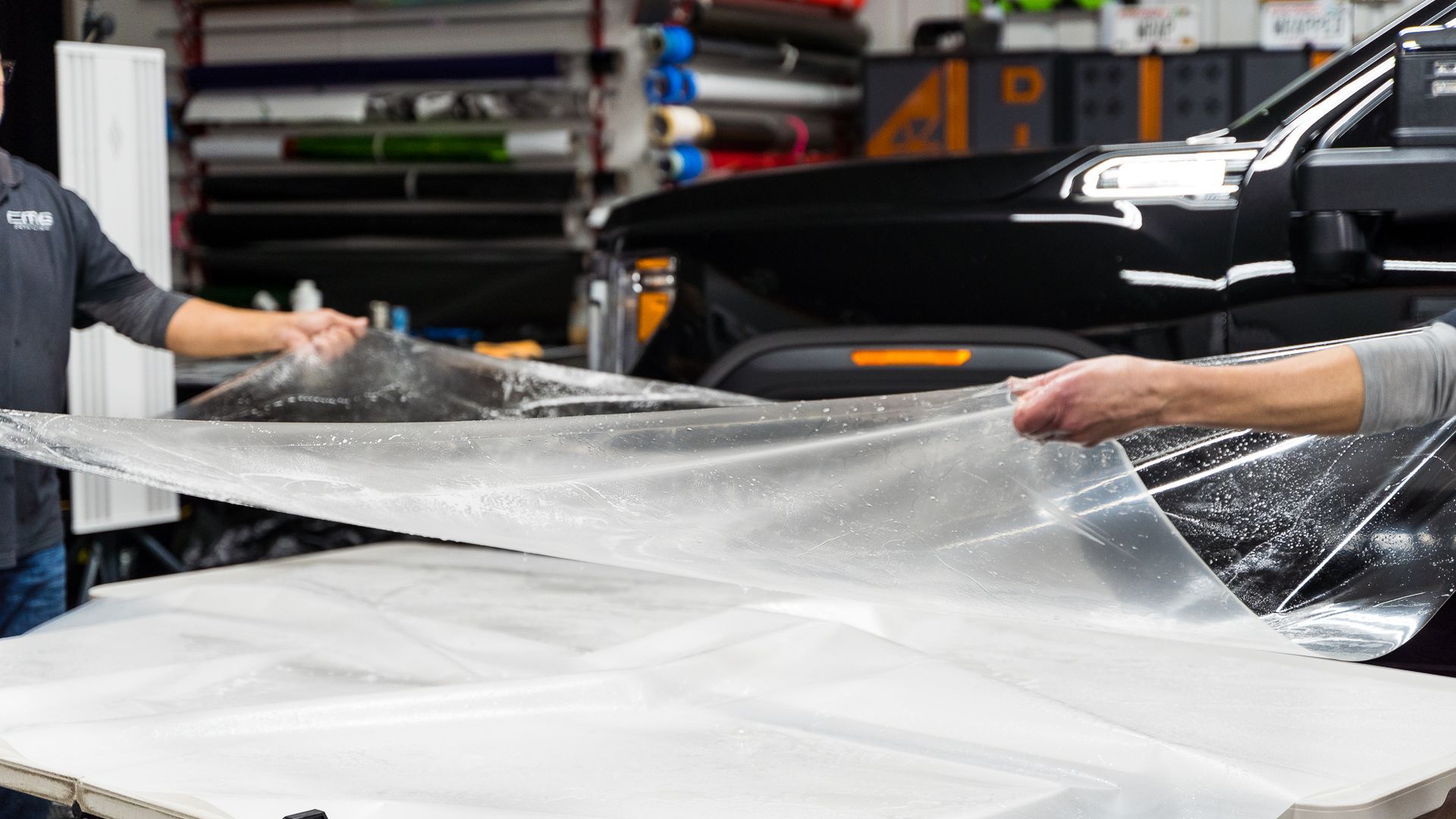
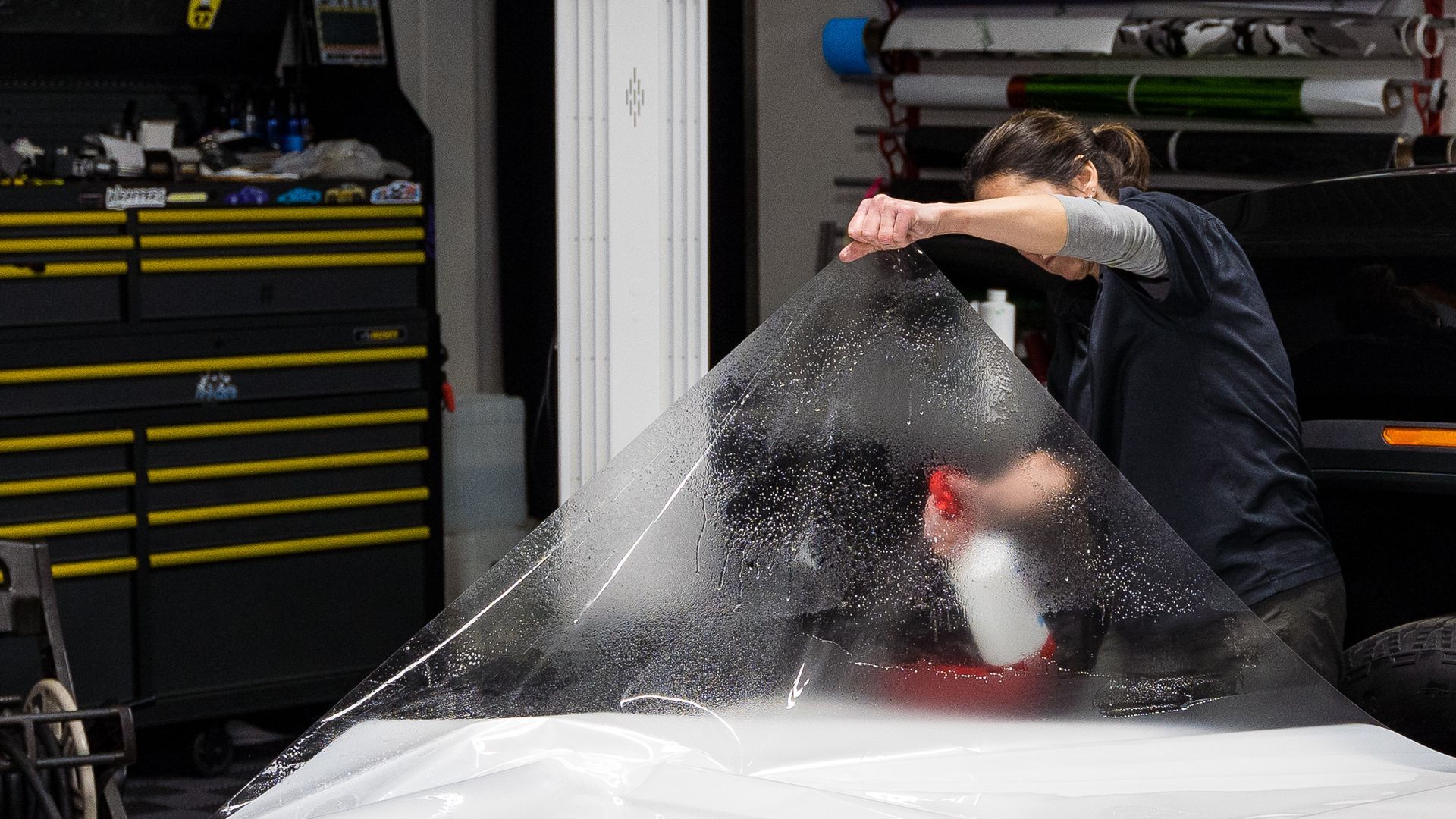
Car Washing Techniques for Film-Preserved Vehicles
Washing a car might seem straightforward, but when it comes to cars with paint protection film, you need to be more cautious about the techniques and tools you use to ensure the film's integrity. Here are some of the best practices for washing cars with PPF:
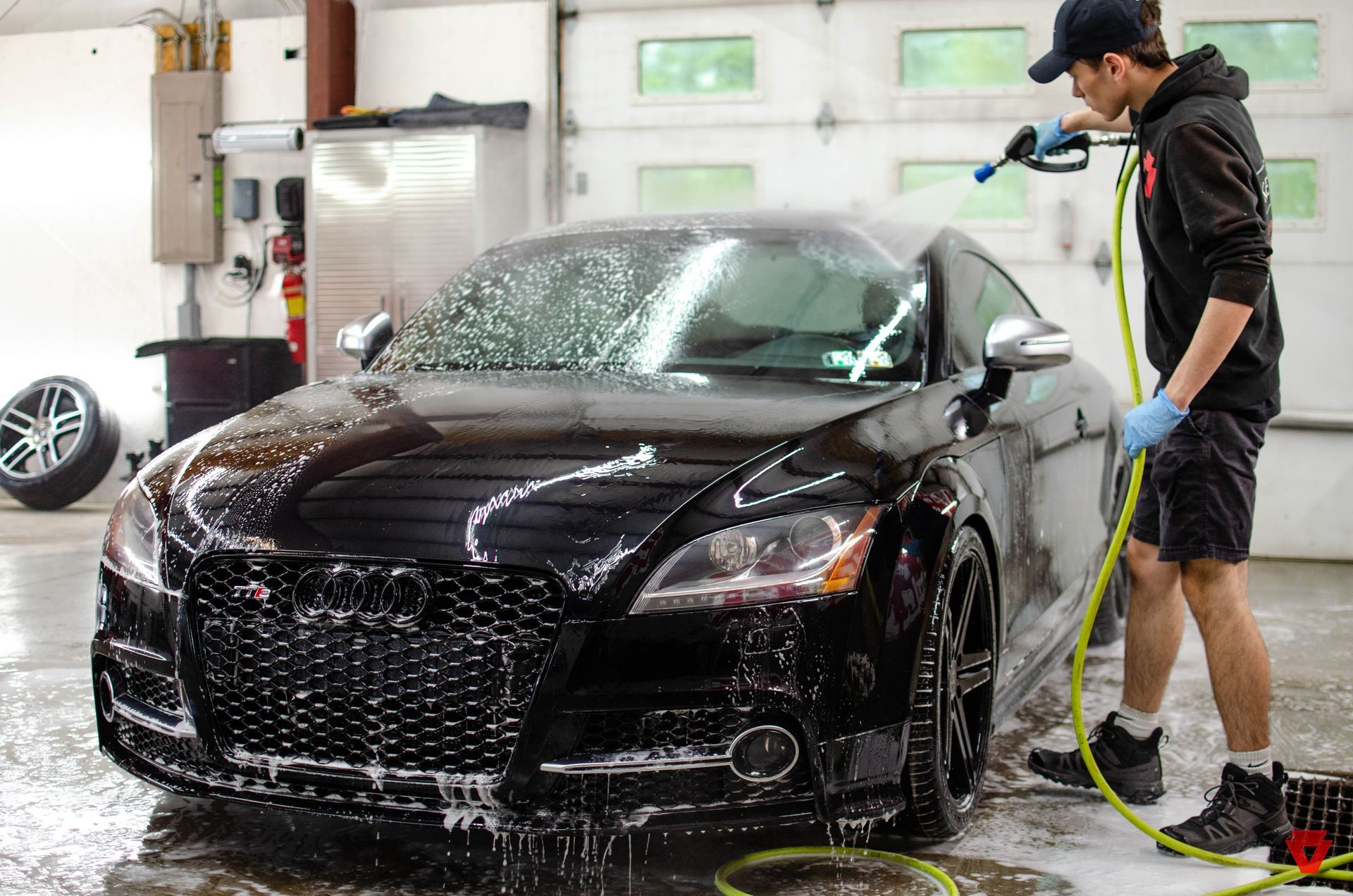
- Hand Washing: When it's time for a good wash, put away the power washer and opt for a classic hand wash using a clean microfiber mitt and a gentle car wash soap solution. This method ensures that no harsh chemicals or abrasive substances come into contact with the film, reducing the risk of damage. Hand washing takes more time and effort, especially compared to going through an automatic car wash or using a pressure washer, but it's worth it in the long run. The hands-on approach allows you to have better control over the cleaning process, ensuring gentle care for the PPF without compromising its protective properties.
- Two-Bucket Method: To maintain meticulous cleanliness while washing a car with a paint protection film, consider using the two-bucket method. This method ensures that dirt and grime are lifted off the surface and away from your vehicle, reducing any potential risk of abrasions that could impact not only the paint protection film but also the overall appearance of your car.
- Avoiding Commercial Car Washes: It's essential to steer clear of automatic or commercial car washes if you have a paint protection film installed on your vehicle. These car washes often use abrasive brushes and harsh detergents that can compromise the film's quality and longevity. Even though these operations are convenient, they pose an unnecessary risk to your PPF. Instead of risking the health of your investment, take control of your car's care by opting for hand washing or using touchless car washes that do not make direct contact with your vehicle's surface.
Neglecting these precautions can lead to unwanted scratching, lifting, or even discoloration of the protective film on your car. From choosing the right cleaning products to adopting the best washing methods, maintaining PPF involves careful consideration at every step. By being mindful of these techniques, you can ensure that your paint protection film stays in optimal condition and continues to serve its purpose effectively.
Cleaning Tactics for Paint Protection Film
When it comes to preserving the integrity and shine of your paint protection film, employing the correct cleaning techniques is essential.
- Proper Technique: The first thing to remember is to use a proper cleaning technique. Just as you wouldn't use abrasive materials when polishing a fine piece of furniture, there's a need for gentle, circular motions while cleaning the film to prevent damage and ensure thorough removal of contaminants. Imagine giving a gentle massage to your PPF, ensuring that every area receives proper attention without harsh movements that could result in scratches or marks on the surface.
- Avoid Aggressive Products: Another crucial point is to avoid aggressive products. Using abrasive cleaners, stiff brushes, or sponges can mar the film's surface. It's like using sandpaper on a delicate painting—it simply doesn't align with maintaining its beauty and integrity. Using soft materials and mild cleaning solutions is paramount to ensuring that the PPF remains clear and undamaged. Gentle and smart cleaning routines are what contribute to its long-term vitality.
By following these techniques and steering clear of harmful products, you can ensure that your paint protection film will stand the test of time, offering unwavering protection for your vehicle's paintwork. By diligently following these effective cleaning techniques, you can prolong the life and efficacy of your PPF.
How to Maintain the Quality of Your Film
Just like any other investment, your paint protection film warrants ongoing care and attention to keep it functioning at its best. Regular maintenance is crucial for ensuring that your PPF continues to safeguard your car's paintwork and appearance while retaining its protective qualities for an extended period of time.
The first step in maintaining the quality of your paint protection film is to establish a consistent cleaning schedule. By regularly removing dirt and contaminants, you can prevent the buildup of substances that can compromise both the protective capabilities and appearance of the film, thereby ensuring its functionality and extending its useful lifespan. Consistent cleaning also allows you to identify any potential issues or damage early on, giving you the opportunity to address them promptly before they develop into more significant problems that could affect both the film and your vehicle's paintwork.
In addition to regular cleaning, it's crucial to avoid factors that may contribute to the deterioration of the paint protection film. Exposure to harsh environmental conditions, abrasive materials, UV radiation, and acidic substances can all impact the effectiveness and longevity of the film. By being mindful of these influences and taking preventative measures, you can significantly extend the life and quality of the PPF. For instance, parking your vehicle in shaded areas when possible can reduce prolonged exposure to sunlight, thereby helping to prevent discoloration or yellowing of the film. Similarly, promptly addressing any adhesive residue using suitable removal agents recommended by professionals can prevent damage to both the paint surface and the integrity of the paint protection film itself.
Lastly, seeking professional assistance for periodic evaluations and inspections can provide valuable insight into the overall condition of your PPF. Professionals can identify any emerging issues or signs of wear, providing recommendations for appropriate maintenance or repair as needed. By establishing a consistent cleaning routine, avoiding detrimental factors, and seeking professional guidance when necessary, you can effectively maintain the quality of your paint protection film, ensuring that it continues to offer premium protection for your vehicle's paintwork and appearance. The key to maximizing the lifespan of your paint protection film lies not only in routine maintenance but also in proactive steps to shield it from potential harm.
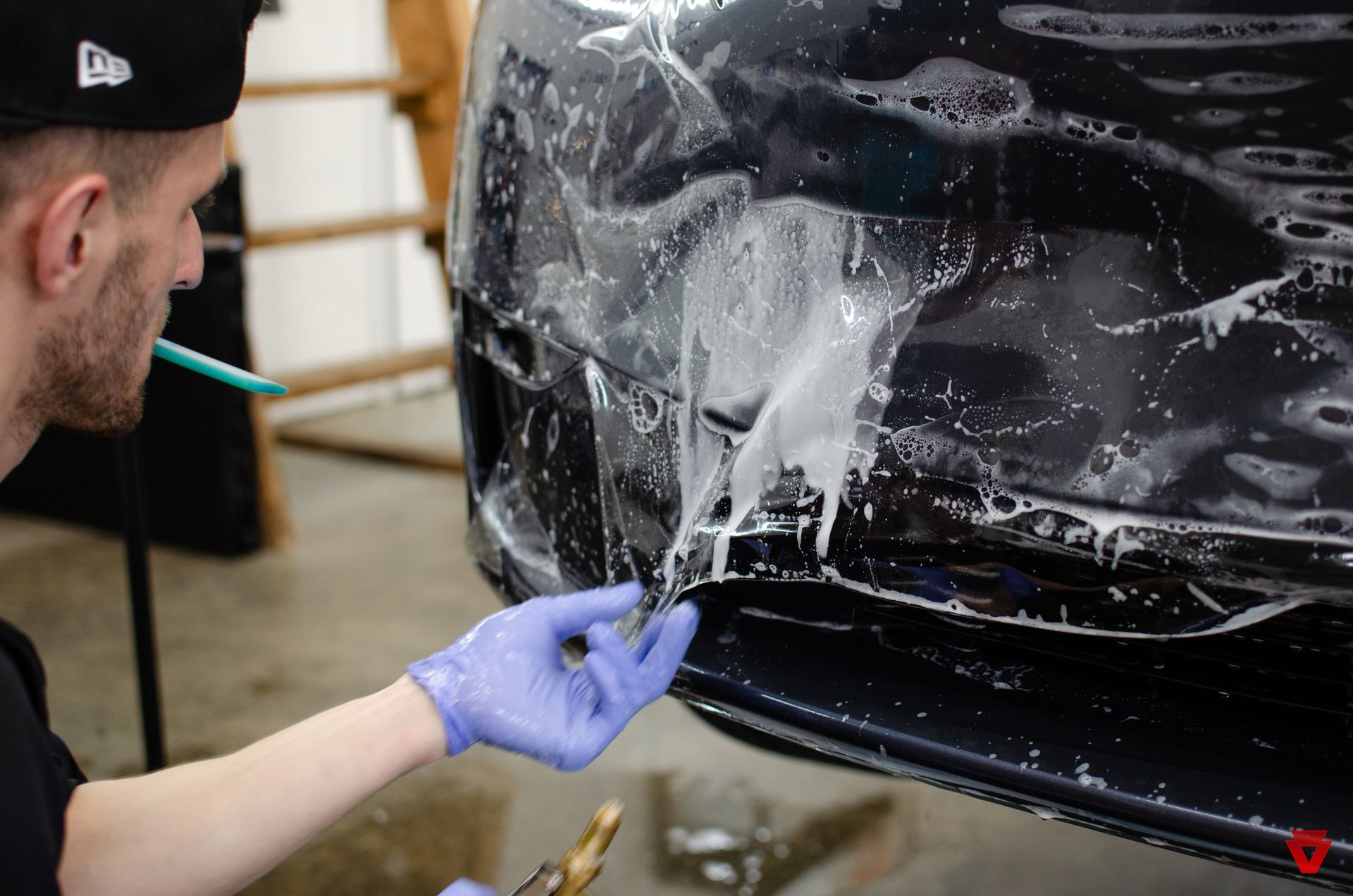
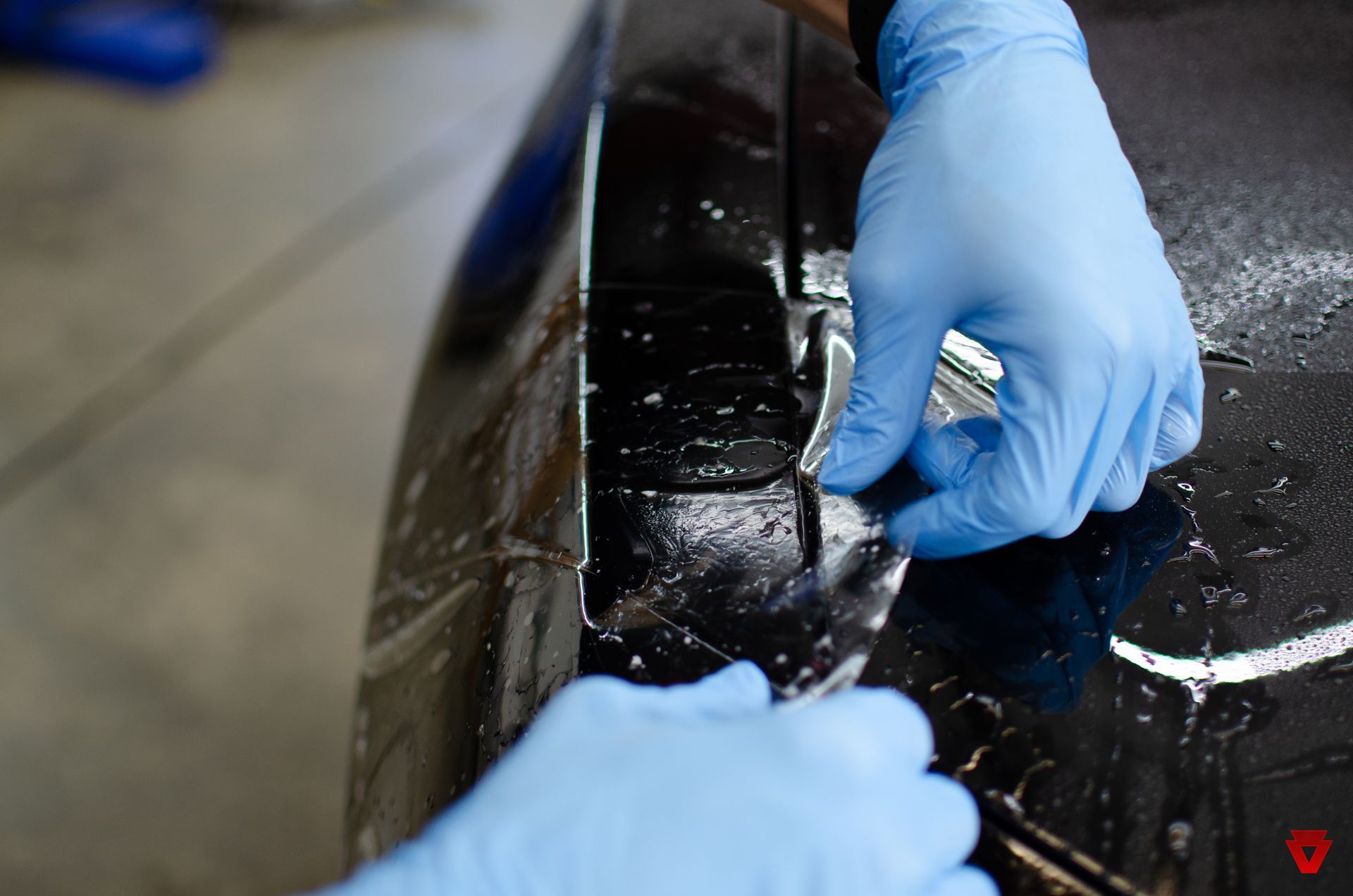
Protecting Your Film From Damage
One of the most crucial things you can do is to avoid any rough contact with the paint protection film. Abrasive materials, like harsh brushes or sponges, can scratch and damage the film's surface. When cleaning the film, use only gentle microfiber cloths and soft sponges designed for car care to minimize the risk of abrasion.
It's also essential to be mindful of external factors that may pose a threat to your film's integrity. For example, when driving, road debris and tree branches can inadvertently come into contact with the film, potentially causing scratches or chips—especially on the lower portions of your vehicle. To mitigate these risks, consider maintaining a safe distance from large trucks that produce significant amounts of road debris, and be cautious when navigating through areas with overhanging branches. Imagine driving down a rural road with loose gravel, kicking up small rocks that could pelt against your car's front end. Over time, these tiny impacts can take their toll on the protective layer of your paint protection film. To protect your investment and minimize potential wear and tear, it's essential to drive cautiously in such conditions and clean the film regularly to keep it free from abrasive particles.
A simple yet effective measure for minimizing damage to your paint protection film is providing it with adequate shelter whenever possible. Parking your vehicle in covered or sheltered areas shields the film from prolonged exposure to environmental elements, such as harsh sunlight, extreme weather conditions, or bird droppings—all of which can compromise the film's protective properties over time. Exposure to unrelenting sun rays can lead to color fading and oxidation of the film, diminishing its ability to serve as an effective barrier against UV radiation. Additionally, bird droppings contain acidic compounds that can etch into the film if left unattended for prolonged periods, causing unsightly stains and potentially compromising its protective capabilities.
Think of your paint protection film as a shield safeguarding your car's exterior from the elements. Just as a knight wouldn't leave their armor exposed to rust-inducing rain and storms, providing shelter for your vehicle helps preserve the film's integrity and prolong its lifespan. By being mindful of potential sources of physical damage and providing appropriate shelter for your vehicle, you can significantly enhance the longevity and effectiveness of your paint protection film. These proactive measures not only preserve the aesthetic appeal of your vehicle but also safeguard your investment in long-term paint protection.
Pitfalls to Avoid in Car Film Cleaning and Care
Your paint protection film is a significant investment in keeping your car looking its best. However, there are some common mistakes that can compromise the effectiveness and longevity of your PPF. Let's take a closer look at some pitfalls to avoid when caring for your paint protection film.
Using Harsh Chemicals
It might be tempting to use strong chemical cleaners to get rid of tough stains or dirt on your PPF, but this can actually do more harm than good. Harsh chemicals or high concentrations of dyes can compromise the integrity and appearance of the paint protection film. It's important to remember that a paint protection film is a delicate material designed to protect your car's paint, so it should be treated with care. Strong chemicals can break down the protective properties of the film, making it less effective at guarding against scratches, chips, and other forms of damage that can occur during everyday driving. This is why it's crucial to stick to pH-neutral and non-abrasive cleaning products specifically designed for paint protection film maintenance. These products are gentle on the film while effectively removing dirt and grime without causing any harm.
A good rule of thumb is to always check the labels of any cleaning products you intend to use on your paint protection film. Look for words like "safe for PPF" or "recommended for use on clear bras" to ensure that the product is suitable for maintaining your paint protection film without causing any adverse effects. Taking these precautions may seem small, but they go a long way in preserving the longevity and effectiveness of your protective film.
Neglecting Maintenance
Regular maintenance is crucial for preserving the film's protective qualities and aesthetic appeal. Neglecting to clean the PPF can lead to premature wear and damage. As mentioned previously, regular gentle hand washing using a dedicated car soap every 1-2 weeks is recommended for maintaining your paint protection film. In addition, applying a ceramic coating can provide added protection to the PPF and enhance its durability. Routine maintenance helps prevent dirt, debris, and environmental contaminants from building up on the film, which not only maintains its appearance but also ensures that it continues to provide optimal protection for your car's paint. Regular rinsing of the paint protection film once a week helps remove loose dirt and debris, preventing them from becoming lodged in or adhered to the film over time.
By establishing a routine for PPF care, including regular inspections, you'll not only catch potential issues early on but also preserve the original factory finish of your vehicle. Consistent care and attention to paint protection film maintenance enhance the aesthetics and resale value of your car, making it a worthwhile investment of your time and effort. Steering clear of using harsh chemicals and neglecting maintenance are just some key aspects to keep in mind when caring for your paint protection film. Understanding these pitfalls will help you maintain the integrity and beauty of your car's protective film for years to come.
Premier Paint Protection Film Service in Waterford, PA
Protect your vehicle with Keystone Detail’s
premier paint protection film service in Waterford, PA! Our high-quality, transparent film provides a robust shield against scratches, chips, and other road hazards, ensuring your car maintains its pristine appearance. Our skilled technicians expertly apply this film, which offers superior durability and clarity while preserving the original paint. Enhance your vehicle’s defense against the elements and keep it looking new longer. Visit Keystone Detail today and invest in the ultimate protection for your car. Schedule your appointment now and experience unmatched peace of mind on the road! Call us at
(814) 230-6991 to get started!