Before the Salt Trucks Run: Protecting Your Vehicle for Winter in Waterford & Erie, PA
The work that's easy in September is a lot harder in January.
Around here, winter doesn't arrive politely. You get one more good weekend out of the truck, and then the plows are out and every road between Waterford and Erie has a white crust on it. By the time that happens, the best window to protect your vehicle has already closed.
So while it's still warm, here's what the salt actually does — and what's worth doing about it first.
What road salt really does to a vehicle
Salt on its own isn't what ruins a finish. What it does is hold moisture. Brine keeps a wet film on your paint and undercarriage long after the road looks dry, and moisture that sits is moisture that corrodes. Add the freeze-thaw swings we get off the lake and you've got a cycle that works on seams, edges, and any place a chip has already opened the door.
It also isn't evenly distributed. Rocker panels, wheel wells, lower doors, the tailgate, and everything under the vehicle take the worst of it, because that's where the spray lands and stays. Then it comes inside on your boots and dries into a white ring on the carpet that gets a little more set-in every week.
A protected surface is a surface that lets go
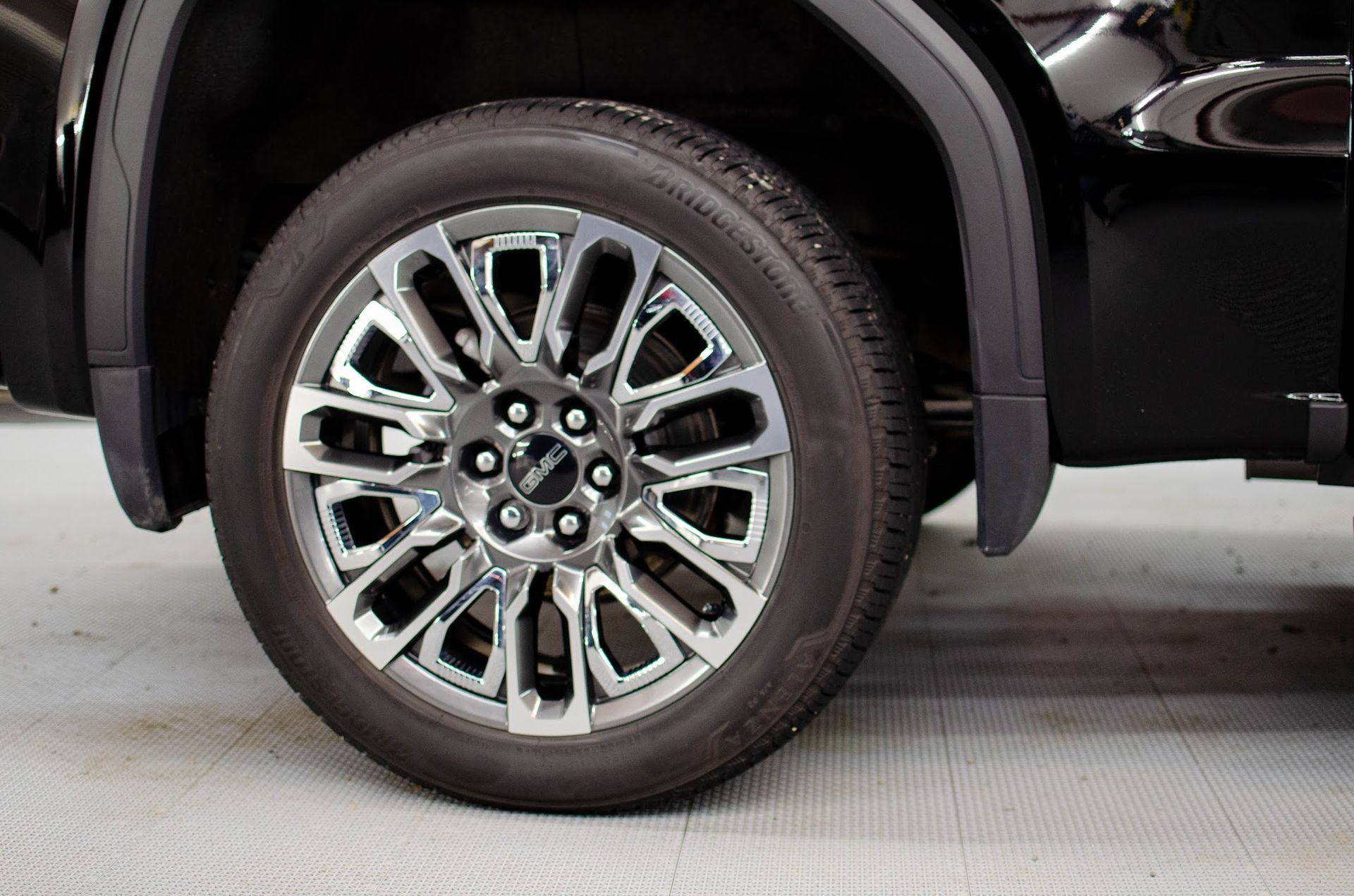
No coating makes a vehicle salt-proof, and we won't tell you otherwise. What a ceramic coating changes is how hard the winter grime holds on. The surface is slicker and sheds water, so road film releases with far less contact — and less contact means fewer swirls put into the paint during the months you're washing dirty vehicles most often.
That's the part people underestimate. Winter damage isn't only chemical; a lot of it comes from scrubbing a salty vehicle clean over and over. A ceramic coating gives you a finish that comes clean with a rinse and a gentle wash instead of pressure.
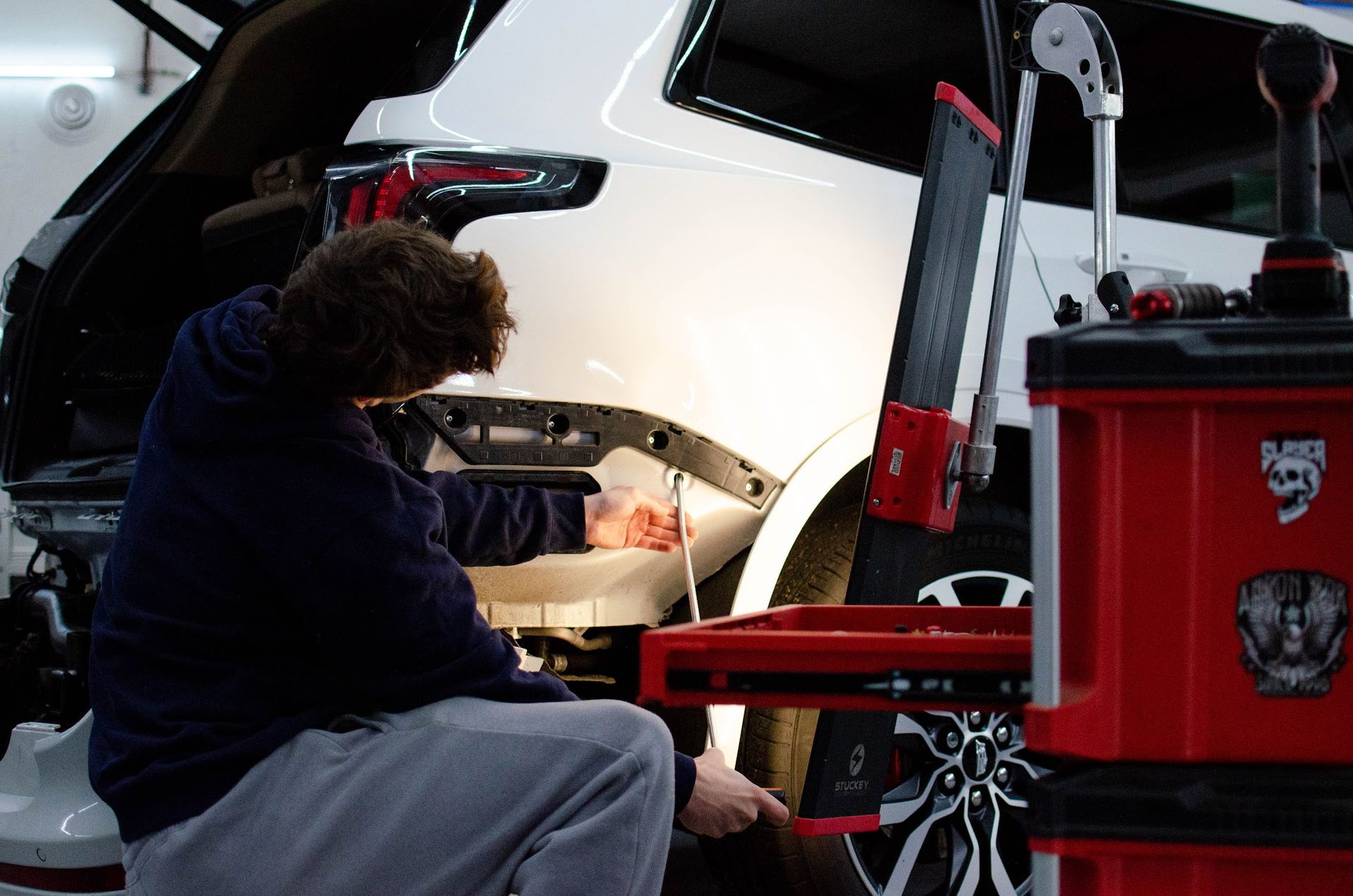
If the paint has already picked up swirls and etching from past winters, paint correction comes first — a coating locks in whatever is under it, so it's worth fixing the surface before sealing it.
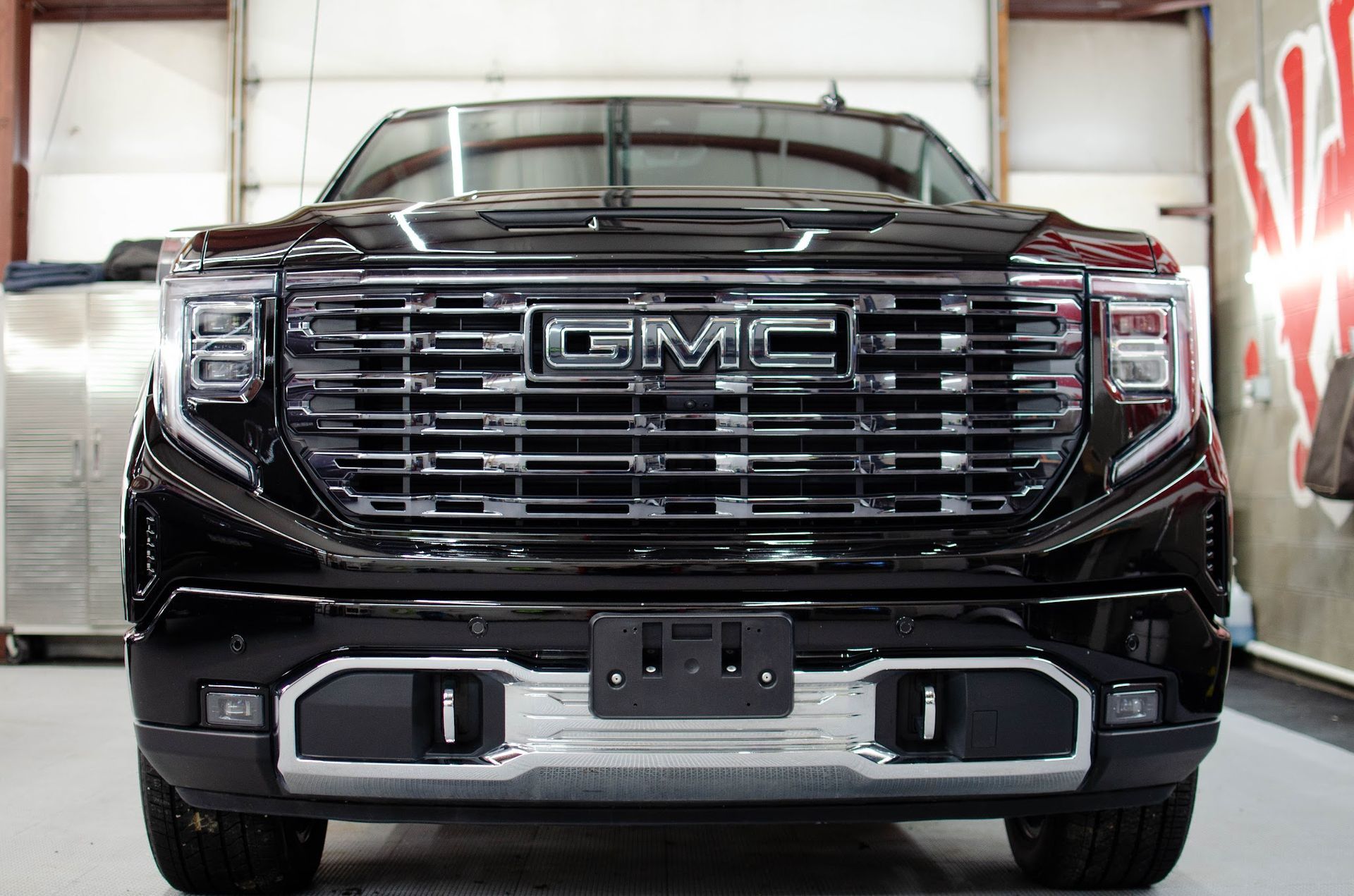
The front end takes the beating
Slush thrown off the vehicle ahead of you on I-79 is basically wet grit at highway speed. Over a season it stipples hoods, mirrors, headlights, and the leading edge of the roof, and it finds every rock chip you already had.
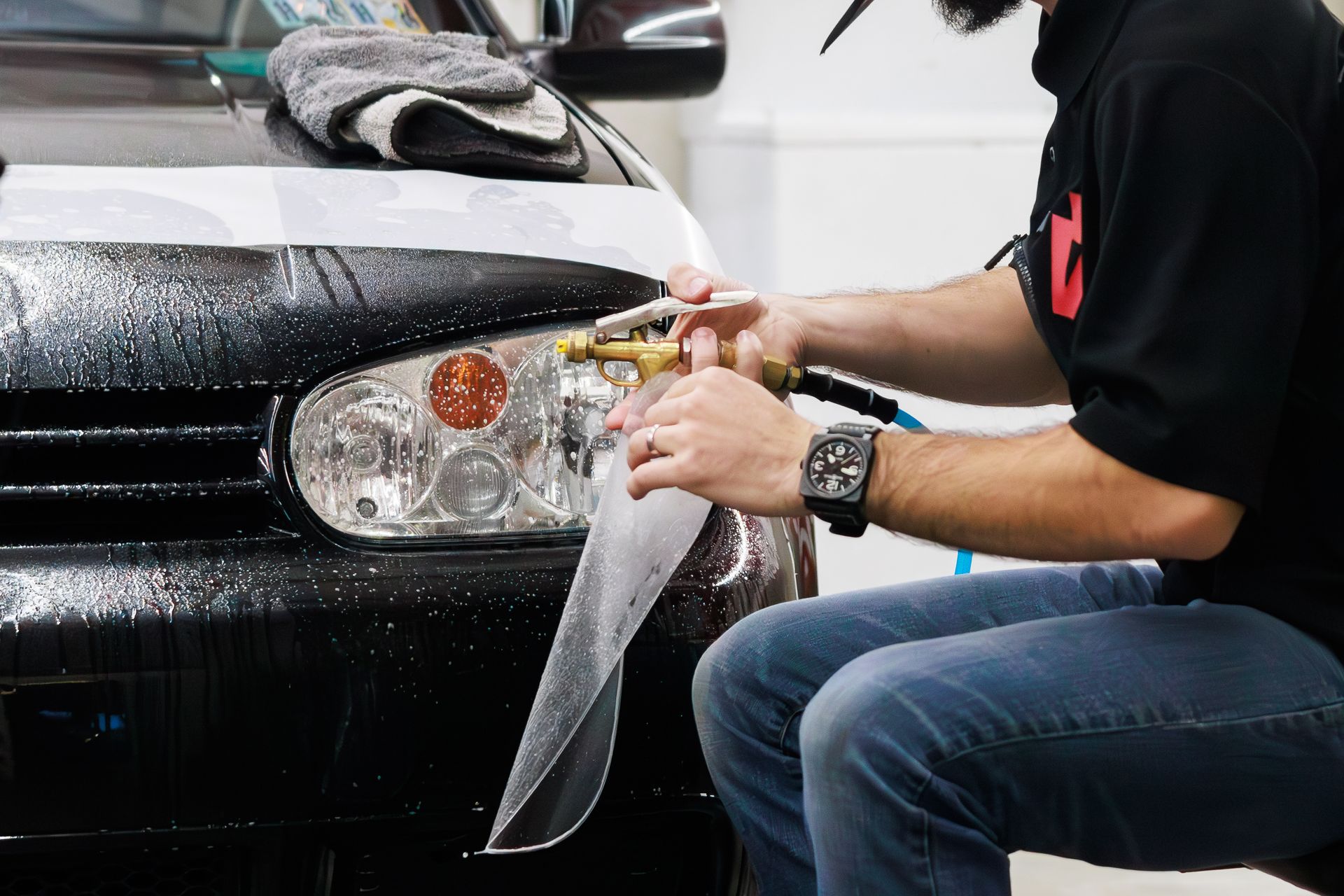
That's where paint protection film earns its keep. It's a clear urethane layer over the panels that get hit, and it takes the impacts instead of your paint. On a new vehicle it's the difference between a hood that still looks new in three winters and one that doesn't.
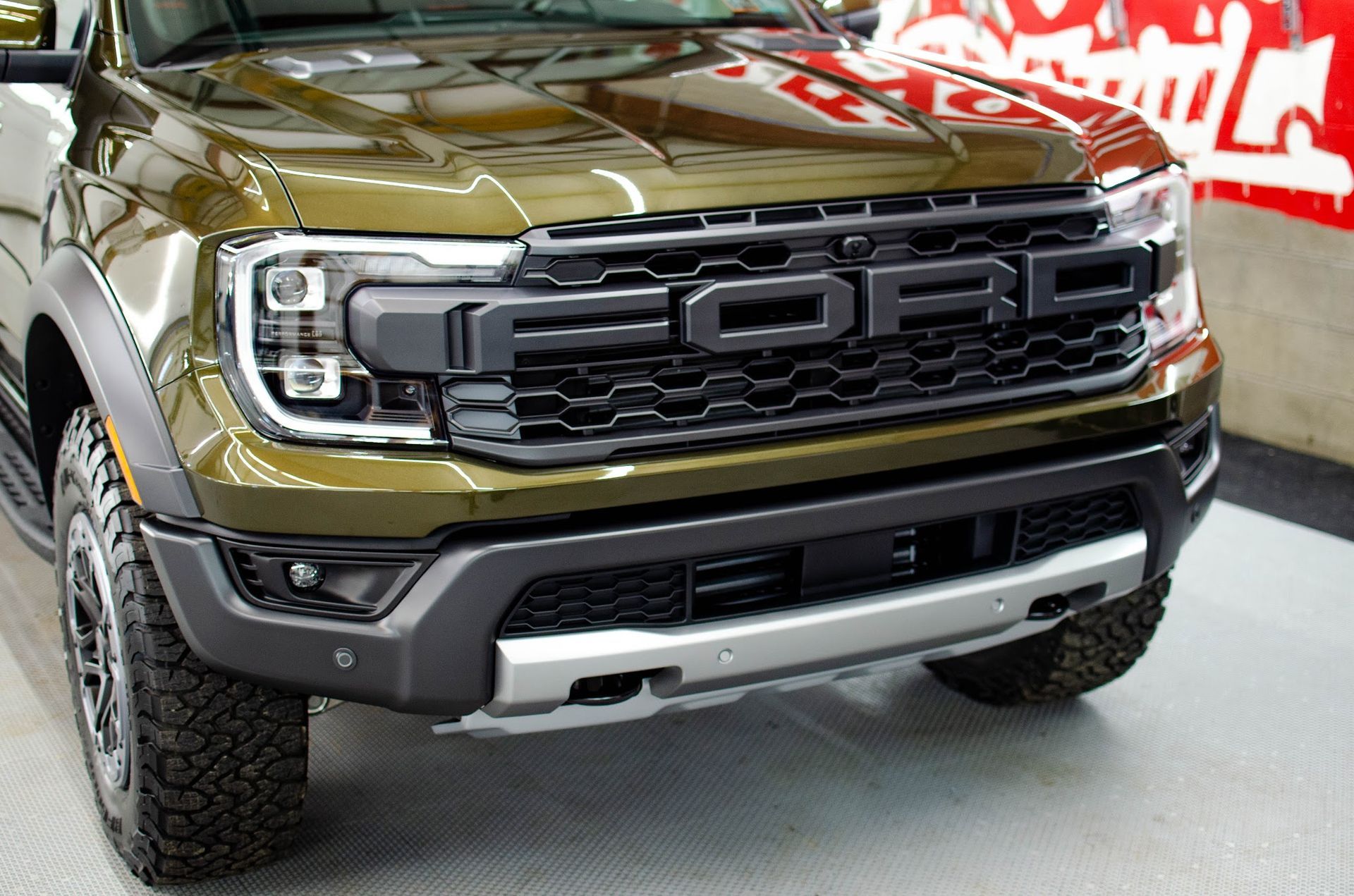
Don't forget the inside
Salt gets tracked in and it stays. On carpet and cloth it dries into stains that set harder the longer they sit; on leather it dries the surface out. Going into winter with clean, protected interior surfaces — and getting the salt out periodically rather than in April — makes a real difference in how the interior looks two or three years from now. That's what our interior and exterior detailing is for.

Get on the calendar while the weather still cooperates
There's a practical reason to do this work now rather than in December. Coatings and film go on best on a vehicle that's clean, dry, and at a stable temperature, and prep work — decontamination, a proper wash, a DI water rinse — is simply easier before the roads turn. Waiting until the salt is already on the vehicle means paying for the removal before we can even start.
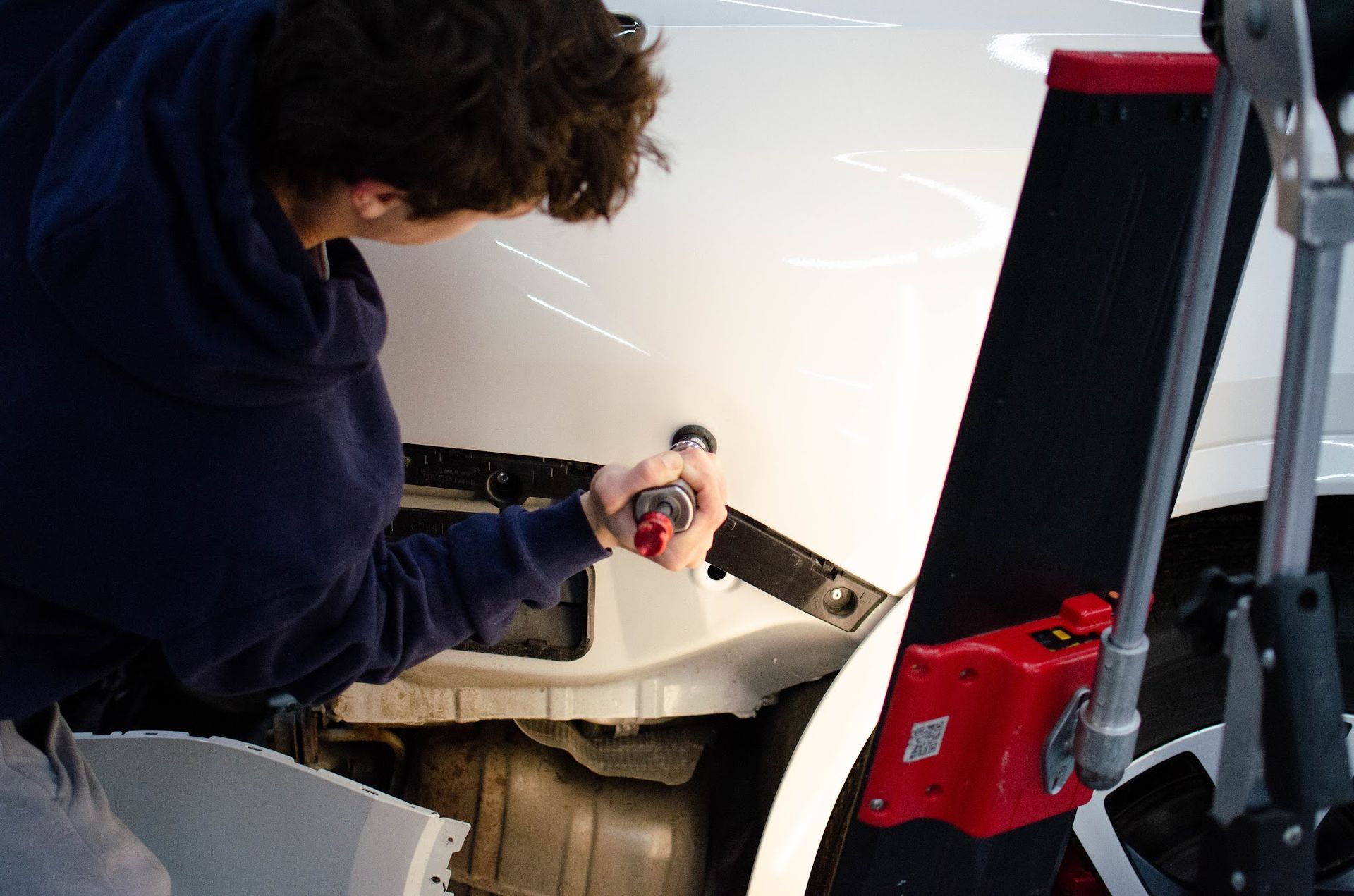
If you want to go into this winter protected, reach out and we'll walk through what your vehicle actually needs. Sometimes that's a full coating package. Sometimes it's film on the front end and a good detail. We'll tell you which.

Keystone Detail — Waterford & Erie, PA.