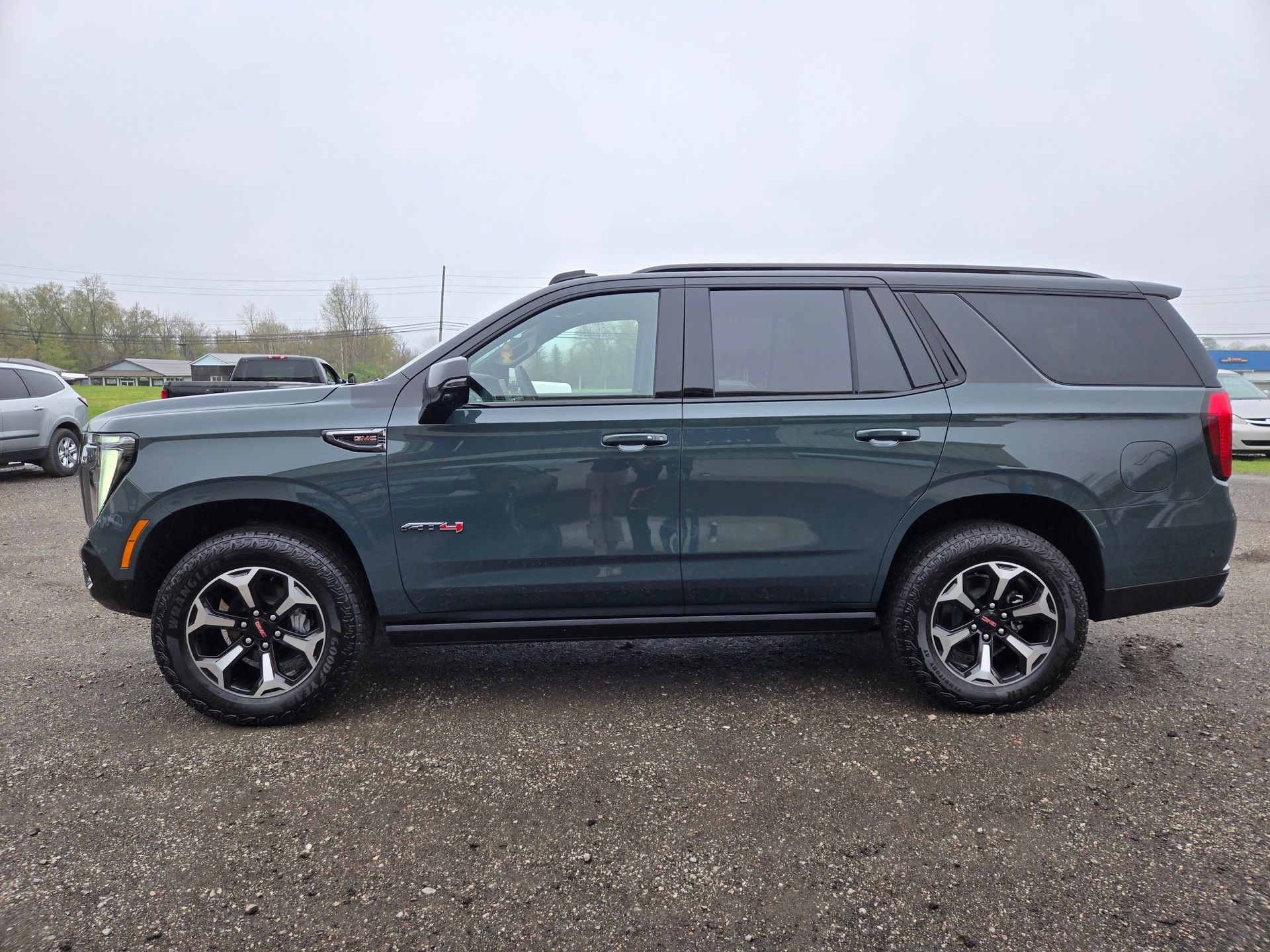
Is Your Tint Legal in PA? What the Law Says for Cars, Trucks and SUVs in Erie
The rule isn't the same for a car as it is for a truck. Here's where the line actually falls.
Every few weeks somebody pulls into the shop, points at their windows, and asks some version of the same question: is this legal?
It's a fair thing to ask, and the answer in Pennsylvania trips people up for one reason — the rule isn't the same for every vehicle. What's perfectly legal on a pickup is not legal on a sedan, and a lot of drivers find that out the hard way.
Here's how it actually works.
The number that matters is VLT
Tint darkness is measured as VLT, or visible light transmission — the percentage of light the glass lets through. The higher the number, the lighter the tint. A 70% film lets most of the light through. A 20% film lets very little. When Pennsylvania sets a limit, what it's setting is a minimum VLT.
Cars and coupes: 70% and up
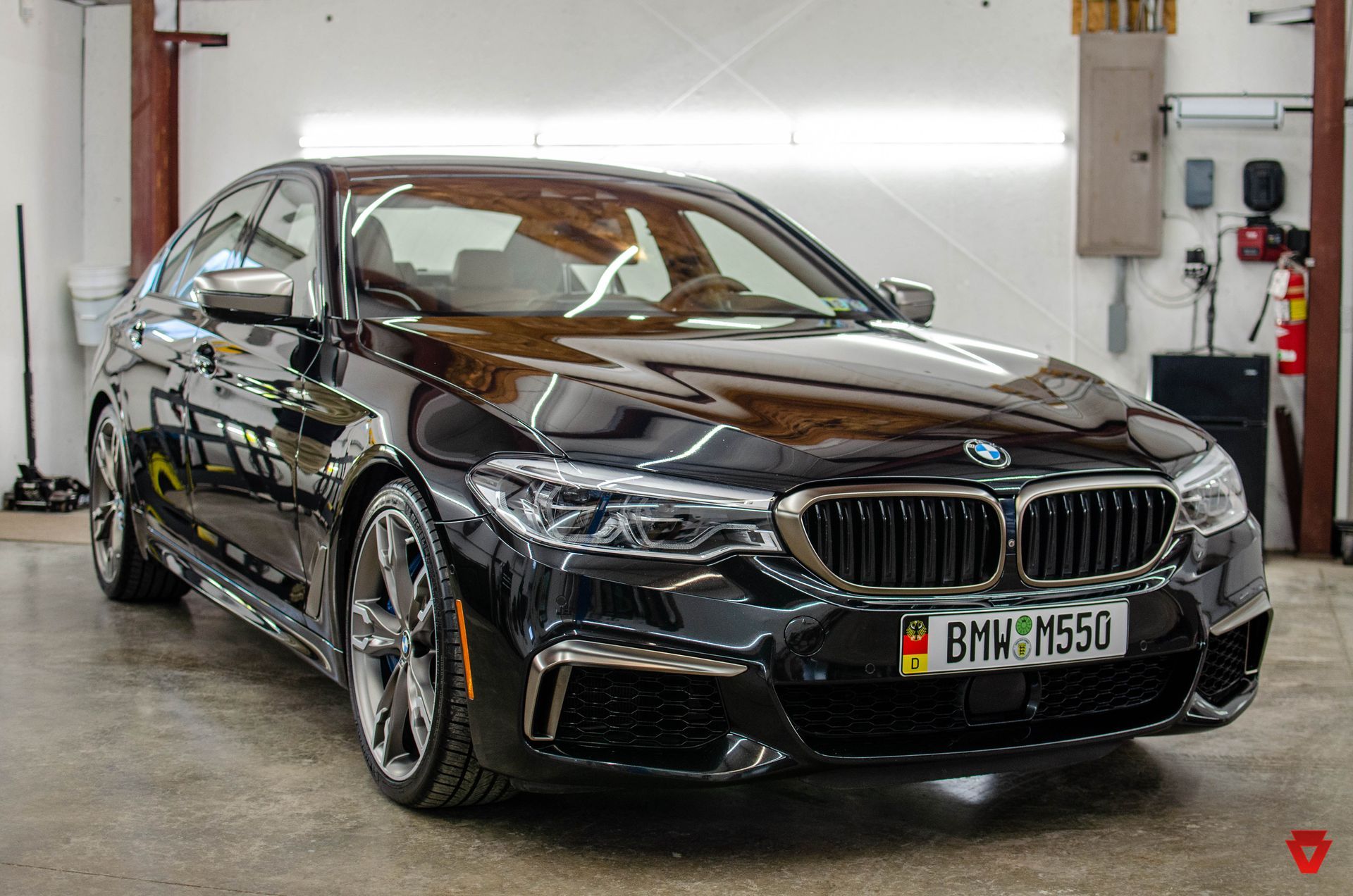
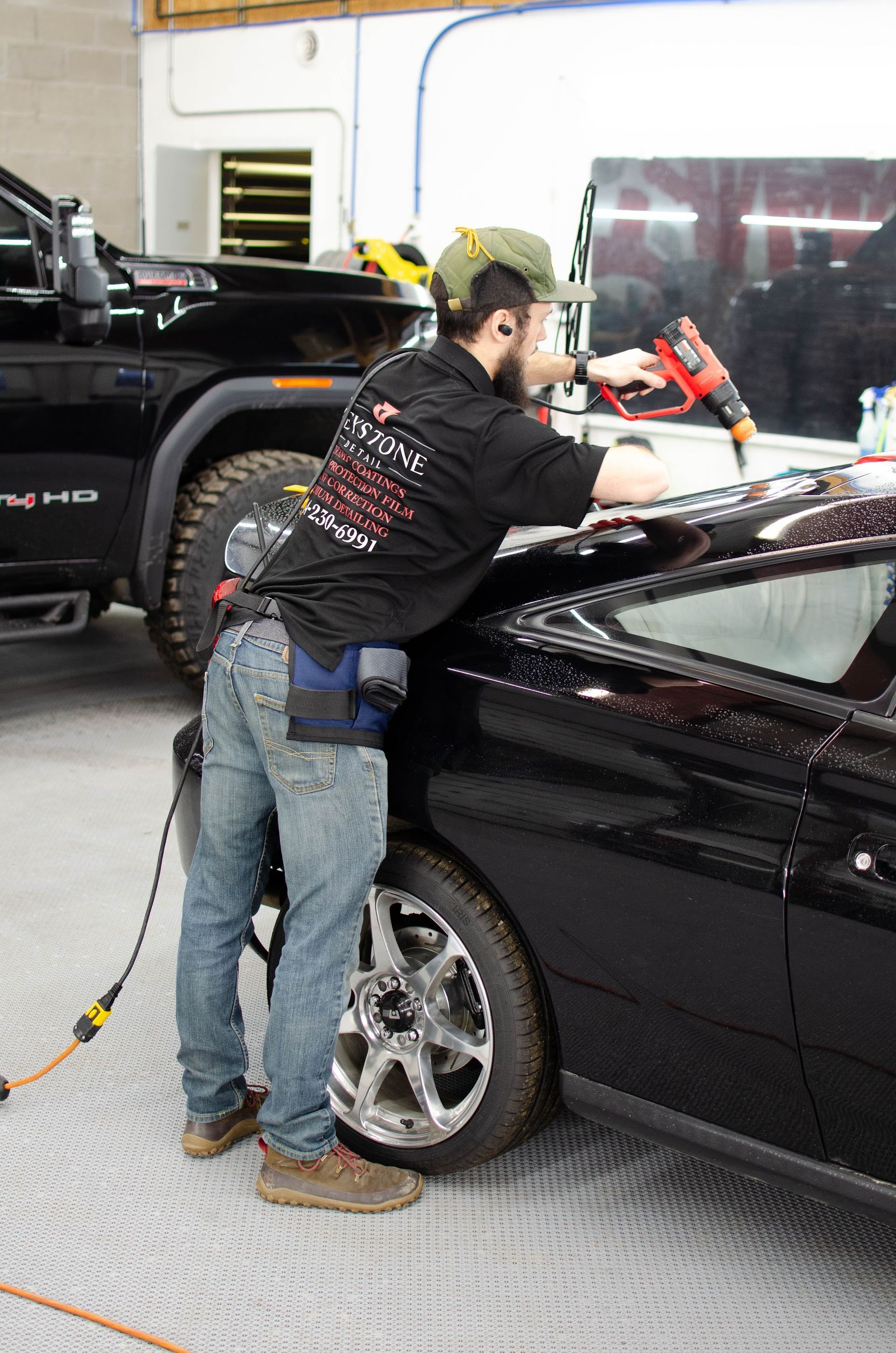
If you drive a sedan or a coupe built in 1998 or later, Pennsylvania requires at least 70% VLT on all of your windows. All of them — front doors, back doors, and the rear glass.
That catches people off guard, because dark sedans are not exactly rare on the road around here. Some of those are wearing factory glass that already meets the standard, some are registered in another state, and some are simply not legal. If you're hoping to make a car look meaningfully darker than it left the factory, Pennsylvania isn't going to give you much room to work with.
Trucks, SUVs and vans get more room
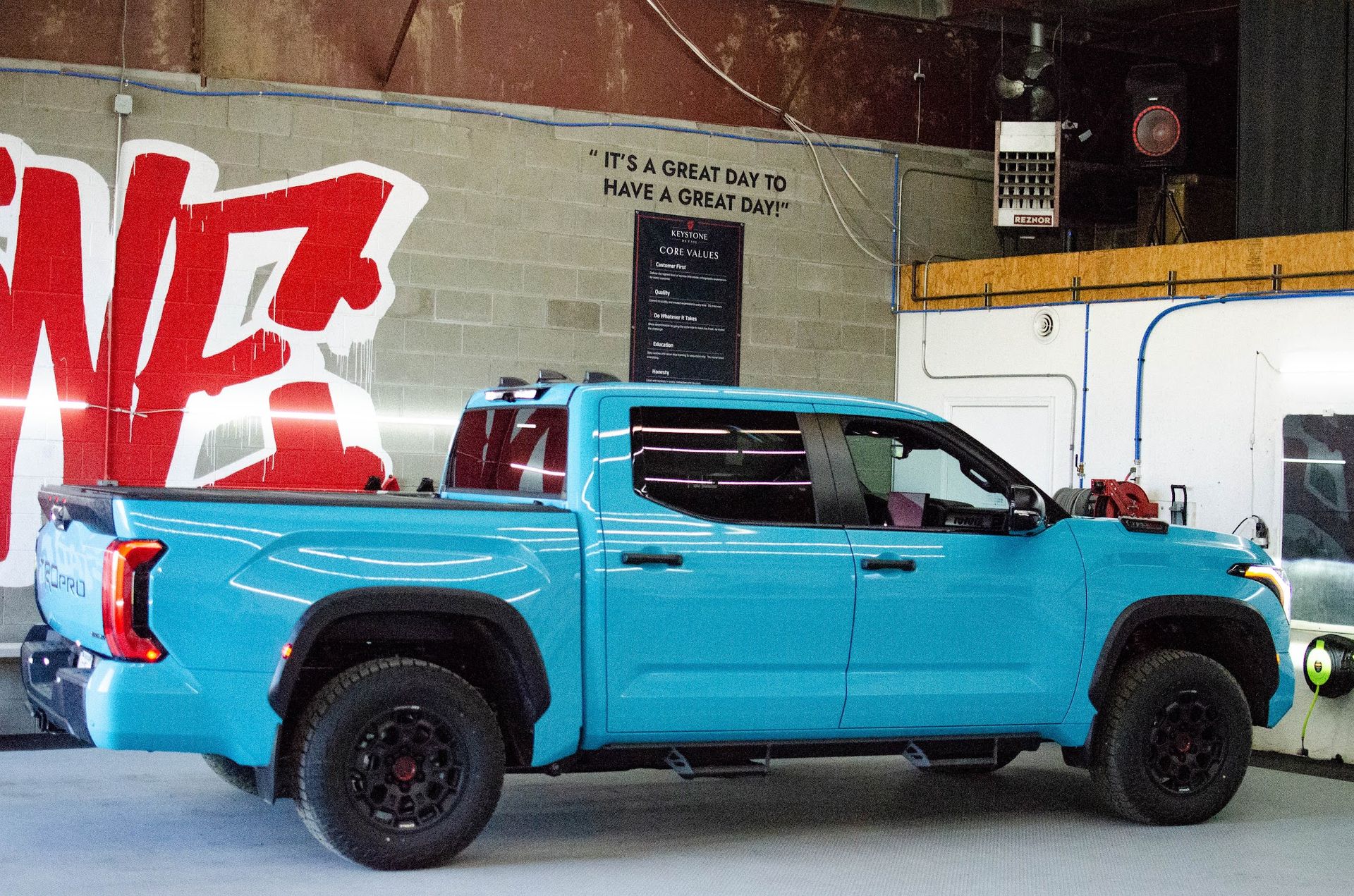
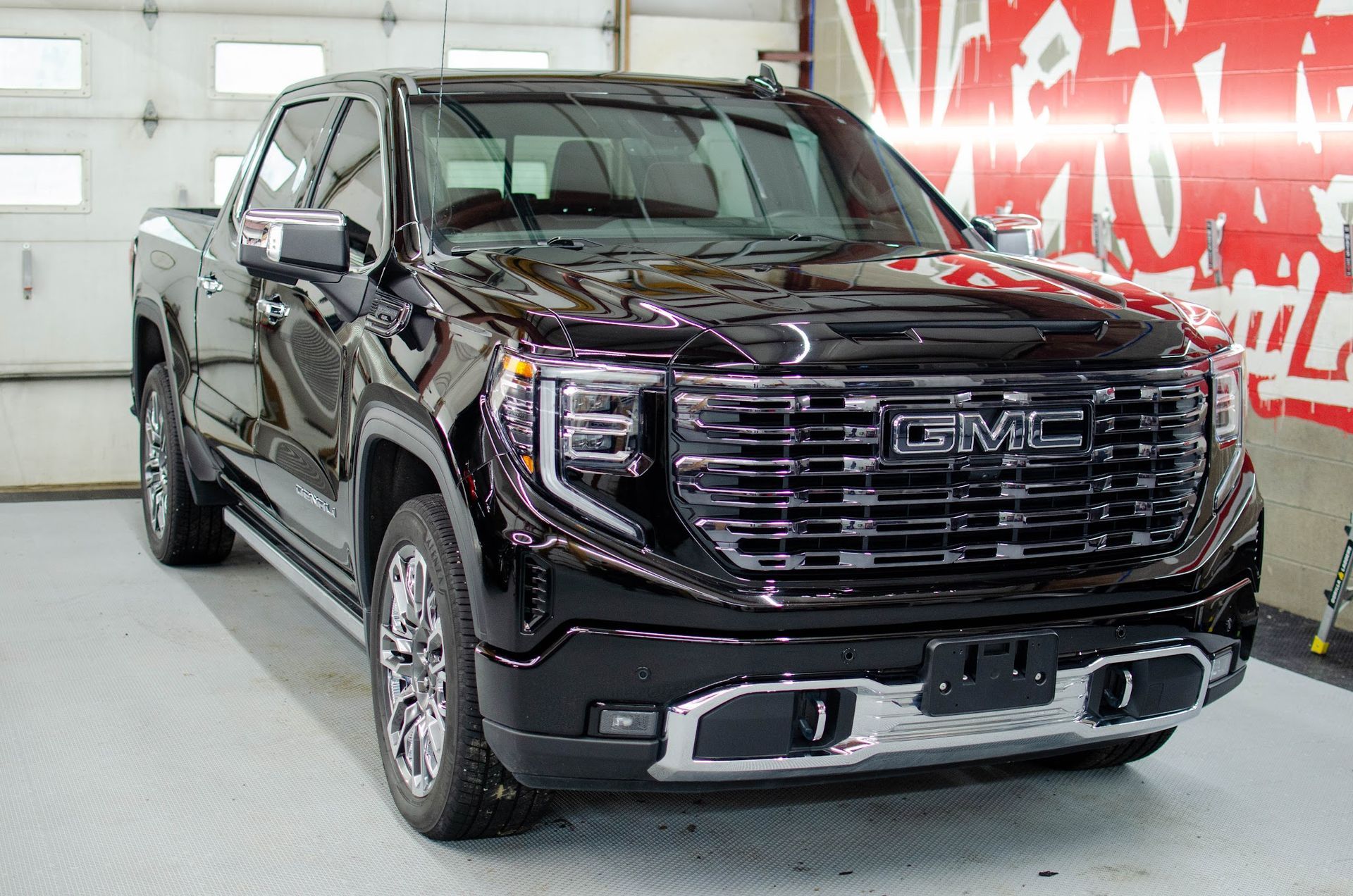
This is where it opens up. On an SUV, pickup or van, Pennsylvania allows any darkness you want on the rear window and the back side windows. There's no minimum on those at all.
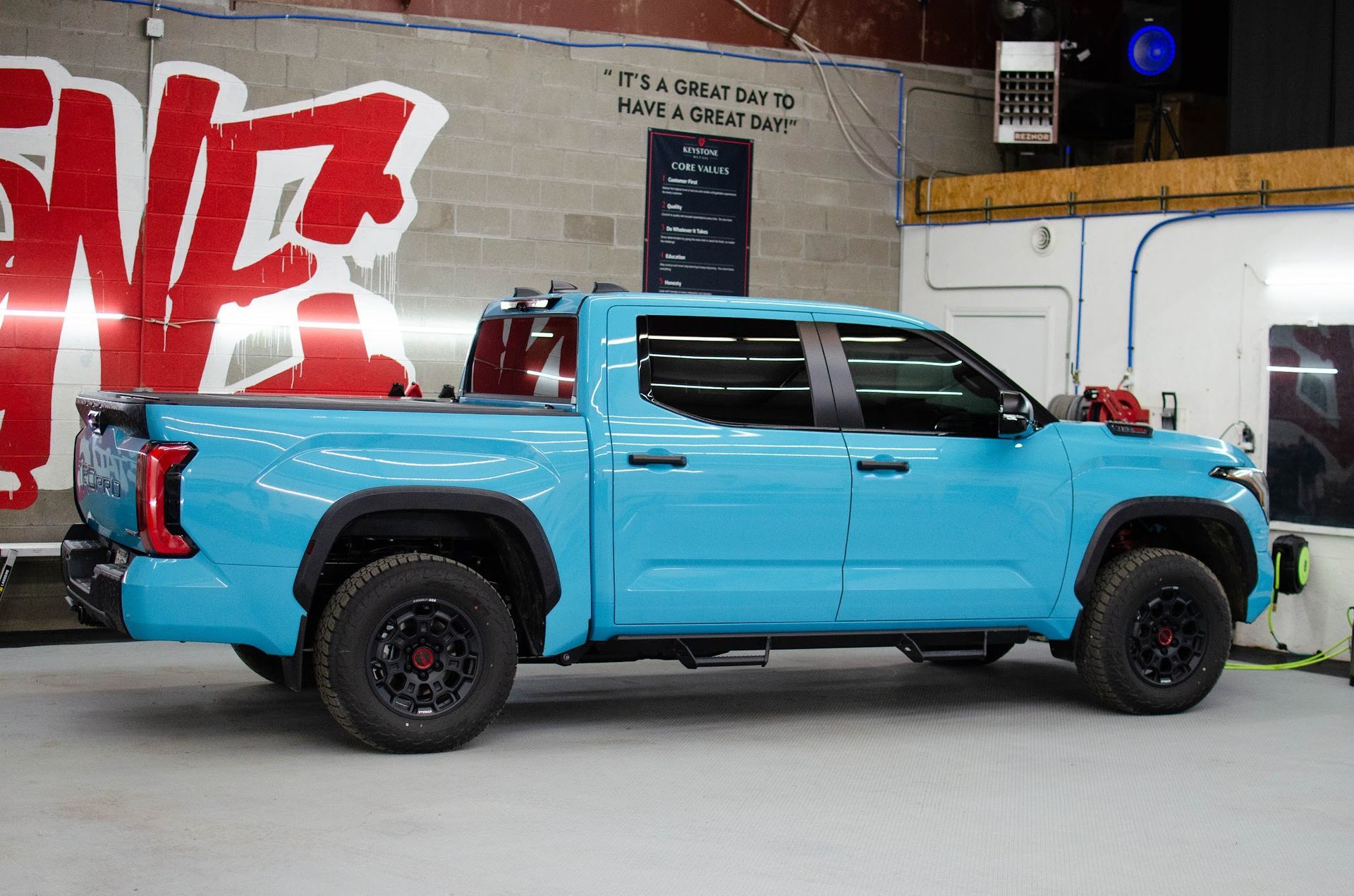
The front side windows are a different story — those still follow the same 70% rule a car does. So the usual setup on a truck is dark in the back and legal-light up front. It reads as intentional, and it keeps you out of trouble.
It also answers the factory privacy glass question we get constantly. Plenty of trucks and SUVs leave the dealer with dark glass behind the front doors already. That's allowed for exactly the same reason.
What actually happens in practice
Now the part most shops won't put in writing. We tint a lot of vehicles below the legal limit, and we don't have a problem doing it. Anyone going darker than the law allows signs a waiver first, so it's a decision the driver makes with their eyes open and the risk sits where it belongs.
What we've watched happen over a lot of years is pretty consistent: as long as somebody isn't blacking out a windshield, tint doesn't tend to draw much attention. You'll see police cruisers around here running tint that wouldn't measure legal either. That isn't a guarantee and it isn't legal advice — if you go below the limit, the citation is yours, not ours. We'd just rather tell you how it actually goes than pretend the only conversation anyone has is about 70%.
The windshield is its own question
The windshield comes up more than anything else, and we handle it one way: ceramic film only. The windshield is the one piece of glass where you can't trade away visibility for anything, and ceramic is what lets you cut heat without going dark to do it. We don't stock dyed film at all — everything we install is carbon or ceramic — so the low-grade film that goes purple in a couple of summers isn't something we'd hand you in the first place. You can see what we run on the rest of the vehicle on our automotive window tinting page.
Knowing the number is only half of it
The legal limit tells you how dark you're allowed to go. It doesn't tell you whether the job will still look right in five years.
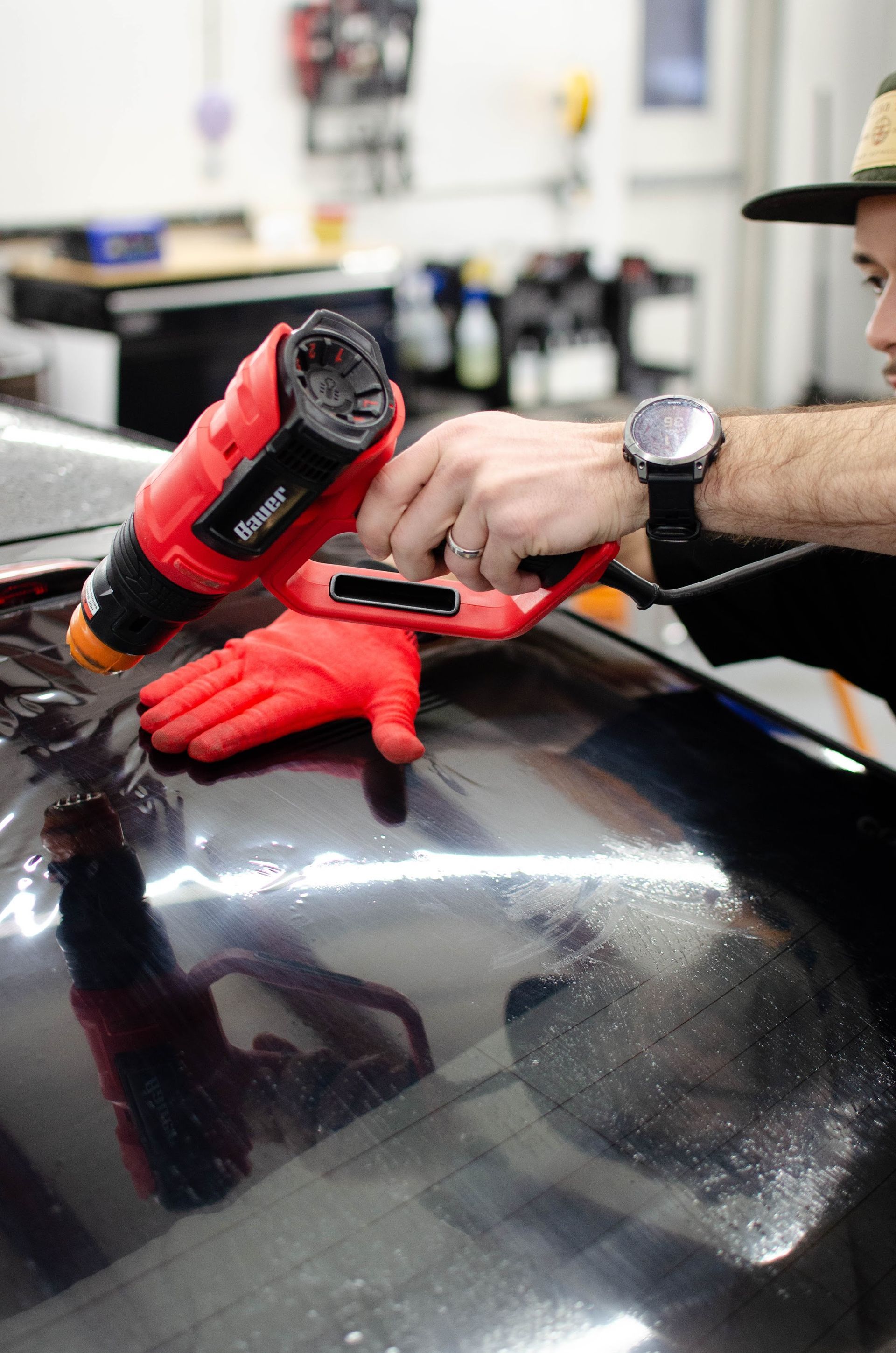
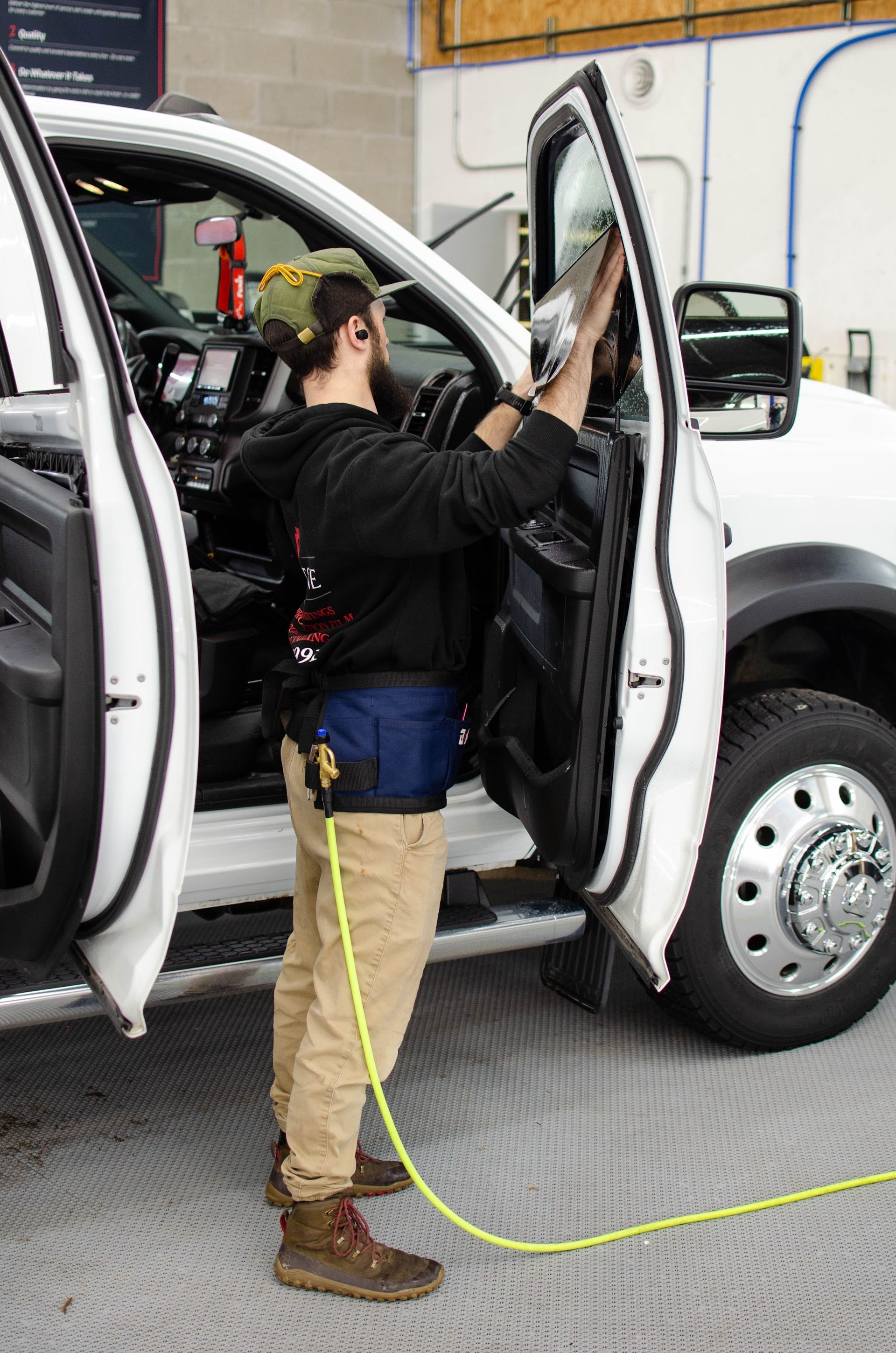
Film cut tight to the edge of the glass, shrunk properly to the curve of the window, and installed in a clean shop is what separates tint that still looks factory from tint that's lifting and bubbling at the top of the door two summers later. That part isn't in the law. It's in the work.
If you're not sure where you stand
If there's already tint on the vehicle and you have no idea what it measures, or you're trying to work out what you can legally do to a new truck, bring it by. We'll tell you where you actually stand and what your options are — including the times the answer is that you're already fine.
Worth mentioning: none of this applies to buildings. Home and office glass isn't governed by vehicle tint law, so a house or a storefront can go as dark as you want it.