What Paint Correction Actually Does — and Why It Comes First in Waterford & Erie, PA

Cody Brace • June 15, 2026

What paint correction actually removes, why it comes before any ceramic coating or PPF, and how to tell if your car is a candidate — serving Waterford & Erie, PA.
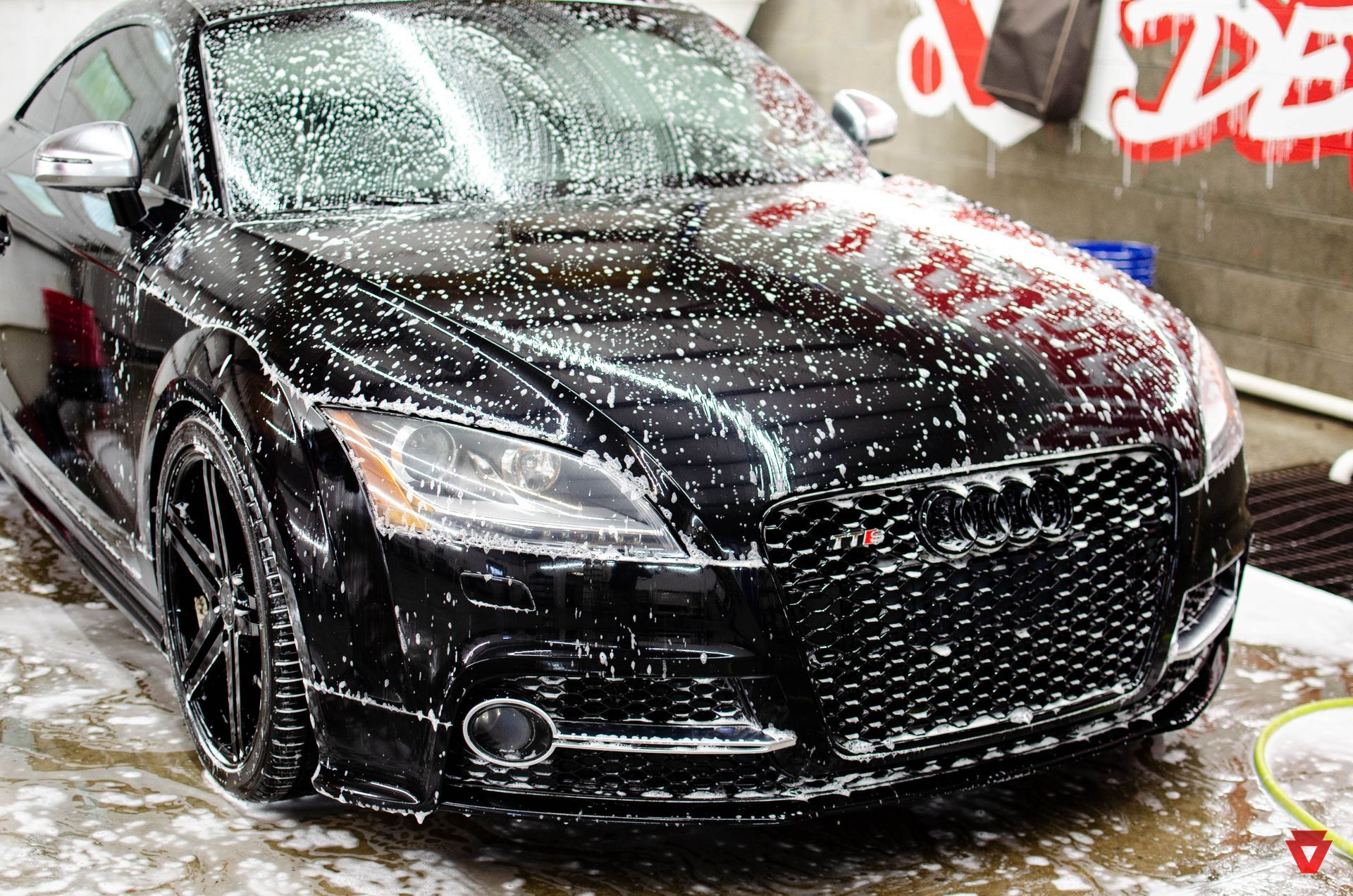
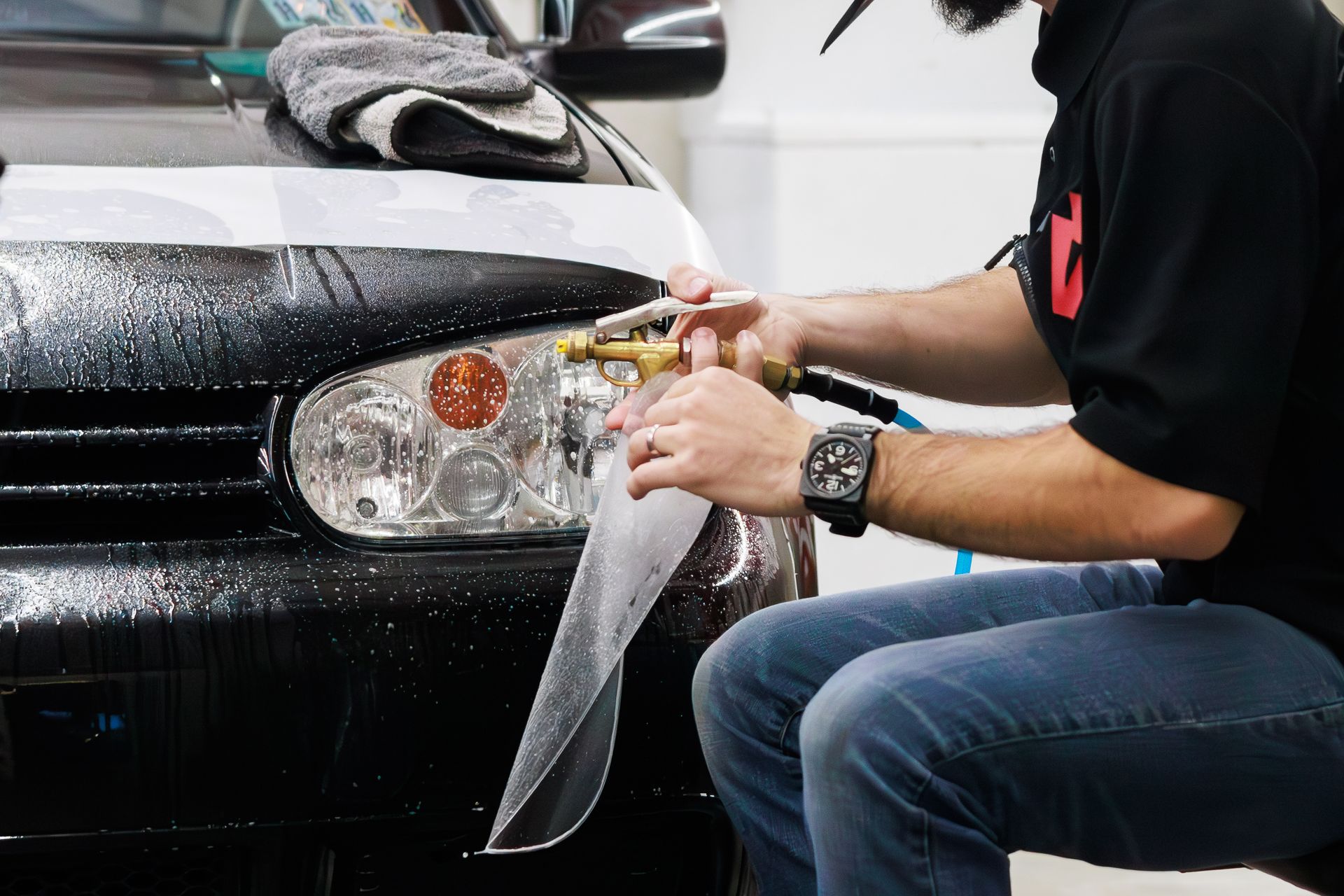
Decontamination wash on a 2011 Audi TTs during paint correction prep at Keystone Detail in Waterford, PA

If you've ever looked at your car in direct sunlight and noticed fine spider-web swirls, hazy spots, or scratches you can feel with a fingernail, you've seen why paint correction exists. It's one of the most misunderstood things we do here in Waterford, and it's also the step that makes everything else — the gloss, the depth, the protection — actually work. So here's a straight answer on what it is, when you need it, and what we do.

What paint correction actually is

Paint correction is the process of removing imperfections from your clear coat instead of just hiding them. Over time, washing, drying, road grime, and the sun leave behind swirl marks, light scratches, water spots, and oxidation that dull the finish. A lot of products promise to "fill" those in with glaze or wax, but that's temporary — it washes away in a few weeks and the flaws come right back. Correction is different. Using a machine polisher and graduated abrasives, our technicians level a microscopic amount of clear coat to remove the defect at its source. Done right, the swirls are gone, not masked, and the paint reads deeper and sharper because light is finally reflecting off a flat surface.

Why it matters before ceramic coating or PPF

This is the part people don't expect. A ceramic coating and paint protection film are both clear — they lock in exactly what's underneath them. If we seal a coating over swirls and scratches, you've just made those flaws permanent and added years of protection to them. That's why correction comes first. We treat it as the foundation: get the paint right, then protect it. The correction work is what separates a finish that looks incredible for years from one that looked good for a week.

What we actually do

Every car is a little different, so we start by assessing the paint in proper lighting to see what we're working with. From there the work usually runs in stages: a thorough decontamination wash to pull out embedded contaminants, a clay treatment to leave the surface perfectly smooth, then the correction itself — often a multi-step polish depending on how much defect is in the paint. We dial in the right pads and compounds for your specific clear coat rather than running one aggressive pass over everything. The goal is to remove what needs removing and nothing more, because clear coat is a finite resource and we'd rather preserve yours.

Is your car a candidate?

Most are. Daily drivers pick up swirls just from normal washing. Older vehicles and anything with a darker color tend to show defects most dramatically — which also means they benefit the most. Newer cars aren't automatically safe either; even a few months of automatic car washes can leave a finish covered in fine scratches. If your paint looks flat, cloudy, or webbed under the sun, correction will likely make a bigger difference than anything else you could do to it. (A heads-up for darker finishes: black and other dark colors take extra time and care to correct properly, so those packages are priced a bit higher.)

The bottom line

Paint correction isn't a luxury add-on — it's the difference between a car that merely looks clean and one that looks genuinely restored. And if you're protecting your vehicle afterward, it's not optional; it's what makes the protection worth doing. If you're in Waterford, Erie, or the surrounding area and want to know what your paint actually needs, reach out and we'll take a look. We're happy to tell you honestly whether a full correction makes sense or whether a lighter detail will get you where you want to be.
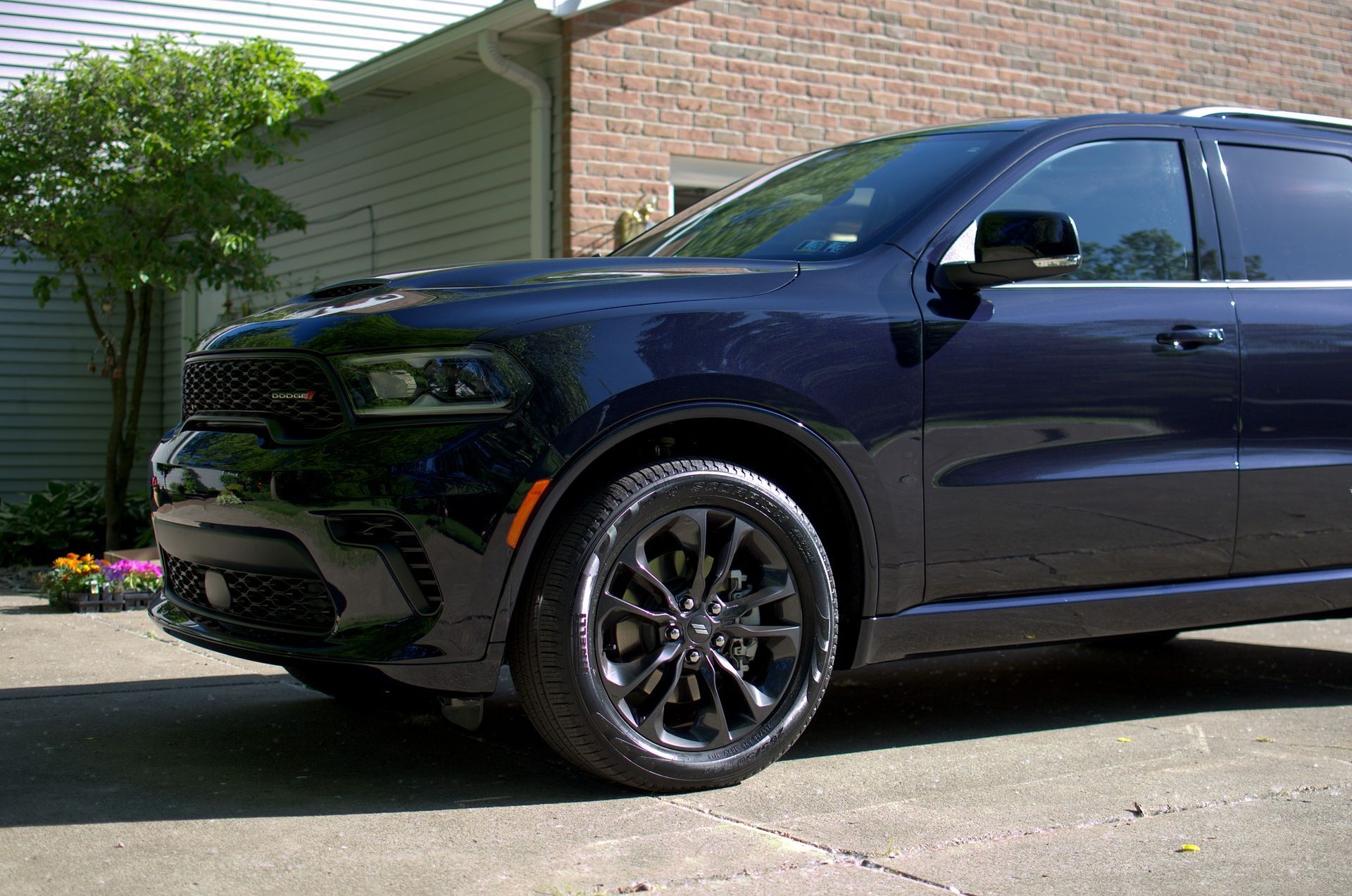
Glossy black Dodge Durango, freshly detailed and show-ready, in the Keystone Detail lot in Waterford & Erie, PA
By Cody Brace June 11, 2026
Getting your car show-ready in Waterford & Erie — plus the Cruise-In we're hosting June 14
Subaru Forester with 70% ceramic window tint completed at Keystone Detail in Waterford, PA
By Cody Brace June 6, 2026
How window tint keeps your car cooler and protects your interior from the summer sun in Waterford and Erie, PA — plus ceramic vs. standard film, explained.
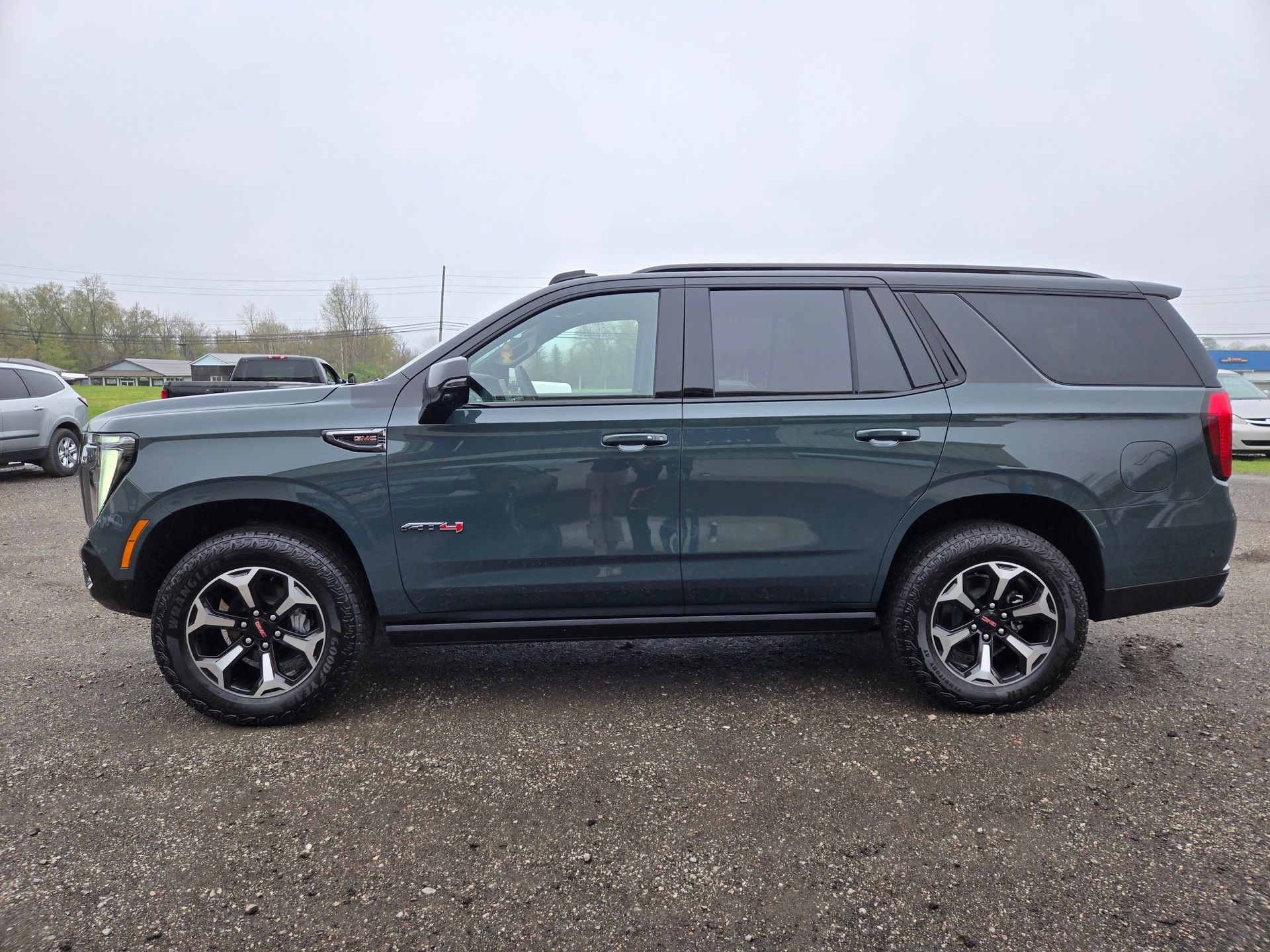
GMC Yukon AT4 with tuxedo wrap by Keystone Detail in Waterford, PA
By Cody Brace May 7, 2026
Danielle wanted her Yukon AT4 to stand out. We gave it a full tuxedo wrap with black PPF and vinyl at our Waterford, PA shop. See the results.
By Isaac Melnick February 5, 2026
January Edition Keep up with the happenings here at Keystone Detail!
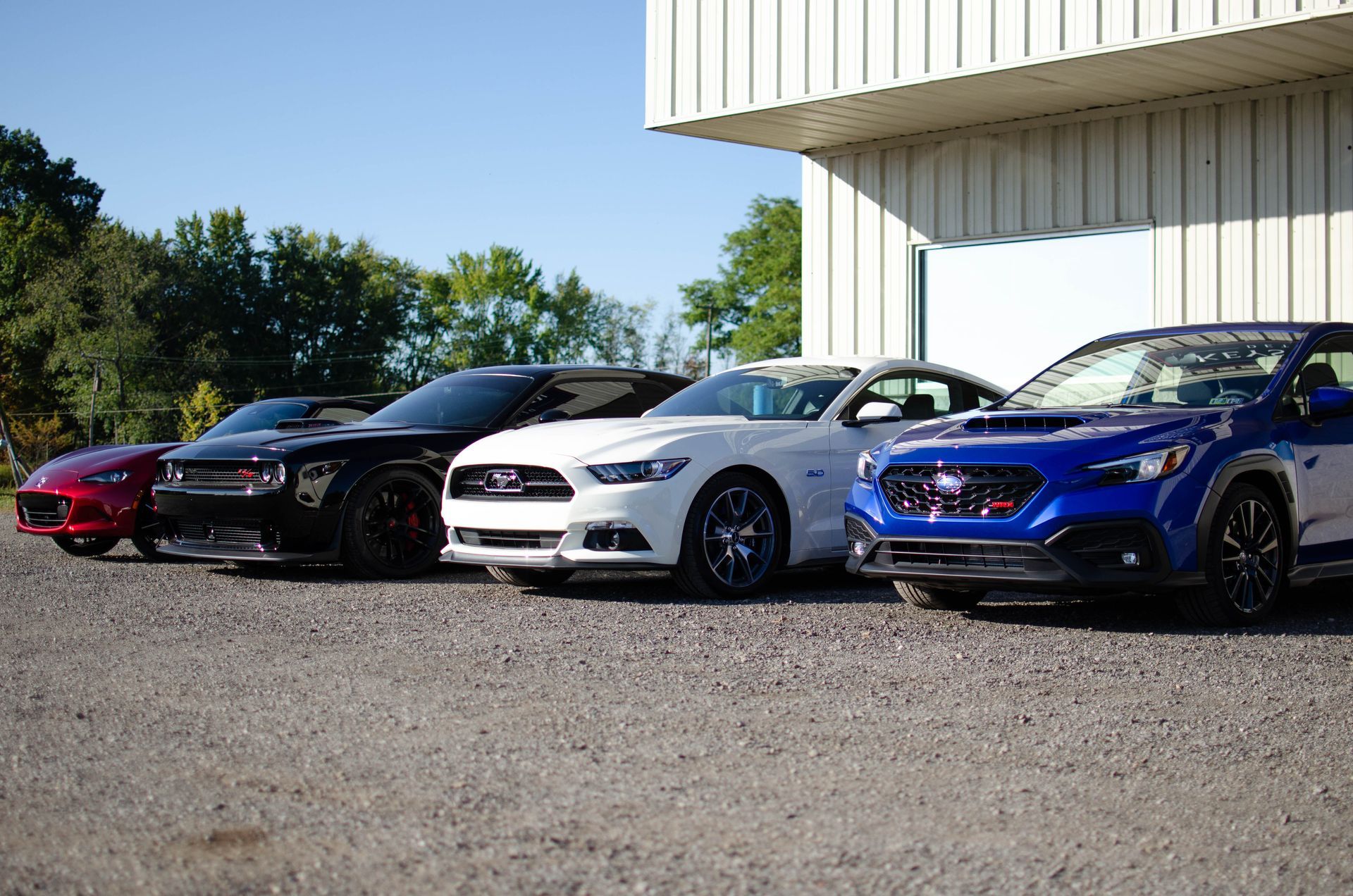
4 Finished Vehicles in front of Keystone Detail. Subaru WRX, Mustang GT, Dodge Challenger
December 19, 2025
December Edition Keep up with the happenings here at Keystone Detail!
By Cody Brace October 15, 2024
The world of window tinting is shrouded in several myths, leaving many car enthusiasts unsure about its true value. These misconceptions can cloud judgment, causing hesitation or even leading to uninformed decisions that might affect your vehicle's appearance and adherence to local laws. From thinking window tint is solely for aesthetic purposes to assuming it's only applicable to cars, there's a lot that people get wrong. The top myths about window tinting include beliefs such as it is only for cars, it makes windows overly reflective, and it serves no practical purpose. In reality, window tinting offers extensive benefits such as energy savings, UV protection, and enhanced comfort in homes and offices, making it a versatile solution beyond mere aesthetics. Common Myths Surrounding Window Tinting Myth 1: Window Tinting is Only for Cars: It’s easy to think that window tinting is an automotive-only phenomenon, but this assumption couldn’t be further from the truth. Many individuals and businesses have discovered the benefits of applying window films in their homes and workplaces as well. For example, think about a sunny afternoon spent working at a computer; without proper sun control, glare can make it difficult to focus. By installing window film, a home office or conference room can transform into a comfortable space with reduced glare and increased privacy. Myth 2: Window Tinting Makes Driving at Night More Difficult: Many believe that tinted windows make it harder to see at night due to increased reflectivity or darkness. However, modern window tints are designed to balance visibility and privacy, ensuring clear sightlines at night without glare or reflection issues. High-quality automotive tints allow drivers to maintain excellent vision in low-light conditions while still benefiting from reduced daytime glare and UV protection. Myth 3: Window Tinting is Just for Aesthetics: While tinted windows can undeniably enhance a vehicle’s look, the benefits extend far beyond aesthetics. Quality tints provide critical UV protection, shielding the interior from fading and damage while reducing heat buildup in the cabin. This translates into a more comfortable driving experience, less strain on the air conditioning system, and even potential fuel savings, making it a practical investment. Myth 4: All Window Tinting Films are the Same: Some may think all window tinting films perform similarly, but this is far from true. Advancements in technology have led to a wide range of tints with varying levels of heat rejection, UV protection, and durability. High-performance films can block up to 99% of harmful UV rays and significantly reduce interior heat, providing superior protection and comfort for drivers, passengers, and the vehicle itself.  Understanding the truths behind these misconceptions sets the stage for exploring the regulatory framework governing window tinting options available to consumers.
By Detailers Roadmap SEO October 15, 2024
When you've spent countless weekends perfecting your vehicle with careful modifications and detail work, nothing feels worse than realizing your ceramic coating isn't up to par. High hopes can quickly turn into disappointment if you end up with substandard results. This guide aims to empower you with definitive markers of top-notch ceramic coating so you never worry about wasting money or damaging your paint job. When assessing the quality of ceramic coating installation , consider the installer's certification and training, their experience and expertise in application techniques, and any warranty or guarantee they provide for their work. Additionally, researching customer reviews and comparing quotes from multiple installers can help ensure you choose a qualified professional who delivers lasting results. Evaluating Ceramic Coating Quality Beyond mere appearances, there are tangible ways to assess how well the ceramic coating is working for your vehicle. While the initial gloss and clarity certainly catch the eye, they don’t paint the entire picture. It's crucial to explore performance metrics that reveal the coating’s effectiveness over time. Water Beading: One of the primary performance metrics to observe is water beading. After applying a ceramic coating, the hydrophobic properties should be pronounced; water should bead up and roll off easily, preventing dirt and grime from sticking. This function not only keeps your vehicle cleaner for longer but also plays a significant role in protecting the underlying paint from contaminants. The angle at which the beads form can tell you a lot—higher angles typically suggest superior hydrophobic qualities. Durability: Another critical aspect worth monitoring is durability. A well-applied ceramic coating can last between five and eight years under optimal conditions, but this longevity is contingent upon proper maintenance and care. Regular washing with pH-neutral soaps and avoiding harsh chemicals will help maintain that protective layer. Be sure to check for signs of wear as time progresses; if you start noticing reduced reflectivity or increased adherence of contaminants, it could signal that the protective layer is diminishing. As you conduct these evaluations, remember that quality ceramic coatings not only enhance aesthetic appeal but also provide functional benefits. Professional vs. DIY Application When it comes to professional applications, the advantages are significant. A trained specialist not only understands the nuances of surface preparation but also possesses superior skills cultivated through experience. Professionals often use high-grade products that are formulated for maximum durability and ease of application. They have access to specialized tools like infrared curing lamps that enhance bonding by ensuring an optimal environment for the ceramic coat to set. This means your investment in a professional service translates into longevity and protection for your vehicle's finish, putting you at ease with a tighter seal against environmental elements. However, professional installations come at a cost. Prices can soar up to $2,500 or more depending on the product and labor involved. For many, this price tag raises an important question: Is the added expenditure truly necessary? On the other side of the coin, DIY kits provide an enticingly lower cost while allowing car enthusiasts to engage personally with their vehicles. These kits often range from $30 to $100, making them accessible to a broader audience. While the convenience of applying a ceramic coating in your garage has its appeal, it’s vital to recognize that success hinges on proper execution. Many users who opt for DIY methods fail due to improper surface preparation or subpar application techniques—factors that can drastically reduce the effectiveness of the coating. It’s worth noting that while DIY kits are user-friendly, they do require meticulous attention to detail. Issues can arise from merely failing to correctly wash and dry the vehicle before application. A single missed step can lead to streaks or uneven coatings that diminish over time.  Evaluating your own skill level and understanding your commitment to preparation will help determine which route is best for you. Whether you choose professional services or a DIY kit, the goal remains the same: achieving a resilient and aesthetically pleasing ceramic coating that protects your vehicle long-term.
A person wearing gloves is polishing the hood of a black car.
By Detailers Roadmap SEO September 16, 2024
Gone are the days of stressing over minor imperfections that mar your car’s beauty. By investing in PPF, you not only maintain that showroom shine but also protect against costly damages like stone chips and UV fading. This film's economic impact is substantial—it could mean thousands more in your pocket when selling. Moreover, modern paint protection film technology even offers self-healing properties, keeping your vehicle looking newer for longer. Paint protection film can enhance the resale value of a vehicle by preserving its original paintwork, with studies showing that cars equipped with paint protection film may retain up to 15% more value compared to those without. This increased perceived quality makes paint protection film an attractive investment for owners looking to maintain their vehicle's aesthetic appeal and increase its marketability at resale. Why Paint Protection Film Matters Paint protection film acts as a resilient barrier between your vehicle's exterior and the rigors of the road. When you apply this clear film made from thermoplastic urethane, you safeguard your vehicle against an array of potential threats, such as scratches and stone chips. It’s not merely a superficial layer; it functions at a deep level by preventing damage that can compromise your car's aesthetics and long-term value. Consider this: every time you take your car out, there are countless opportunities for damage. From rocks flying up from the road to the unknowing swing of a shopping cart in a parking lot, your car faces daily risk. This exposure to environmental factors like UV rays, which cause fading, and harsh weather conditions leading to corrosion makes paint protection film a crucial consideration for vehicle owners looking to protect their investment. You're not just preserving your current appearance; you're maintaining your car's market value over time. Enhanced Aesthetic Appeal The visual impact of a well-maintained car cannot be overstated. Potential buyers are often drawn to vehicles that shine and look new, even if they are several years old. A car that appears neglected due to worn-off paint or unsightly blemishes will naturally be less attractive when it comes time to sell. By maintaining that showroom shine with paint protection film, not only do you enhance your vehicle's appearance, but you also fundamentally increase its desirability among buyers. PPF offers advantages that waxing cannot match—chiefly longevity and durability. While waxing can wear off quickly, requiring frequent reapplication, a paint protection film can last up to ten years when properly installed and maintained, providing peace of mind without the ongoing commitment.  Adding another layer of sophistication to paint protection film is its modern technology, which enables self-healing properties. This remarkable feature allows minor scratches and scuffs to vanish when exposed to heat from either sunlight or the engine itself. The ability for paint protection film to maintain a flawless appearance lessens the need for constant touch-ups or repairs after minor incidents. Understanding how paint protection film shields your investment highlights its importance far beyond just looks; it's about enhancing both aesthetics and potential resale value over the life of your vehicle.
More Posts