A Dealership's Worth of Glass: Our Commercial Window Tint Project at Gary Miller Chrysler in Erie, PA

Cody Brace • August 19, 2026

A look at what it takes to tint a building made almost entirely of glass.

Most of what we do rolls in on four wheels. But the same film, the same tools, and the same patience that go into a set of car windows scale up surprisingly well — and this summer we got to prove it on one of the biggest glass jobs we've taken on. Gary Miller Chrysler Dodge Jeep RAM in Erie brought us in to tint the glass across their buildings: right around 2,200 square feet of it, five days start to finish. Here's what that actually looked like.

Why a dealership tints its glass

A car dealership is basically a building made of windows, and that's the whole point — you want people to see the inventory. The problem is that all that glass lets in everything else too. Sun pours into the showroom and turns it into a greenhouse by mid-afternoon. Glare washes out the vehicles customers came to look at and makes it hard for the staff to work at a desk. And over the years, UV takes its toll on interiors, displays, and flooring.

Window film fixes those at the source without taking away the light or the view. Heat and glare drop, UV gets blocked before it reaches anything, and the building's exterior ends up looking cleaner and more uniform from the road. You keep the storefront; you lose the downside. It's the same idea behind automotive window tinting, just applied to a building.
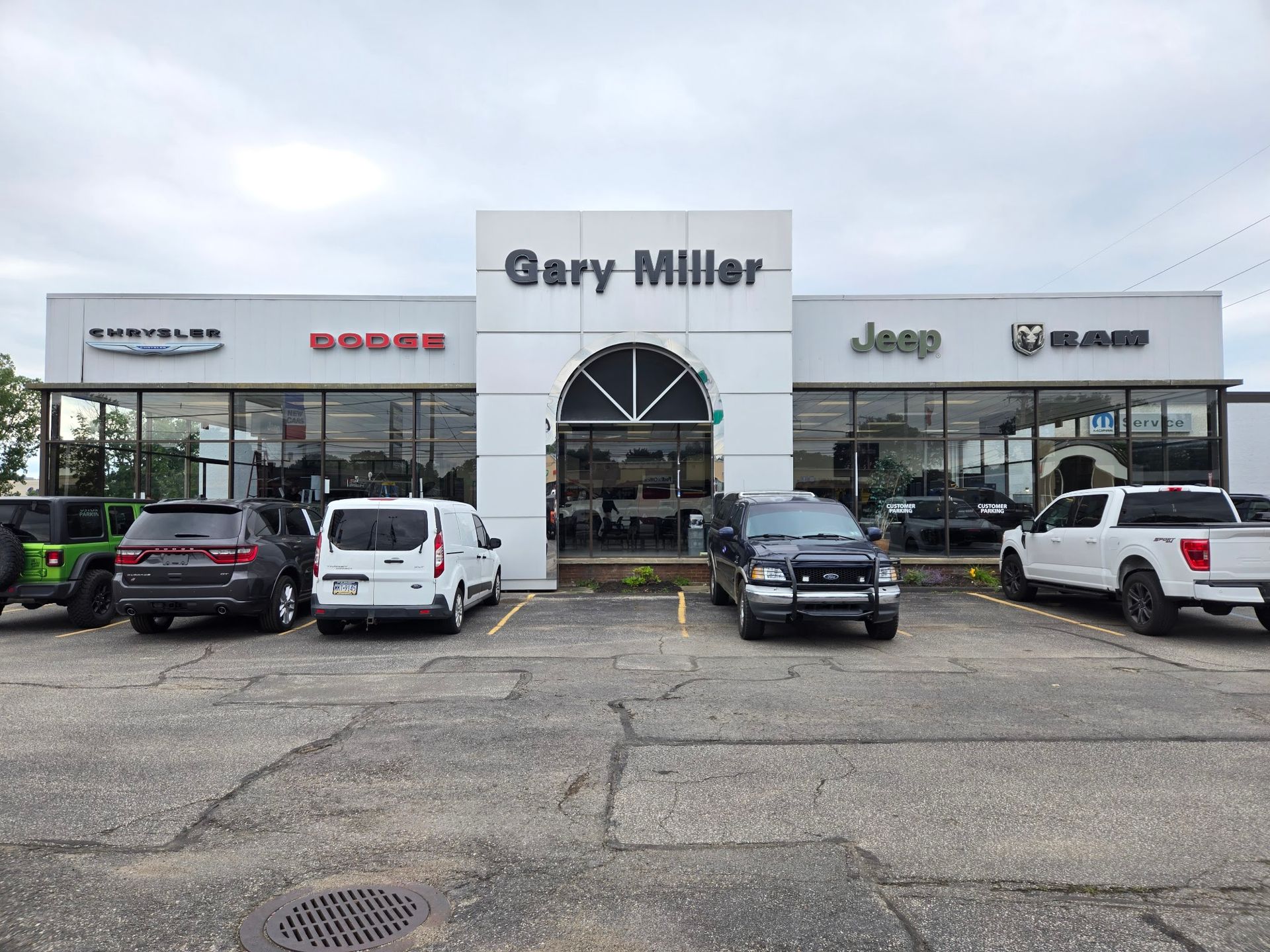
Gary Miller Chrysler dealership storefront in Erie, PA before commercial window film was installed

What a job this size actually involves

Here's the part people don't picture: tinting flat glass is mostly preparation. Every pane gets cleaned to a level that would be overkill on a house window, because commercial glass collects construction dust, hard water spots, and years of road film — and anything left behind will show through the film forever. From there it's cut, fit, wet, squeegee, and edge, one panel at a time, with ladders and scaffolding for the tall spans.

There's no shortcut on a building like this. It's just a lot of glass — nearly 2,200 square feet of it — done the same careful way over and over until it's finished. That's what five days on site looks like.
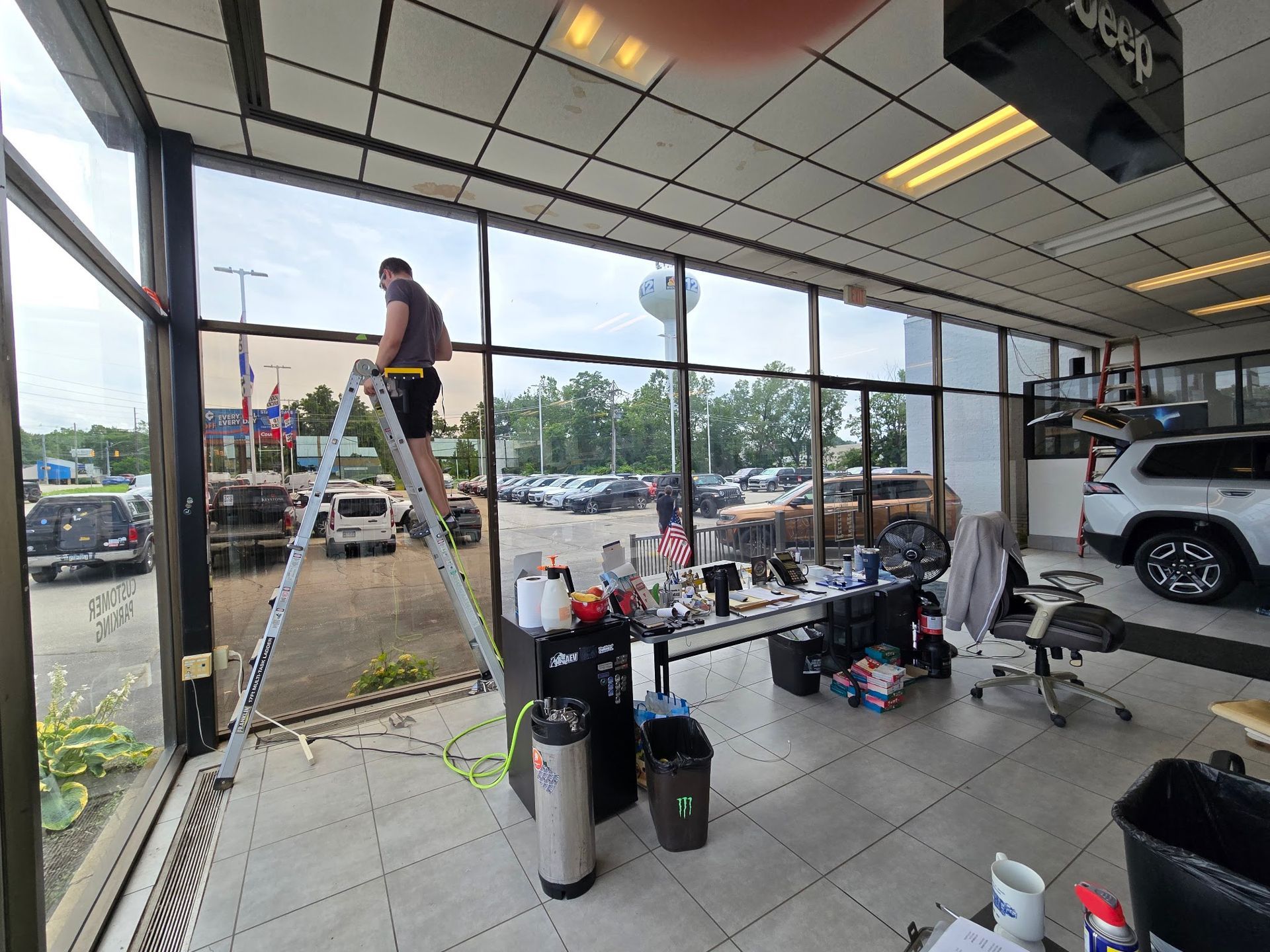
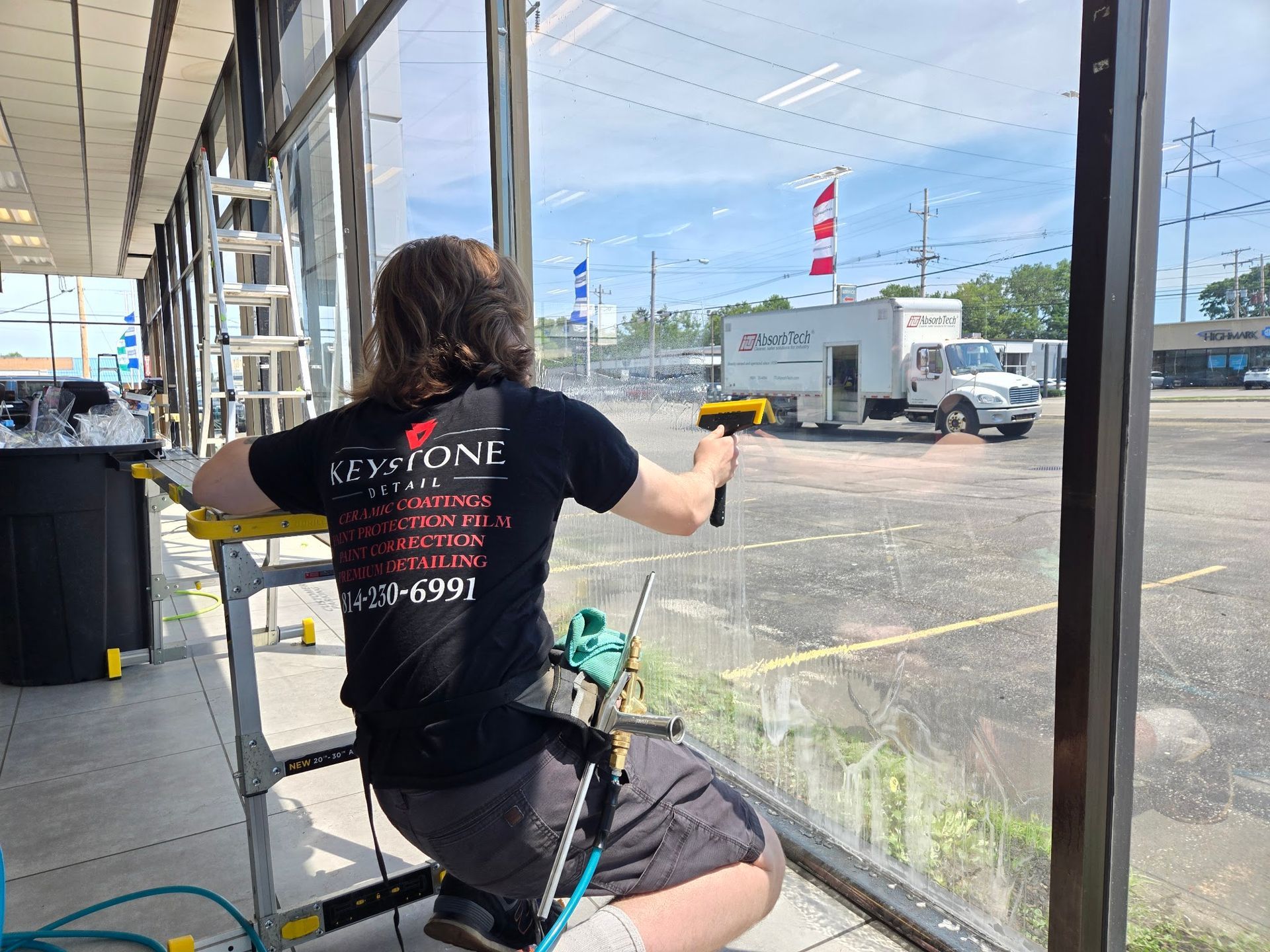
Keystone Detail installer on a ladder tinting showroom glass at an Erie, PA car dealershipKeystone Detail technician squeegeeing commercial window film onto dealership glass in Erie, PA

Working around a business that stays open

The other challenge with commercial work is that the business doesn't stop for us. For all five days, customers were still walking in and vehicles were still moving through the lot. So we staged the work in sections, kept our footprint tight, and cleaned up behind ourselves as we moved — the goal being that anyone coming in to shop for a Jeep that day barely noticed we were there.

That's the part we plan hardest for on commercial window tinting jobs, and it's why we walk through the schedule with a building owner before we ever bring film to the site.
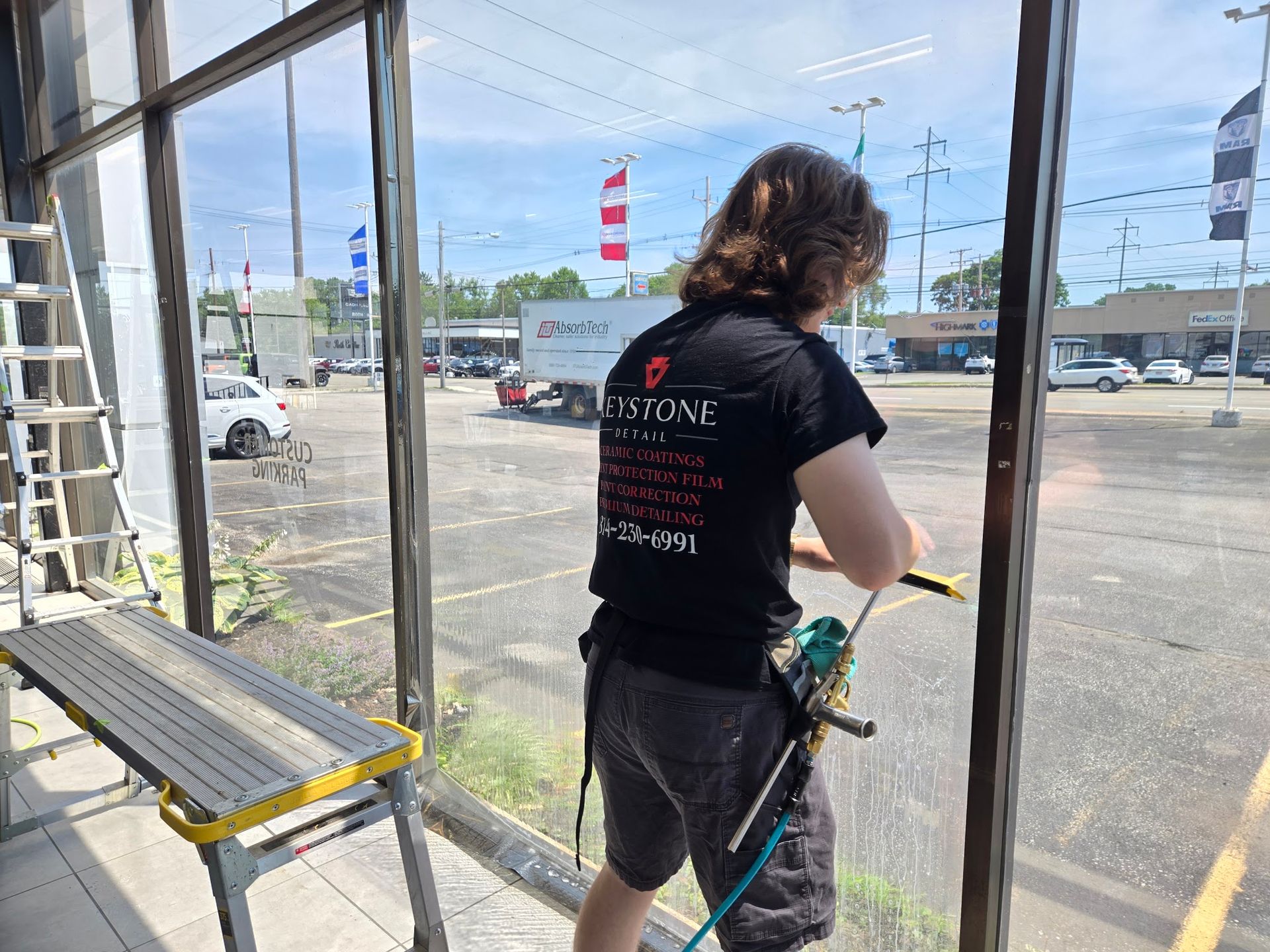
Technician installing flat glass window film on a tall pane at a dealership in Erie, PA

The result

The showroom is noticeably cooler and easier to be in, the glare is gone off the glass and the screens, and from the street the whole front reads as one clean, consistent surface instead of a patchwork of reflections. The inventory inside is still perfectly visible — which was the requirement from day one.
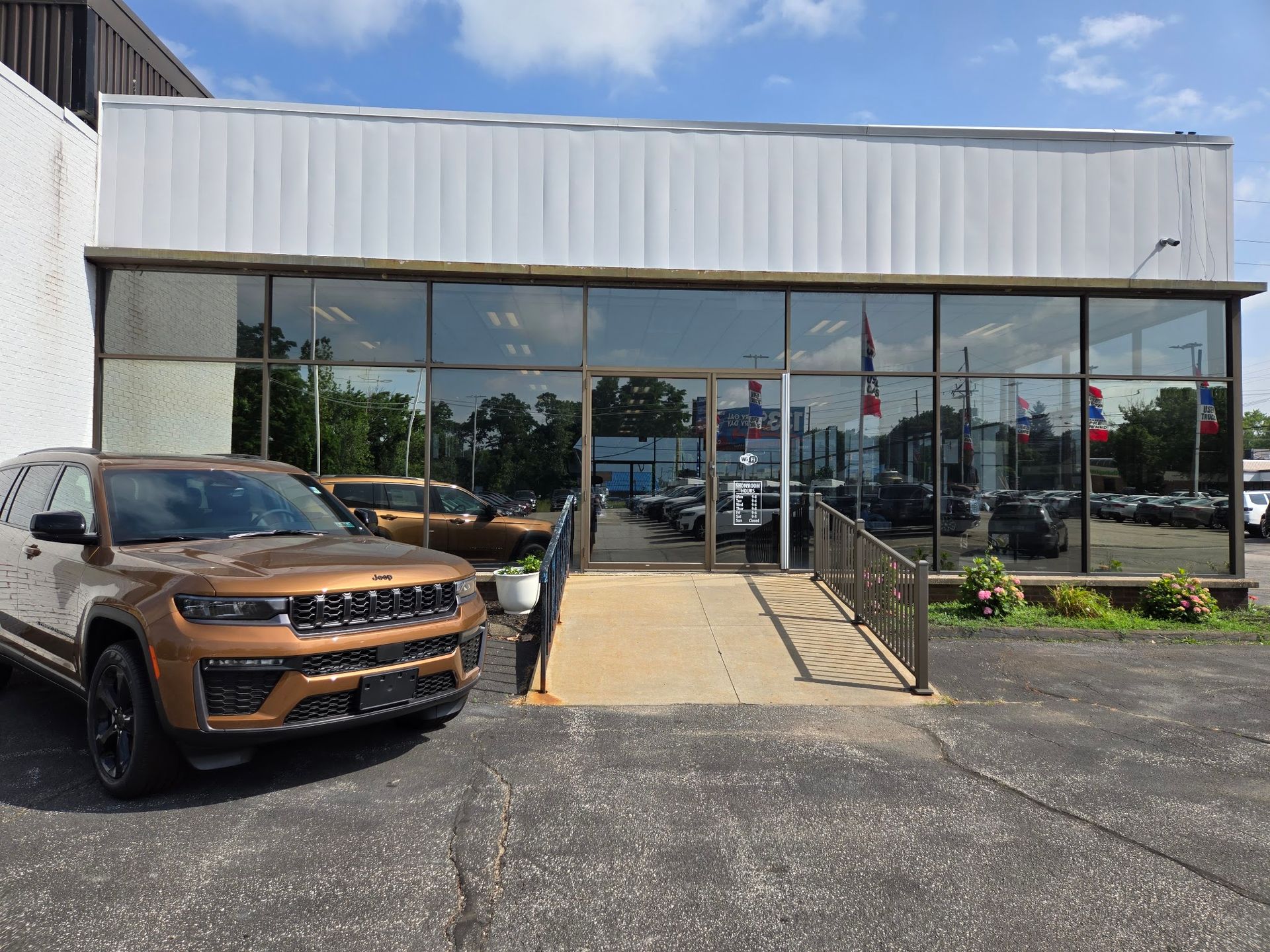
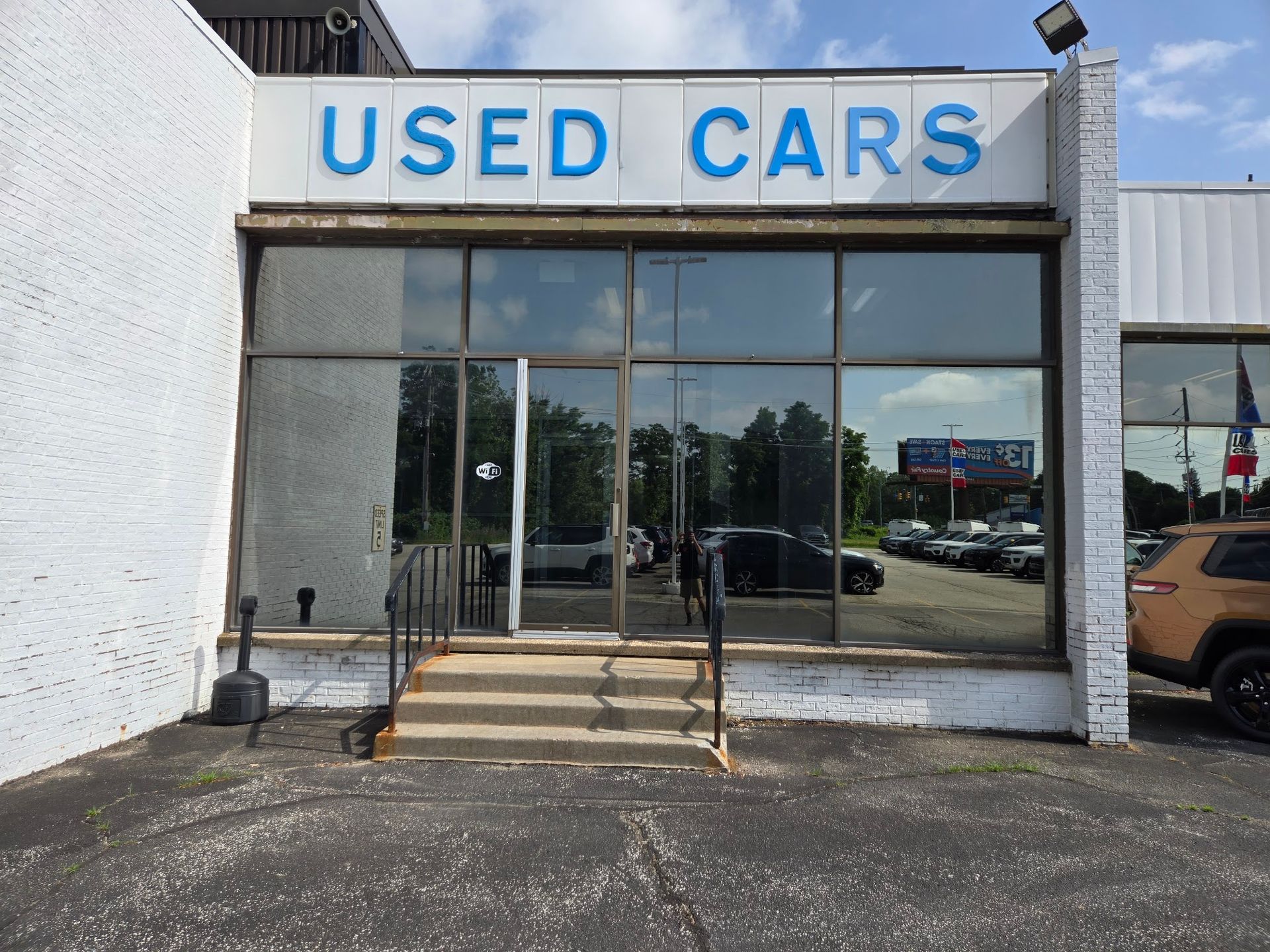
Finished showroom entrance with commercial window tint at Gary Miller Chrysler in Erie, PAUsed vehicle building with new commercial window film at a dealership in Erie, PA

Thinking about film for your building?

If you own a storefront, an office, a showroom, or anything else in Erie or Waterford with more glass than you'd like, this is work we're set up to do — and we do homes too. Same crew, same standards, just a bigger canvas. Reach out and we'll come look at the space and tell you honestly what film would and wouldn't do for it.
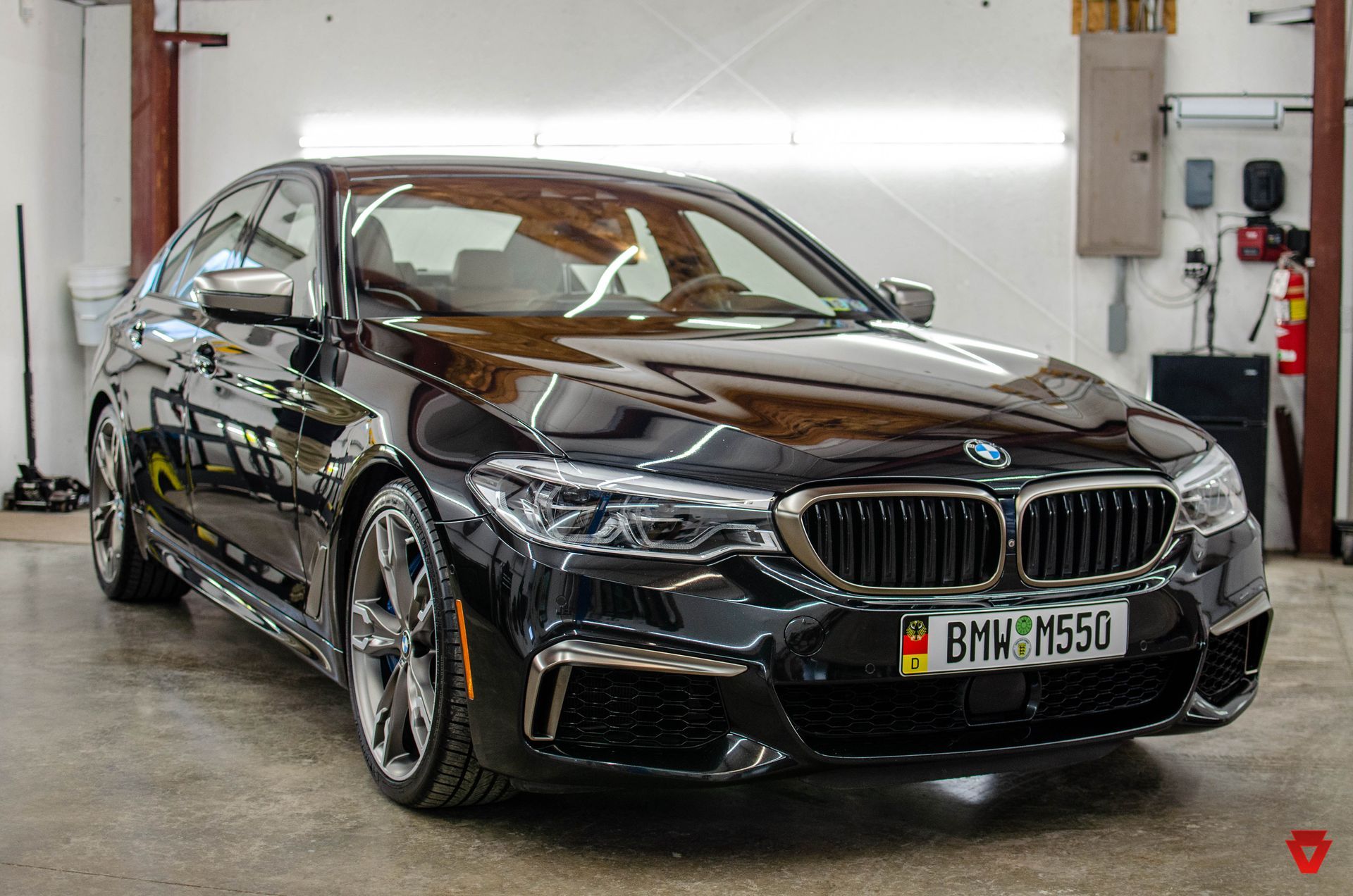
Glossy 2022 BMW M550i after a ceramic coating at Keystone Detail in Waterford, PA
By Cody Brace August 14, 2026
Ceramic coating, wax, or sealant — which really protects your paint and how long does each last? A straight comparison from Keystone Detail, Waterford & Erie, PA.
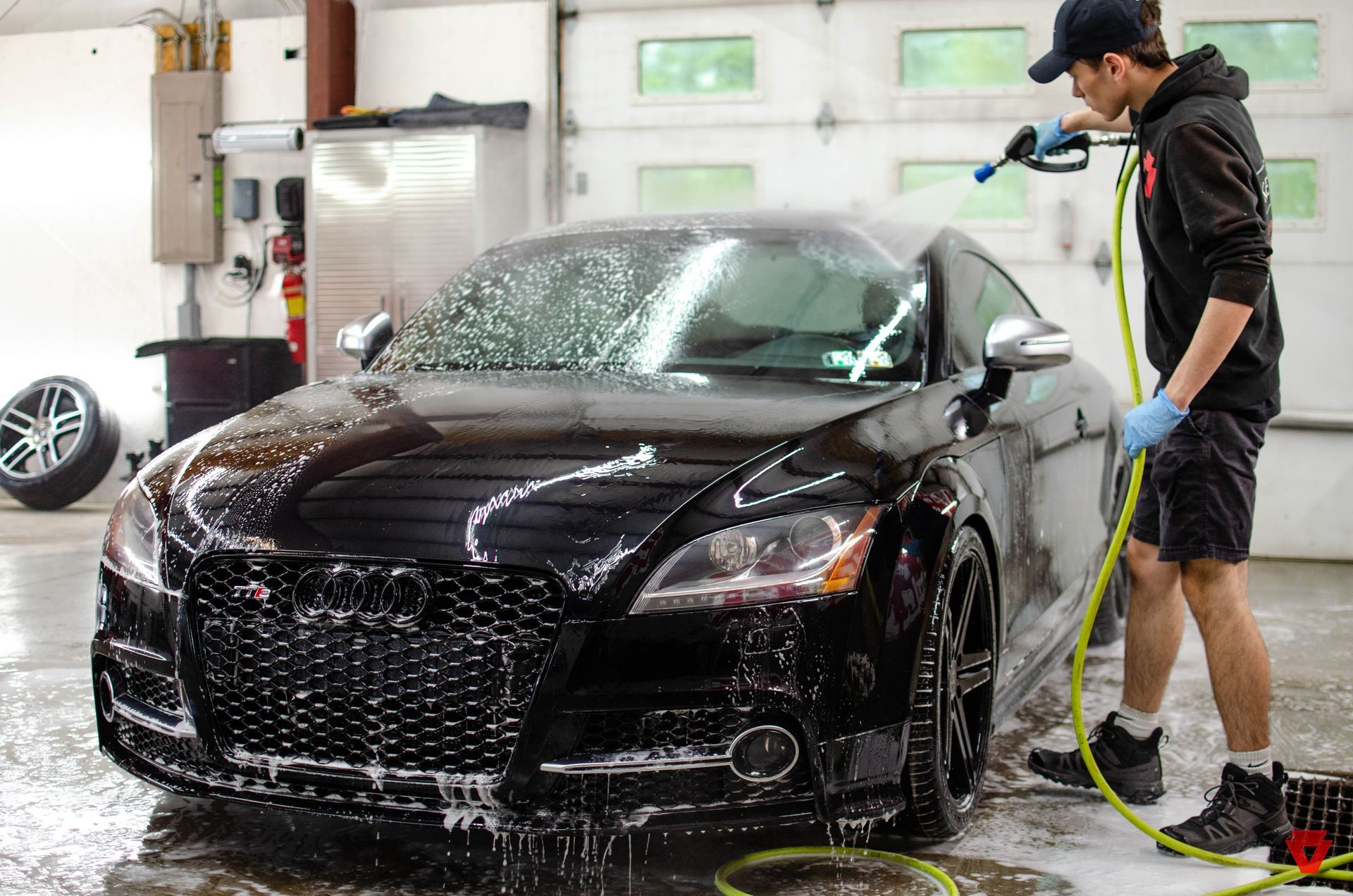
Glossy 2011 Audi TTs after professional paint correction and ceramic coating at Keystone Detail in Waterford, PA
By Cody Brace June 15, 2026
Paint correction removes swirl marks and scratches from your clear coat instead of hiding them — the foundation for any ceramic coating. Waterford & Erie, PA.
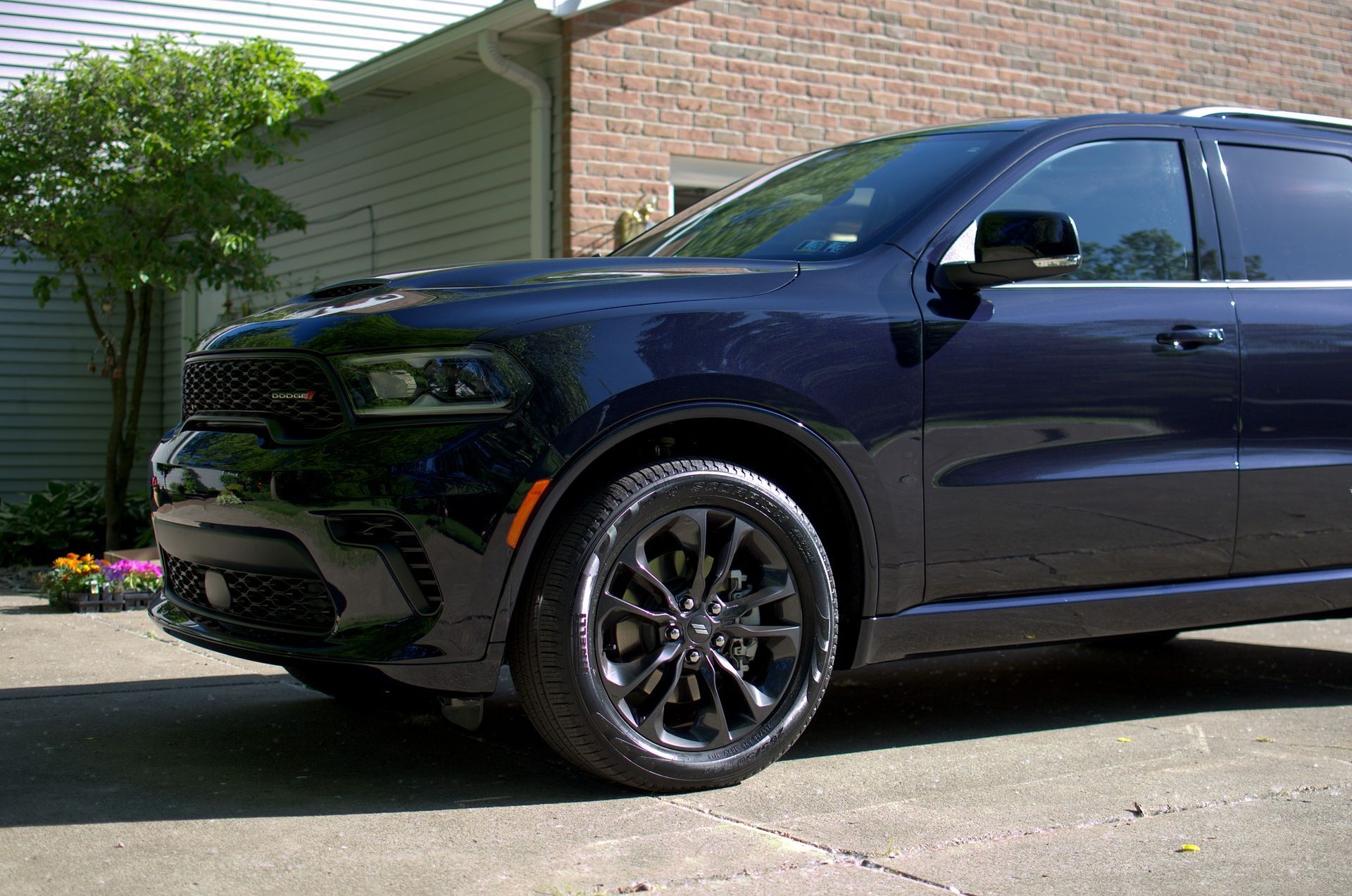
Glossy black Dodge Durango, freshly detailed and show-ready, in the Keystone Detail lot in Waterford & Erie, PA
By Cody Brace June 11, 2026
Getting your car show-ready in Waterford & Erie — plus the Cruise-In we're hosting June 14
Subaru Forester with 70% ceramic window tint completed at Keystone Detail in Waterford, PA
By Cody Brace June 6, 2026
How window tint keeps your car cooler and protects your interior from the summer sun in Waterford and Erie, PA — plus ceramic vs. standard film, explained.
GMC Yukon AT4 with tuxedo wrap by Keystone Detail in Waterford, PA
By Cody Brace May 7, 2026
Danielle wanted her Yukon AT4 to stand out. We gave it a full tuxedo wrap with black PPF and vinyl at our Waterford, PA shop. See the results.
By Isaac Melnick February 5, 2026
January Edition Keep up with the happenings here at Keystone Detail!
4 Finished Vehicles in front of Keystone Detail. Subaru WRX, Mustang GT, Dodge Challenger
December 19, 2025
December Edition Keep up with the happenings here at Keystone Detail!
By Cody Brace October 15, 2024
The world of window tinting is shrouded in several myths, leaving many car enthusiasts unsure about its true value. These misconceptions can cloud judgment, causing hesitation or even leading to uninformed decisions that might affect your vehicle's appearance and adherence to local laws. From thinking window tint is solely for aesthetic purposes to assuming it's only applicable to cars, there's a lot that people get wrong. The top myths about window tinting include beliefs such as it is only for cars, it makes windows overly reflective, and it serves no practical purpose. In reality, window tinting offers extensive benefits such as energy savings, UV protection, and enhanced comfort in homes and offices, making it a versatile solution beyond mere aesthetics. Common Myths Surrounding Window Tinting Myth 1: Window Tinting is Only for Cars: It’s easy to think that window tinting is an automotive-only phenomenon, but this assumption couldn’t be further from the truth. Many individuals and businesses have discovered the benefits of applying window films in their homes and workplaces as well. For example, think about a sunny afternoon spent working at a computer; without proper sun control, glare can make it difficult to focus. By installing window film, a home office or conference room can transform into a comfortable space with reduced glare and increased privacy. Myth 2: Window Tinting Makes Driving at Night More Difficult: Many believe that tinted windows make it harder to see at night due to increased reflectivity or darkness. However, modern window tints are designed to balance visibility and privacy, ensuring clear sightlines at night without glare or reflection issues. High-quality automotive tints allow drivers to maintain excellent vision in low-light conditions while still benefiting from reduced daytime glare and UV protection. Myth 3: Window Tinting is Just for Aesthetics: While tinted windows can undeniably enhance a vehicle’s look, the benefits extend far beyond aesthetics. Quality tints provide critical UV protection, shielding the interior from fading and damage while reducing heat buildup in the cabin. This translates into a more comfortable driving experience, less strain on the air conditioning system, and even potential fuel savings, making it a practical investment. Myth 4: All Window Tinting Films are the Same: Some may think all window tinting films perform similarly, but this is far from true. Advancements in technology have led to a wide range of tints with varying levels of heat rejection, UV protection, and durability. High-performance films can block up to 99% of harmful UV rays and significantly reduce interior heat, providing superior protection and comfort for drivers, passengers, and the vehicle itself.  Understanding the truths behind these misconceptions sets the stage for exploring the regulatory framework governing window tinting options available to consumers.
More Posts