Bumper, Hood or the Whole Car? Picking the Right PPF Coverage in Waterford & Erie, PA
Rock chips land in the same places on almost every vehicle. Here's how to match the film to them.
Most people who call us about paint protection film have already decided they want it. The part that takes a real conversation is how much of the vehicle it should cover.
That's a fair thing to be unsure about. PPF is a real investment, and nobody wants to pay to protect a roof that never sees a rock. The good news is that rock chips aren't random. They land in the same places on almost every vehicle, and once you know where, picking the right coverage gets a lot simpler.
Where the damage actually happens
Rock chips come from the vehicle in front of you. Gravel off a dump truck's tires on Route 19, the grit that goes down with the salt every winter, whatever a semi kicks up at highway speed on I-90 or I-79. Nearly all of it hits the leading edges first: the front bumper, the front of the hood, the mirrors and the front corners of the fenders.
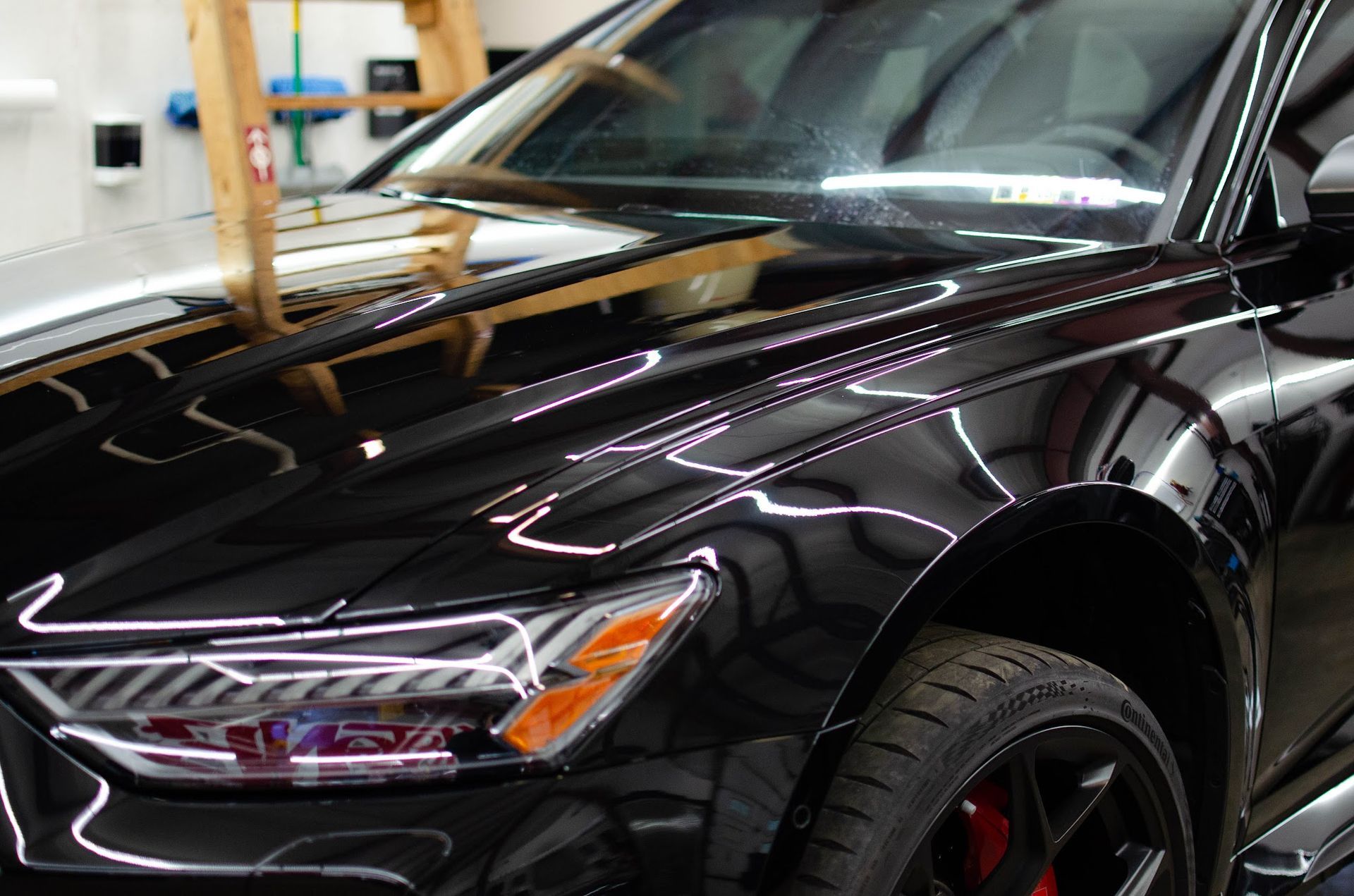
Behind that, the rocker panels take what your own front tires throw back. The roof, the doors and the back half of the vehicle see far less of it. That's why PPF coverage is built from the front of the vehicle backward.
Just a bumper or a hood
The smallest step is protecting a single panel. We do those too — a front bumper on a truck that spends time on gravel roads, a hood on a car whose owner can't stand the look of a peppered nose. It makes sense when one panel is clearly taking the abuse and that's where you want to put the money.
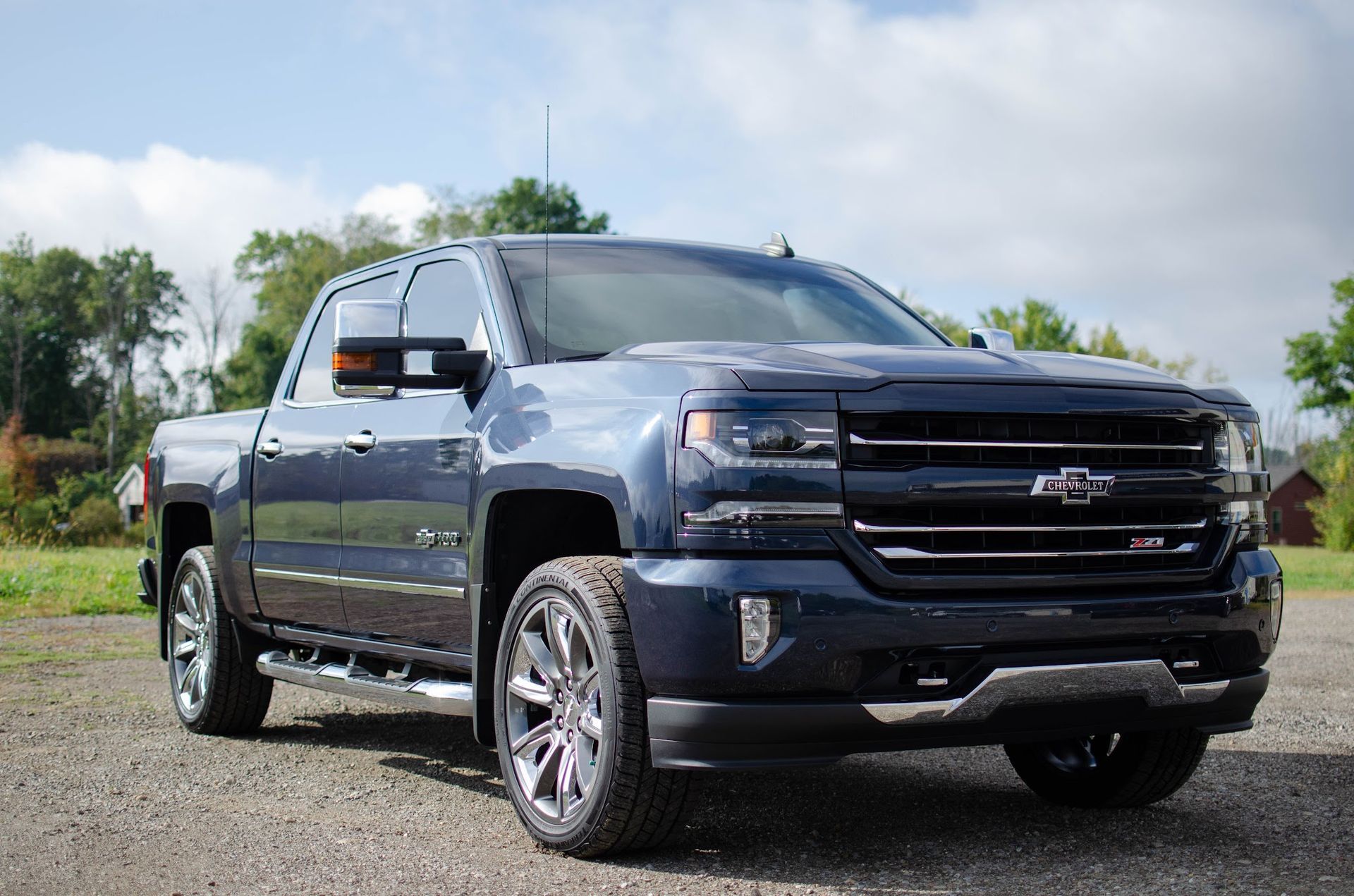
The tradeoff is what's left open next to it. A clean bumper beside a chipped fender is easy to notice, and the mirrors and fenders take hits too.
Full Front
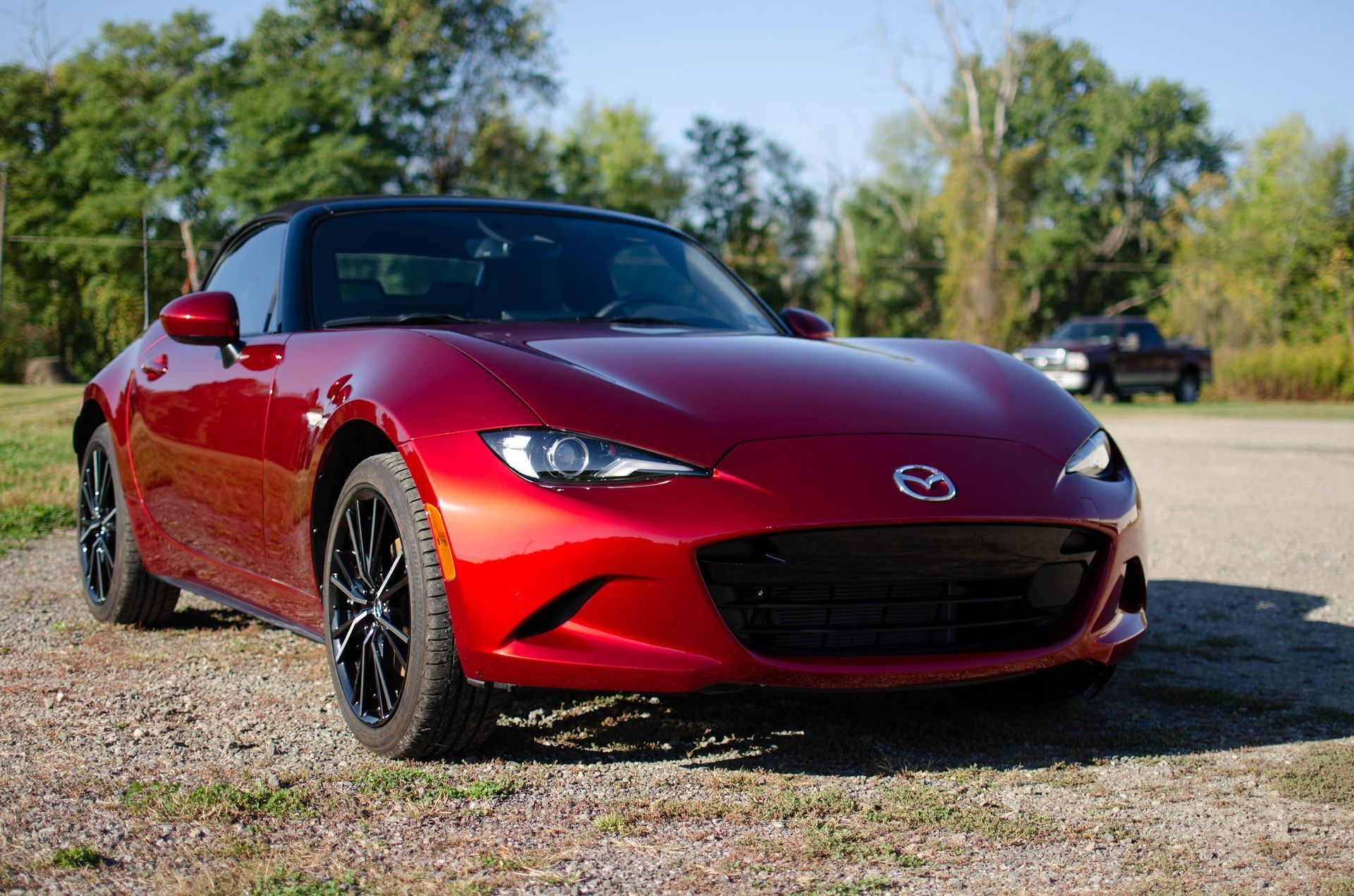
Our Full Front package covers the front bumper, the full hood, the mirrors and the full front fenders. That lines up with where most chips land, so it's the natural place to start.
Every one of our packages covers the full hood rather than stopping partway up, so there's no film edge sitting across the middle of it.
Highway Package
The Highway Package takes everything in Full Front and adds the rocker panels, the A pillars and the roof edge. Those are the spots that start to show wear once a vehicle racks up real highway miles — the rockers from tire spray and road grit, the A pillars and the leading edge of the roof from everything coming over the hood at speed.
If you're commuting into Erie every day, or the vehicle spends most of its life on the interstate, this is the coverage that matches how it's actually driven.
Full Vehicle
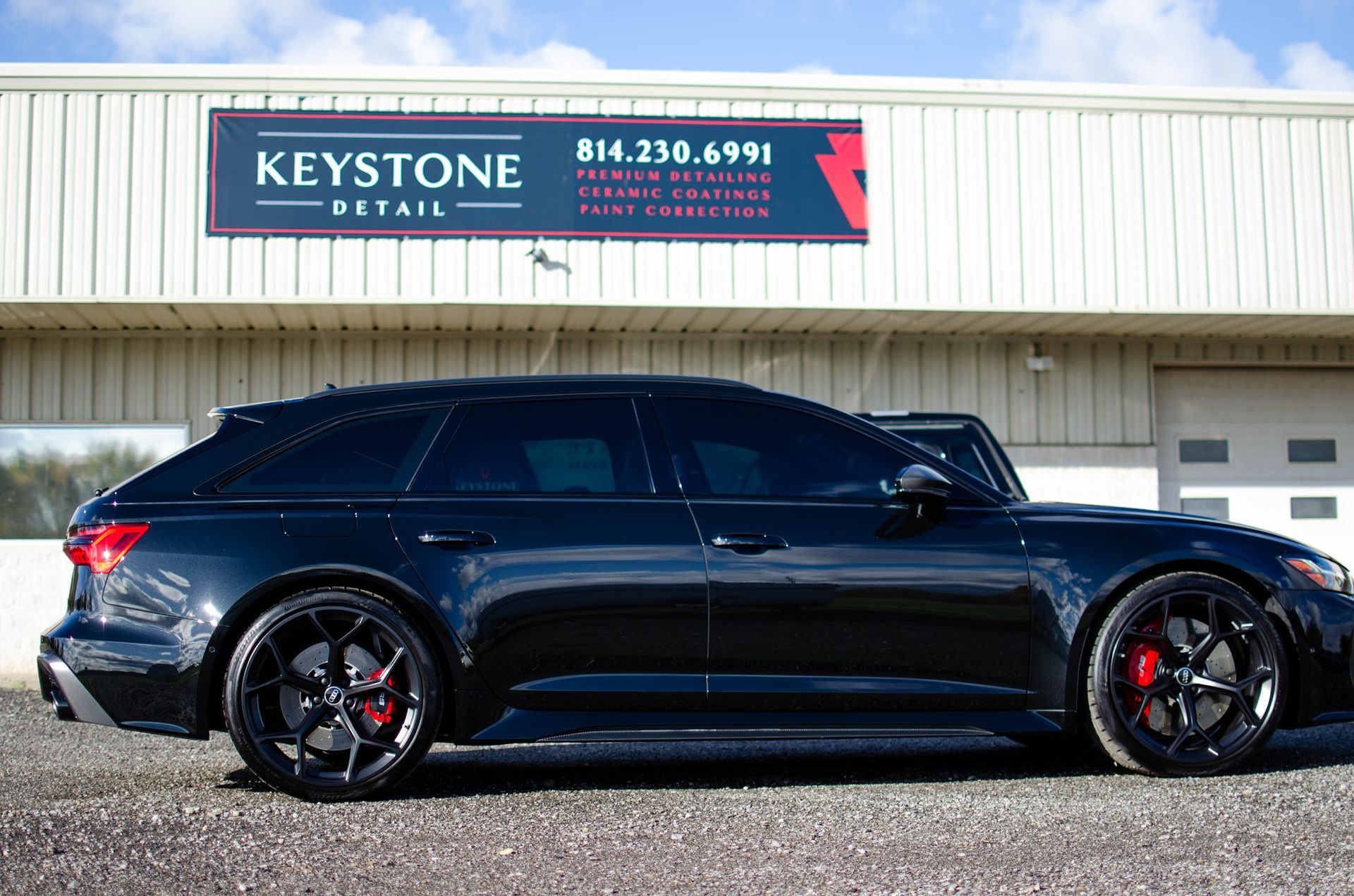
Full Vehicle is exactly what it sounds like: front and rear bumpers, hood, mirrors, front and rear fenders, rockers, all of the doors, the trunk, the roof and the A pillars.
That's more than rock chips. It's door dings in parking lots, scuffs from loading the trunk, bird droppings and bug guts that would otherwise etch the clear coat. It's the right call when you plan to keep the vehicle for a long time, when the paint itself is a big part of why you bought it, or when you simply don't want to think about it again.
Film goes on top of whatever's there
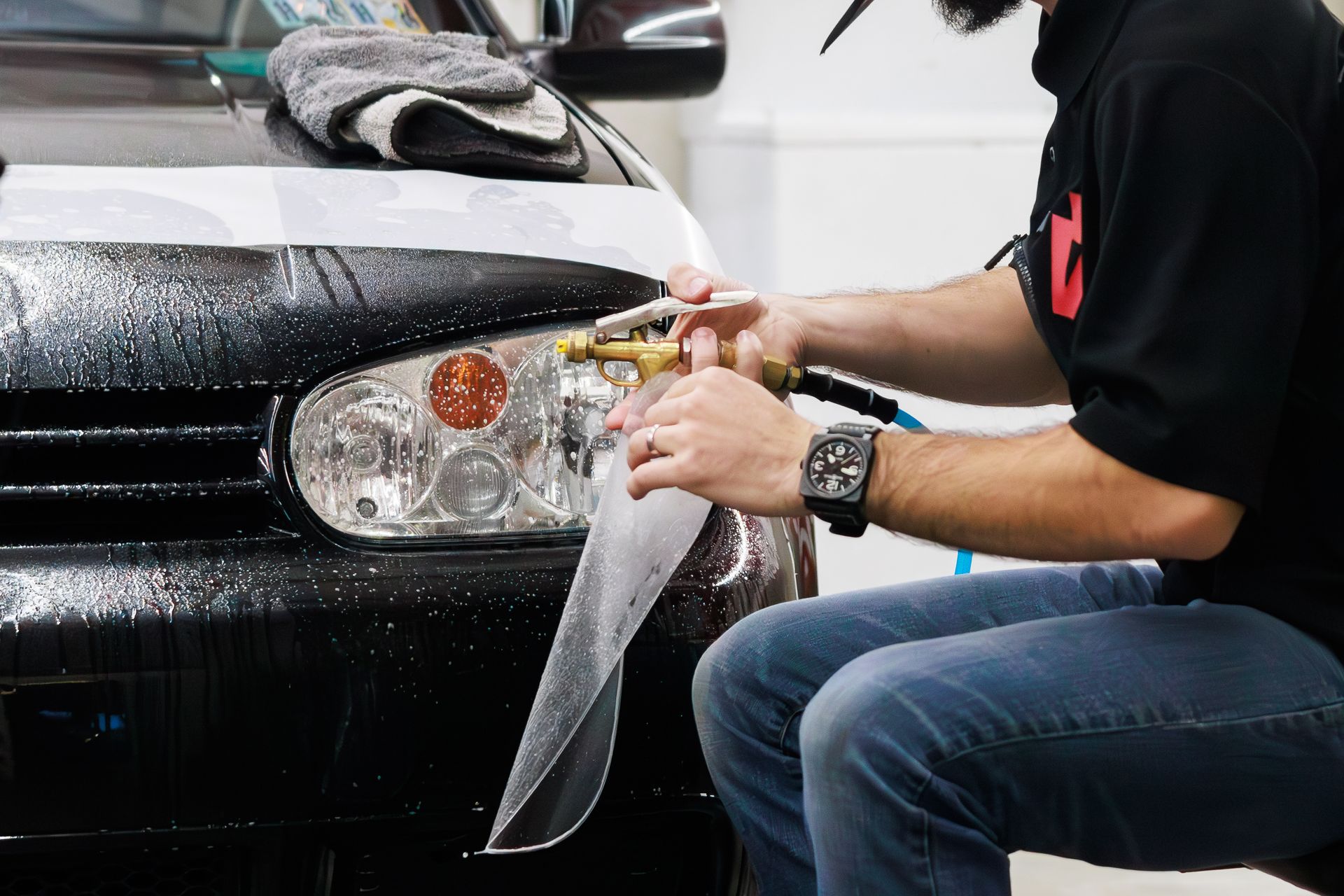
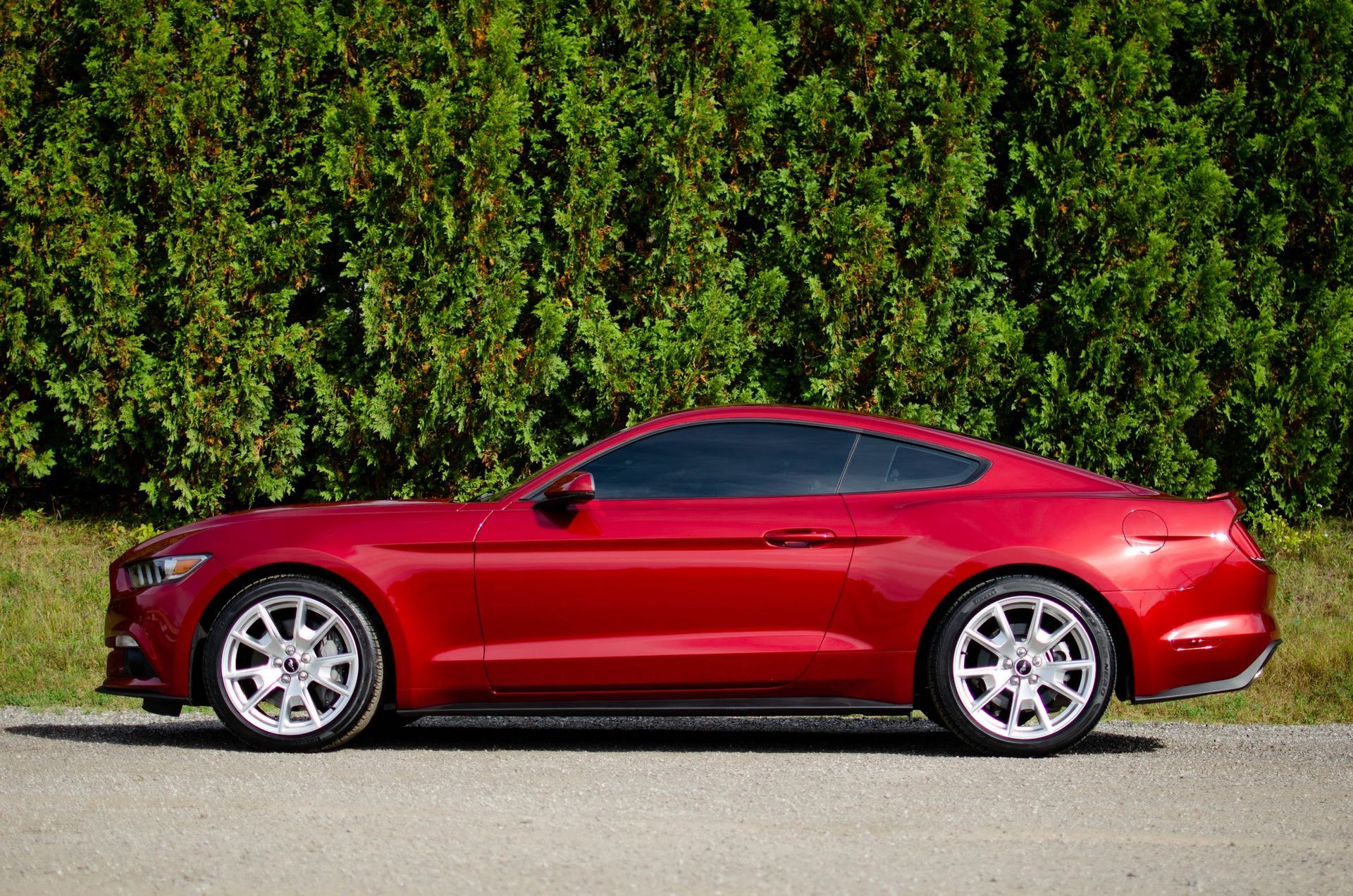
One thing worth knowing before you book: PPF protects the paint underneath it exactly as it is. If there are already swirls, scratches or chips on a used vehicle, the film seals them in. That's why used vehicles usually need paint correction first, and why even brand-new vehicles get a close inspection before we start. Dealer-fresh paint isn't always as perfect as it looks.
How to pick
A few questions get most people to the right answer. How many highway miles do you put on in a year? How long are you planning to keep it? Do you drive gravel or construction roads? And how would you feel about a chip on a door versus a chip on the hood?
If you're still not sure, tell us how you drive and what the vehicle is, and we'll tell you honestly where the film earns its keep on it — including when a smaller package is all you need.