| Protected
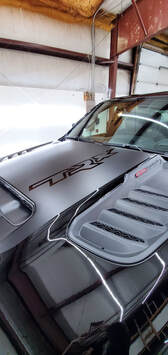
|
Unprotected
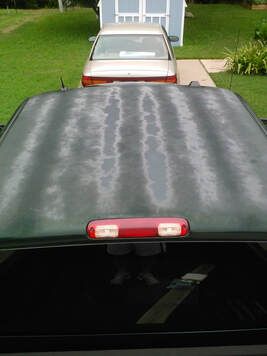
|
The short answer to this question regarding your vehicle is a resounding “yes.” Cars both new and old should all have one form of paint protection or another.
Beyond keeping your cars’ paint looking fresh and shiny, paint protection also serves other purposes. With the clear coat finish on your car measuring anywhere from 1.5 to 2 microns thick, it becomes easy to see how little it would take to scratch or micromar the surface leaving marks on your vehicle.
For people who choose to forgo protecting their vehicles, the paint can, over time, experience fading, cracking, and the overall failure of the clear coat. Have you ever seen a car's roof that looks dull and may be chipping away? That is from a lack of protection mainly but could also be because it’s also only parked outside, could be in a hotter part of the world such as Florida, or has not been regularly washed and maintained.
The good news is there is no one-size-fits-all solution to protecting your vehicle's paint. There are several options to choose from; these include sealant, wax, and ceramic coating for your car.
Regardless of which type of paint protection you believe is the right option for you, protecting the value of your car is important. Even if you can live with seeing dull paint, or a couple of minor scrapes and scratches on your car, it will certainly reduce the price you can get when it comes time to sell your ride.
Apart from just protecting the resale value and the overall look of the vehicle in general, protecting your car's paint will create less stress for you in the long run and keep your ride looking it’s best. By choosing to use one of the methods mentioned above to protect your vehicle, cleaning your car becomes less of a chore as well.
Waxes and sealants create a protective layer above the clearcoat, while a properly applied Ceramic Coating will create a bond with the clear coat that becomes incredibly durable. No matter what method you choose, dirt, mud, and debris all become much easier to clean off the car once paint protection is applied because there will be a protective layer between your paint and the external elements that will come in contact with your vehicle.
Those options provide a different way to achieve the same goal: keeping your vehicle safe from the elements and maintaining an easy to clean surface. When choosing which of the various methods of protecting your vehicle you want to use, consider all factors such as initial cost, time and frequency required, protection duration, and shine and gloss . If you have any questions about what option is best for you or maybe don’t feel like giving your vehicle the precious protection and maintenance it regularly deserves we would be happy to help fill that need.
Why not give us a call today to put a plan in place for your vehicle and situation specifically? We’d love to hear from you! We can be reached at 814-230-6991.
Pennsylvania limits how dark your tint can be, and the rule is different for cars than for trucks and SUVs. What's legal in Erie and Waterford, PA, explained.
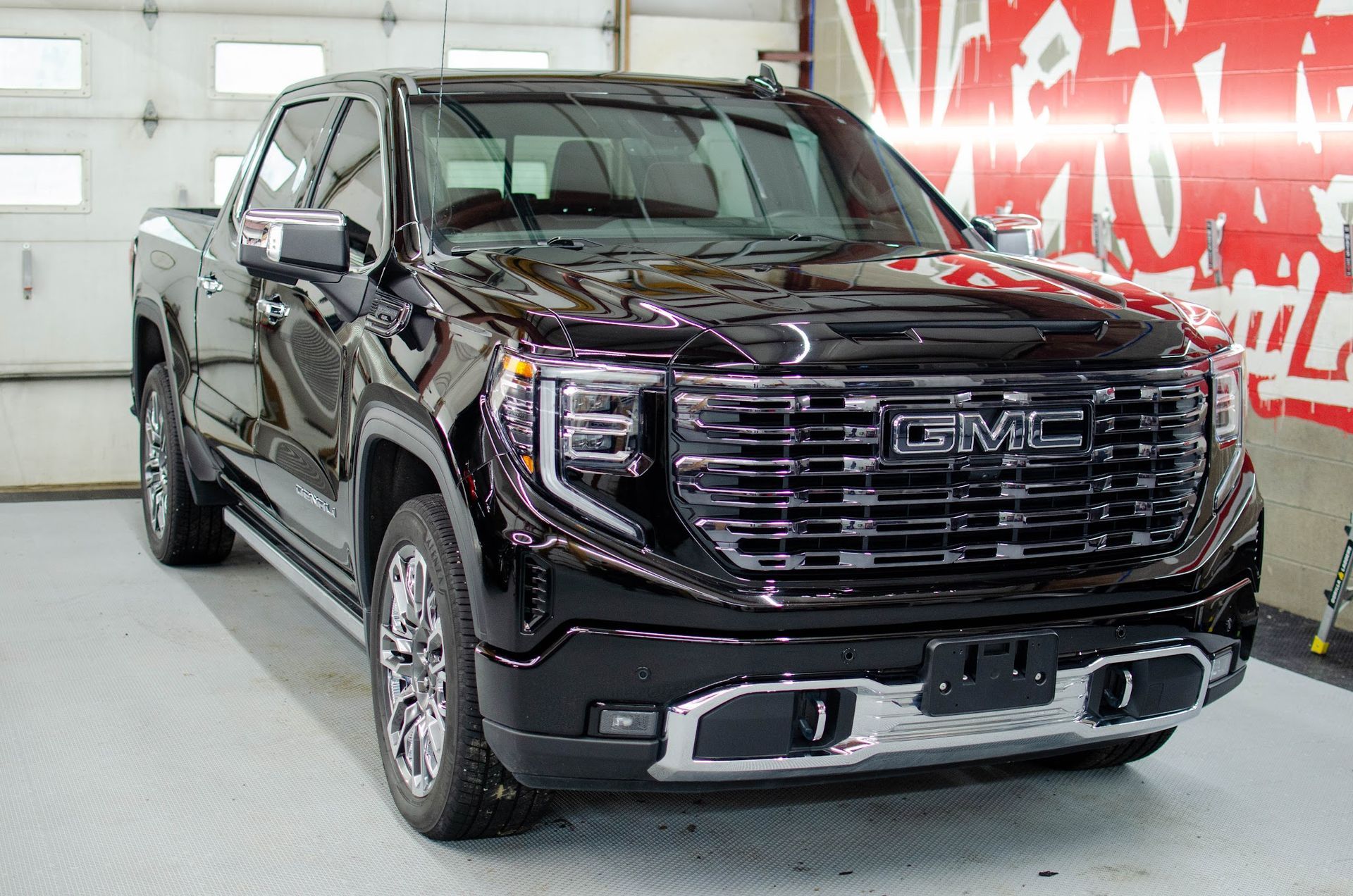
Road salt holds moisture against your paint all winter. What it does to a vehicle in Waterford and Erie, PA - and what's worth doing before the plows run.
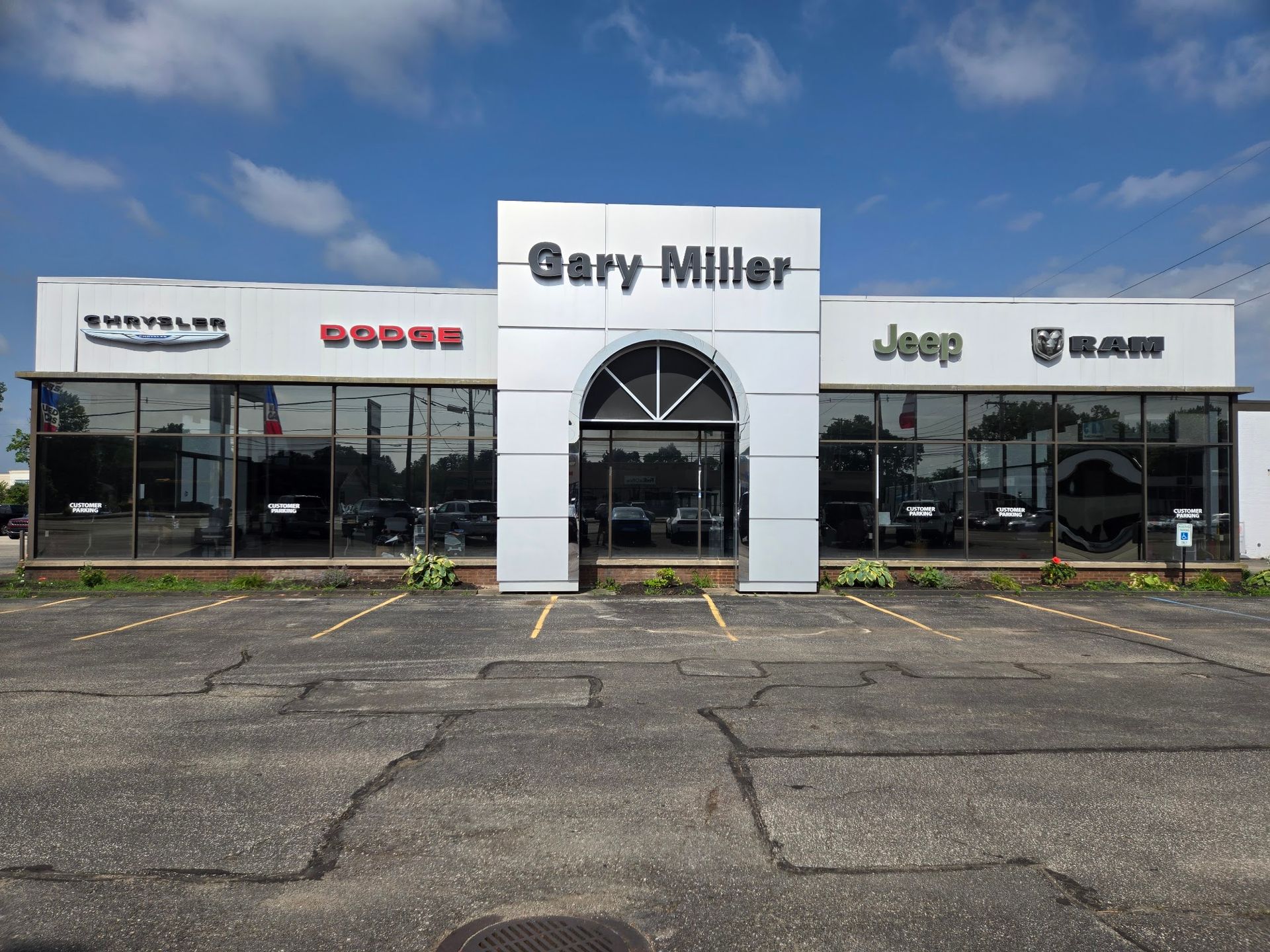
We tinted nearly 2,200 sq ft of glass across Gary Miller Chrysler's buildings in Erie, PA — what a five-day commercial flat glass window tint job actually involves.
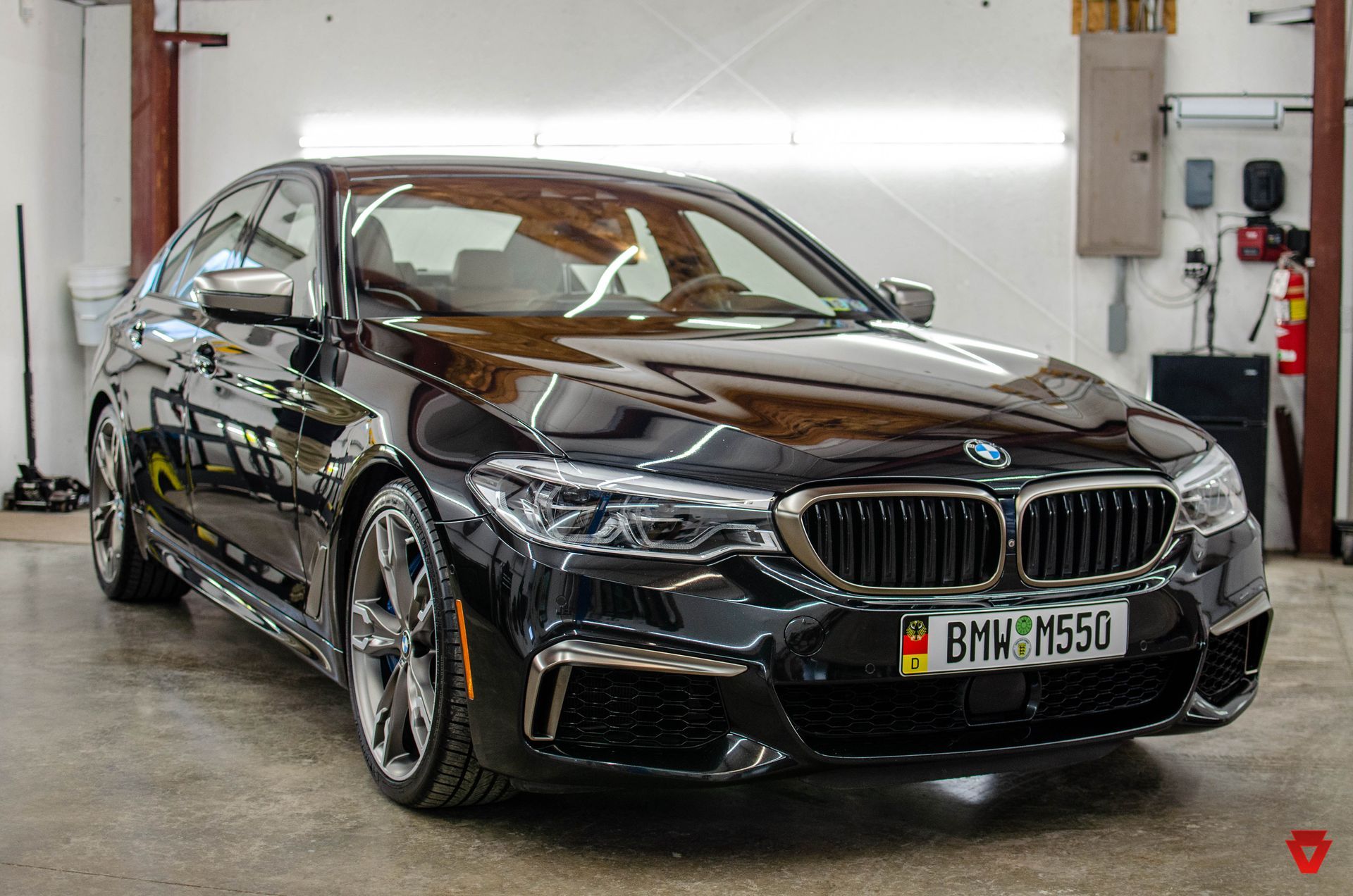
Ceramic coating, wax, or sealant — which really protects your paint and how long does each last? A straight comparison from Keystone Detail, Waterford & Erie, PA.
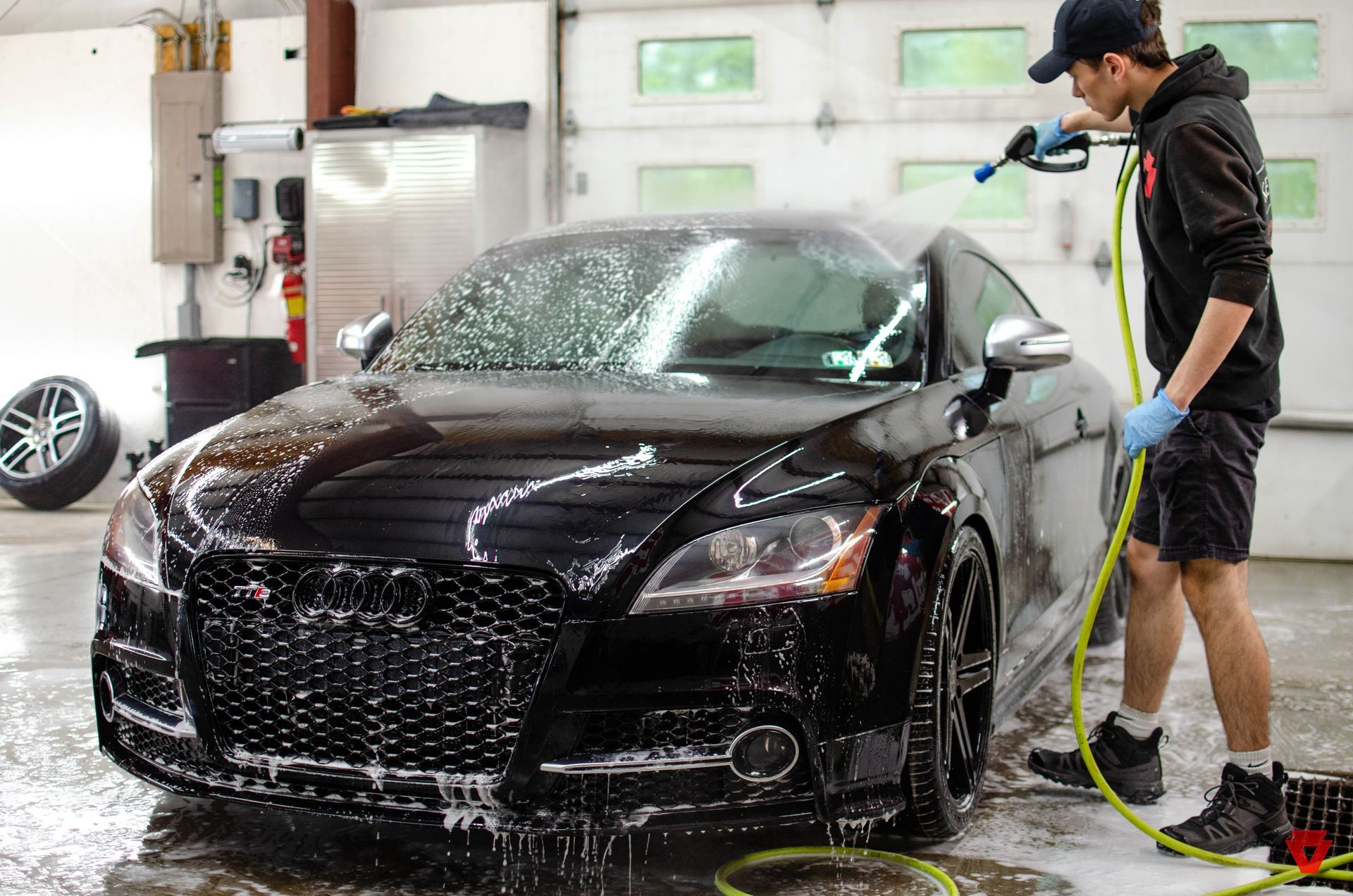
Paint correction removes swirl marks and scratches from your clear coat instead of hiding them — the foundation for any ceramic coating. Waterford & Erie, PA.
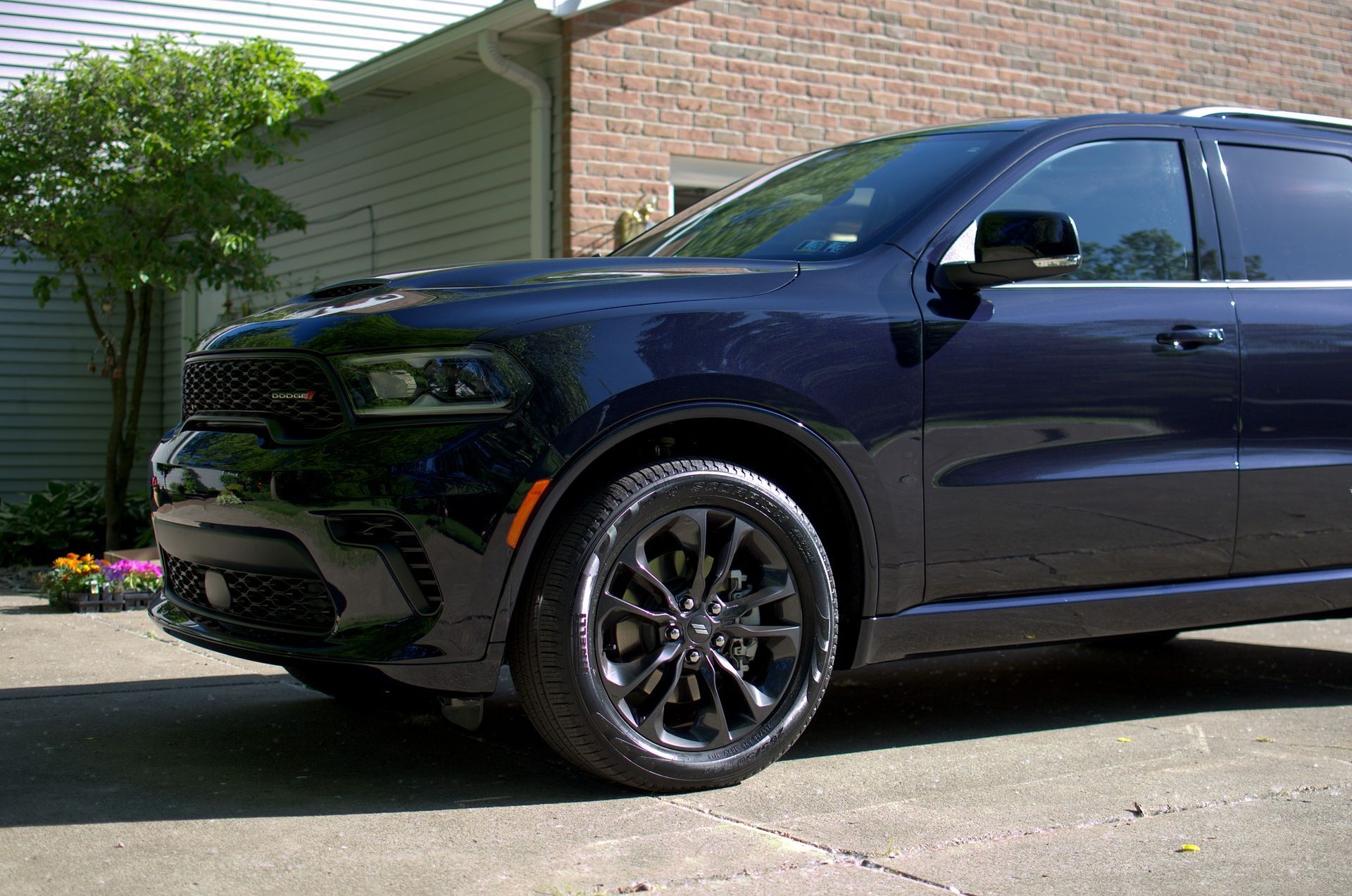
Getting your car show-ready in Waterford & Erie — plus the Cruise-In we're hosting June 14
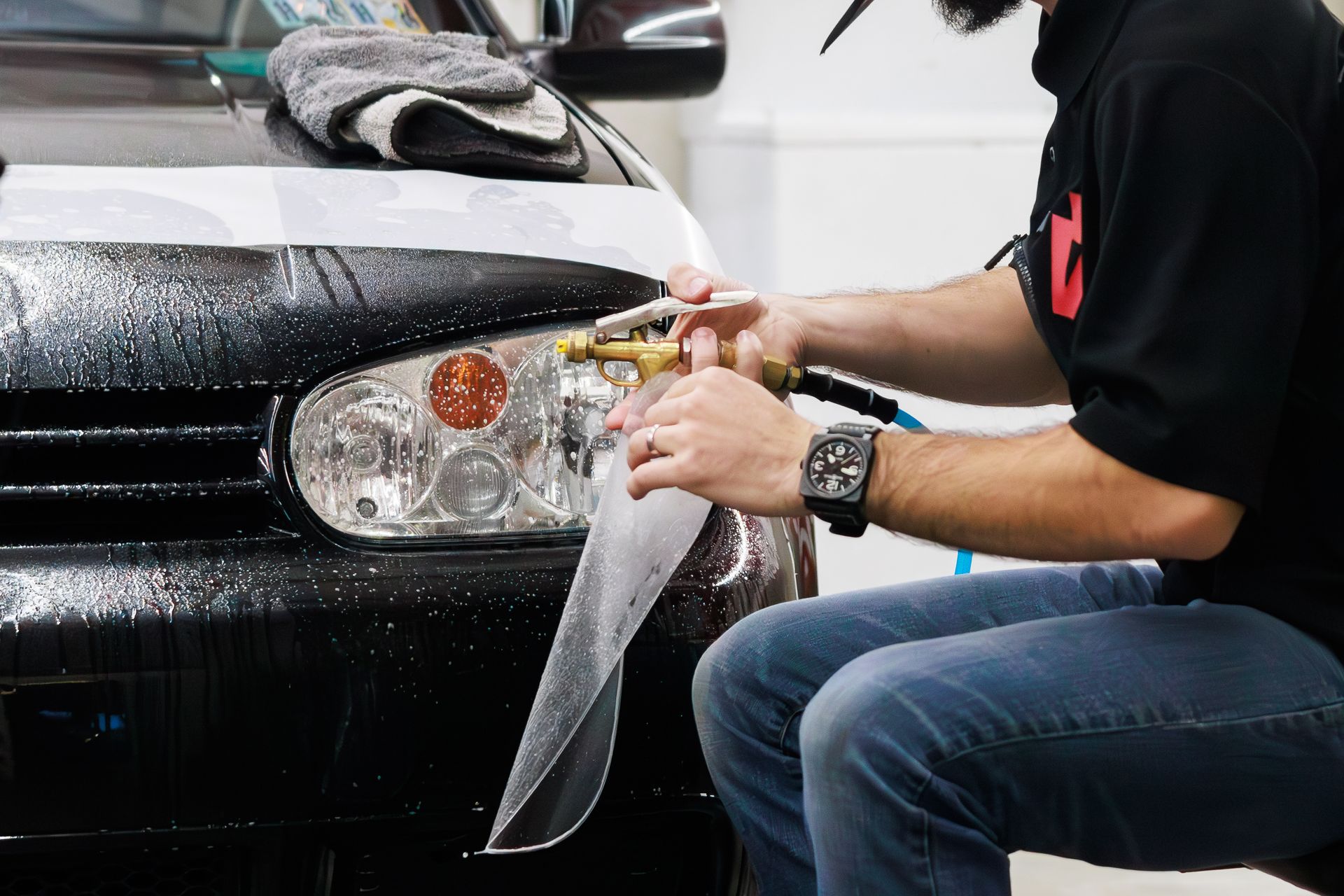

How window tint keeps your car cooler and protects your interior from the summer sun in Waterford and Erie, PA — plus ceramic vs. standard film, explained.
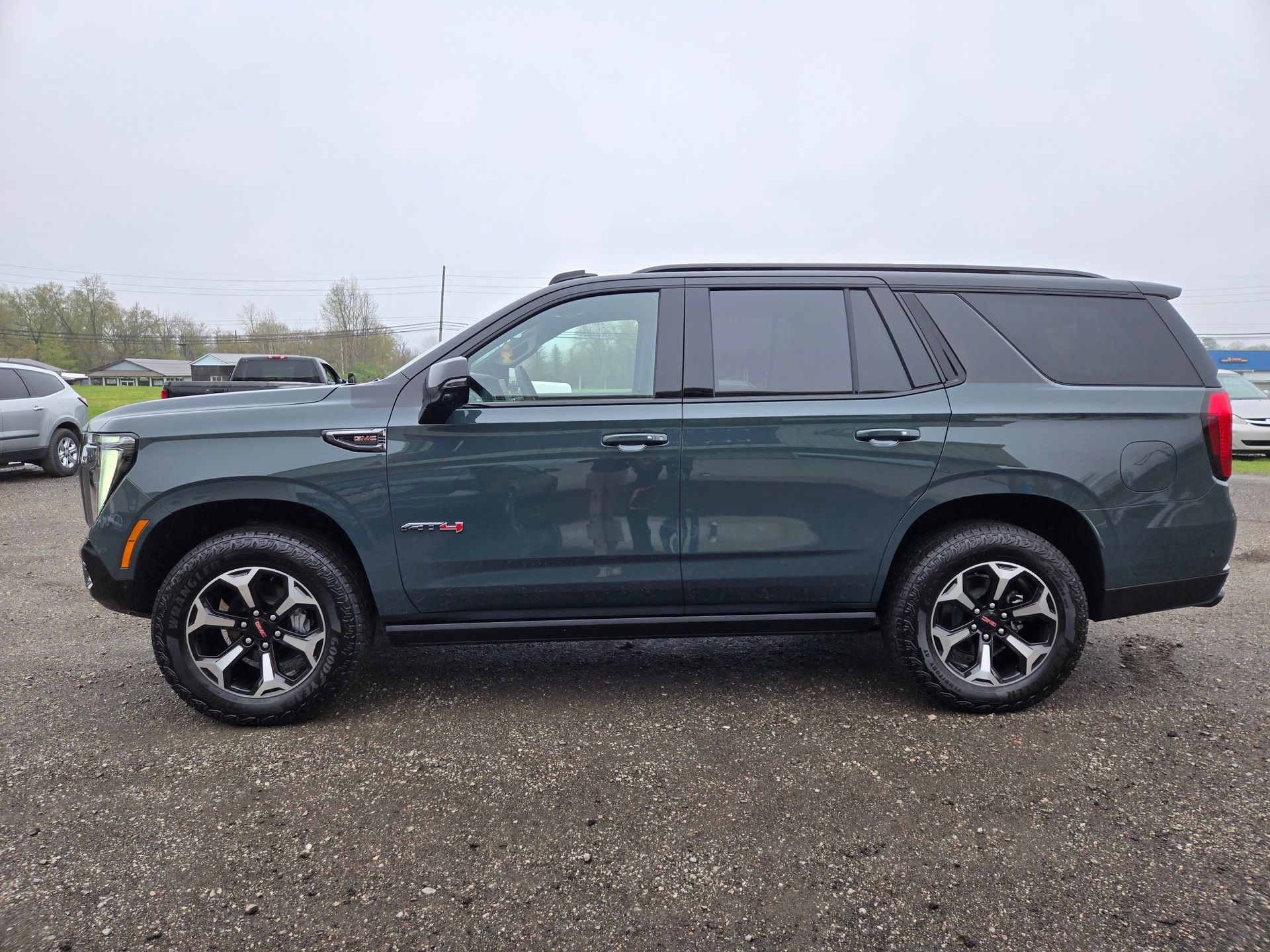
Danielle wanted her Yukon AT4 to stand out. We gave it a full tuxedo wrap with black PPF and vinyl at our Waterford, PA shop. See the results.
